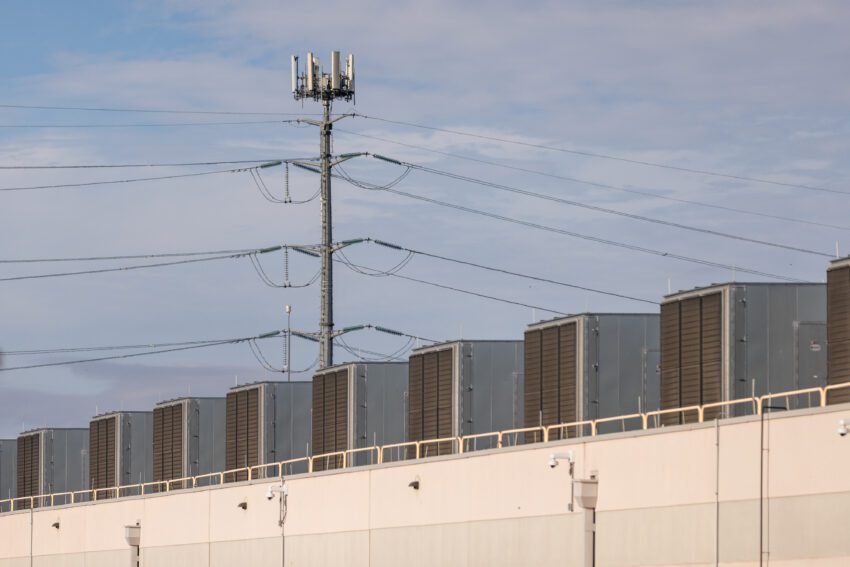
trump and mid-atlantic governors want tech companies The Trump administration, alongside a bipartisan coalition of Mid-Atlantic governors, is advocating for a significant shift in how electricity is procured and managed in the region, particularly in light of the growing demand from data centers and other tech companies.
trump and mid-atlantic governors want tech companies
Background on the Proposal
The PJM Interconnection, which oversees the largest electricity market in the United States, is at the center of this initiative. The organization manages the electrical grid across 13 states and the District of Columbia, serving over 65 million people. As the demand for electricity continues to rise, particularly from data centers that support cloud computing and artificial intelligence, the existing infrastructure is under increasing strain.
The governors and the Trump administration are calling for PJM to conduct an “emergency” auction. This auction would allow companies to secure electricity through 15-year contracts. The rationale behind these long-term contracts is to provide a stable revenue stream that would incentivize the construction of new power plants. By guaranteeing revenue over a longer period, the proposal aims to attract investment in new infrastructure, which is critical for meeting future energy demands.
Implications of the Proposal
This initiative comes at a crucial time when many regions are grappling with energy shortages and the need for more sustainable energy sources. The push for a power auction is not just about meeting current demands; it is also about future-proofing the energy grid against the rapid growth of technology companies that require vast amounts of power.
Energy Demand from Data Centers
Data centers, particularly those operated by major tech companies like Amazon Web Services, Google, and Microsoft, are significant consumers of electricity. These facilities require constant power to operate servers, cooling systems, and other critical infrastructure. As businesses increasingly rely on cloud services and AI technologies, the demand for electricity from these data centers is expected to grow exponentially.
According to recent estimates, data centers in the U.S. consumed about 70 billion kilowatt-hours of electricity in 2020, a figure that is projected to rise sharply in the coming years. This surge in demand has raised concerns about the capacity of existing power grids to deliver reliable electricity, especially during peak usage times.
Challenges Facing the PJM Interconnection
PJM has faced challenges in balancing supply and demand, particularly as renewable energy sources like wind and solar become more prevalent. While these sources are crucial for reducing carbon emissions, they can also introduce variability into the grid. For example, solar energy production peaks during the day but drops off significantly at night, creating potential gaps in supply that need to be addressed.
The proposed auction aims to mitigate these challenges by encouraging the development of new power plants that can provide a steady and reliable supply of electricity. By locking in long-term contracts, PJM can create a more predictable environment for energy producers, which may lead to increased investment in both traditional and renewable energy sources.
Stakeholder Reactions
The proposal has garnered mixed reactions from various stakeholders. Supporters argue that the auction is a necessary step to ensure that the energy grid can meet future demands, particularly as more data centers come online. They believe that the long-term contracts will provide the financial certainty needed to attract investment in new power generation facilities.
Conversely, some critics express concerns about the potential for overbuilding and the implications for energy prices. They argue that locking in long-term contracts could lead to higher costs for consumers if the market becomes oversaturated with power generation capacity. Additionally, there are worries about the environmental impact of new fossil fuel-based power plants, which could counteract efforts to transition to cleaner energy sources.
Political Dynamics
The political landscape surrounding this proposal is also noteworthy. The coalition of governors includes both Democrats and Republicans, reflecting a rare moment of bipartisan agreement on energy policy. This unity may be driven by the urgent need to address energy shortages and the economic benefits that come with investing in new infrastructure.
Former President Trump’s involvement adds another layer of complexity to the discussion. His administration had previously focused on deregulation and promoting fossil fuels, which may influence how this proposal is received by environmental advocates. The challenge will be to balance the need for reliable energy with the imperative to transition to more sustainable energy sources.
Future Considerations
As PJM considers the proposal for an emergency auction, several factors will likely influence the outcome. The organization must weigh the immediate needs of the energy grid against long-term sustainability goals. Additionally, they will need to consider how to integrate renewable energy sources into the mix while ensuring reliability.
Technological Innovations
Technological advancements may also play a role in shaping the future of energy procurement. Innovations in energy storage, such as batteries, could help mitigate the variability of renewable energy sources. By storing excess energy generated during peak production times, these technologies can provide a buffer during periods of high demand.
Moreover, advancements in grid management and smart technologies could enhance the efficiency of energy distribution. These innovations may allow PJM to better match supply with demand, reducing the need for additional power plants and potentially lowering costs for consumers.
Environmental Impact
The environmental implications of this proposal cannot be overlooked. As the demand for electricity grows, the need for cleaner energy sources becomes increasingly urgent. Policymakers will need to ensure that any new power plants are aligned with broader climate goals, including reducing greenhouse gas emissions and promoting renewable energy.
Investing in renewable energy infrastructure, such as wind and solar farms, could provide a dual benefit: meeting the growing energy demand while also addressing climate change. This approach would require a commitment from both the public and private sectors to prioritize sustainability in energy planning.
Conclusion
The push for a power auction by the Trump administration and Mid-Atlantic governors represents a significant moment in energy policy. As the demand for electricity continues to rise, particularly from data centers, the need for a robust and reliable energy infrastructure has never been more pressing. While the proposal has the potential to spur investment in new power plants, it also raises important questions about the balance between reliability, cost, and environmental impact. As stakeholders continue to weigh in on this issue, the future of energy procurement in the Mid-Atlantic region remains uncertain but critical for both economic and environmental reasons.
Source: Original report
Was this helpful?
Explore more: More Business & Startups Tech News Blog
Last Modified: January 17, 2026 at 9:40 am
16 views