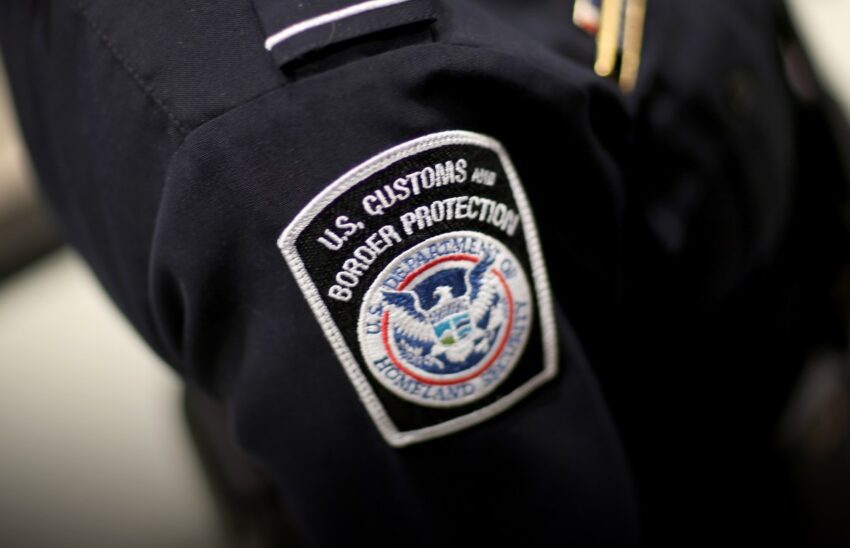
duress password The U.S. Justice Department is prosecuting an American man over an allegation that he used a phone “duress” passcode to wipe data while U.S. border agents were searching his device, according to an indictment and court reporting. The case, involving Atlanta resident Samuel Tunick, appears to be the first known U.S. federal prosecution centered on the alleged destruction of data using a built-in wipe feature on a phone.
duress password
What prosecutors allege
According to the indictment, Tunick allegedly provided a passcode to border authorities that caused the phone to “delete the digital contents” before the device was seized. The charge invokes a federal statute that makes it unlawful to knowingly destroy or damage property to prevent authorities from taking it. Tunick has pleaded not guilty.
The government’s filing also included a typo, referring to the “Untied States Code.” The exact details of the alleged wipe matter because the case appears to hinge on whether entering the passcode was a deliberate attempt to destroy evidence, rather than a normal device unlock.
A GrapheneOS feature at the center of the case
The phone reportedly ran GrapheneOS, a custom Android operating system that replaces the software found on most Google Pixel devices. Tunick’s attorneys confirmed that GrapheneOS was installed on the device.
GrapheneOS includes a feature that lets the owner set a separate “duress” passcode. If entered instead of the ordinary unlock code, it is designed to wipe the contents of the phone. That capability is intended as a security safeguard for people who may face coercion, though it can also become a legal flashpoint if authorities believe it was used to destroy evidence.
Border search rights and the legal dispute
Tunick’s legal team is challenging the stop itself. According to filings described by The Guardian, the defense argues that U.S. Customs and Border Protection unlawfully seized his phone when he arrived back in the United States on January 24, 2025, and that any evidence from the search should be suppressed.
The motion to suppress says Tunick was held for secondary inspection at Atlanta’s Hartsfield-Jackson airport, repeatedly denied access to an attorney, and not informed of his legal rights. His attorneys also argue that border agents demanded access to his phone under the stated suspicion of child exploitation imagery, but without evidence to support that claim.
The defense says the government was actually investigating Tunick because of his association with Defend the Atlanta Forest, an environmental movement opposing a large law-enforcement training campus in Atlanta known as “Cop City.”
The case also revives a long-running debate over border searches and constitutional protections. The U.S. government has traditionally argued that it can search and seize devices at the border without a warrant or court order until a person is formally admitted into the country.
How the phone behaved, according to the filing
In the sequence described by the defense, agents entered the provided code and “the screen went blank, flashed several times and the phone appeared to restart.” The authorities then seized the phone and later told Tunick that he was free to go and could enter the United States.
That detail is central because it suggests the passcode may have triggered the device’s wipe function rather than simply unlocking the phone. Prosecutors are now using that alleged action to support a criminal charge rarely seen in this context.
Why observers say the case is unusual
Matthew Dodge, an assistant federal public defender on Tunick’s legal team, told TechCrunch that it is “incredibly rare” to see the federal statute used in an indictment. Security researchers and digital-rights advocates said they were not aware of other cases brought this way.
Bill Budington, a senior staff technologist at the Electronic Frontier Foundation, and Runa Sandvik, a digital security expert and founder of the security consultancy Granitt, said they had not seen comparable prosecutions involving duress passwords. Sandvik said:
“I have not seen this before, though I’ve discussed the potential scenario with activists and journalists over the years,” said Sandvik. “I think this case serves as a reminder that authorities may argue you knowingly destroyed data, so it’s better to not have that data on you when you cross certain borders.”
“With a little planning ahead of time, you can always download the data you need once you get to where you’re going,” said Sandvik.
The Electronic Frontier Foundation has published guides on protecting data and understanding border-search rights, which may be relevant to travelers concerned about device inspections.
What happens next
The Atlanta federal court overseeing the case is expected to rule later this year on Tunick’s motion to suppress. If the court agrees with the defense, evidence tied to the border search could be excluded. If not, the prosecution would continue under the current indictment.
A Justice Department spokesperson declined to comment when reached by TechCrunch.
Source: Original report
Was this helpful?
Explore more: Mobile App Development More Mobile Technology Tech News
Last Modified: July 25, 2026 at 6:37 pm
20 views