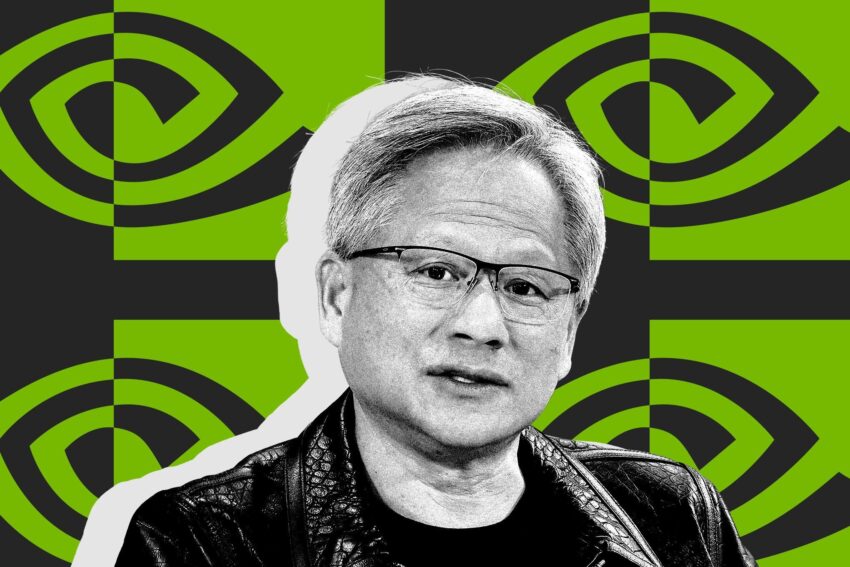
ai security alliance Nvidia and Microsoft have helped launch a new open-source AI security coalition that aims to build defensive tools for confronting attacks from advanced models, but the group is notable as much for who is missing as for who is in the room. The Open Secure AI Alliance arrives with backing from large infrastructure and security names including SpaceX, IBM, Palantir, Cloudflare, Dell, Cisco, Adobe, Siemens, DoorDash, the Linux Foundation, OpenClaw, and Cloudera — while OpenAI, Google, and Anthropic are not among the founding members. ([theverge.com](https://www.theverge.com/ai-artificial-intelligence/971281/nvidia-open-secure-ai-alliance-cybersecurity))
ai security alliance
A defensive push built around open tools
According to The Verge, Nvidia said on Monday that it is joining forces with Microsoft and a broad set of partners to develop and share open-source AI security tools. The stated goal of the alliance is to make it easier to defend against attacks involving frontier models, with supporters arguing that security researchers and defenders need access to open tools if they are going to keep pace with rapidly improving systems. ([theverge.com](https://www.theverge.com/ai-artificial-intelligence/971281/nvidia-open-secure-ai-alliance-cybersecurity))
The alliance is framed as a response to the rising concern that increasingly capable AI models can be used not only for productivity and automation, but also for intrusion, exploitation, and other forms of abuse. In The Verge’s reporting, the new group is presented as a direct answer to mounting worries about the safety of advanced AI systems, with Nvidia and its partners arguing that “open tools are required” to defend against attacks from frontier models. ([theverge.com](https://www.theverge.com/ai-artificial-intelligence/971281/nvidia-open-secure-ai-alliance-cybersecurity))
Why the absence of OpenAI, Google, and Anthropic stands out
The most obvious signal in the announcement is who did not join at the outset. OpenAI, Google, and Anthropic — three of the most prominent U.S. AI model developers — are conspicuously absent from the founding roster. That matters because the alliance is explicitly about model security, and the firms left out are among the companies most closely associated with the current frontier-model race. ([theverge.com](https://www.theverge.com/ai-artificial-intelligence/971281/nvidia-open-secure-ai-alliance-cybersecurity))
The Verge’s framing suggests a split in the industry over how much of the AI stack should be open. Nvidia and its partners are arguing that defenders need access to both closed and open models in order to understand threats and build effective safeguards, while much of the leading U.S. AI sector has so far preferred a more proprietary approach to its most capable systems. ([theverge.com](https://www.theverge.com/ai-artificial-intelligence/971281/nvidia-open-secure-ai-alliance-cybersecurity))
The timing follows a high-profile AI incident
The alliance was announced after a separate episode involving Hugging Face, which The Verge says used a Chinese open-weight AI model to defend itself against rogue OpenAI agents during testing. In that reporting, Hugging Face said it had to rely on a Chinese open-weight model because the safety guardrails on top U.S. models made them less useful for that defensive task. That episode appears to have sharpened the argument that security teams need more flexible, open tooling. ([theverge.com](https://www.theverge.com/ai-artificial-intelligence/971281/nvidia-open-secure-ai-alliance-cybersecurity))
The broader message is that AI security can no longer be treated as an afterthought or as a problem that only model developers can solve internally. The new alliance treats the defensive side of AI as its own ecosystem, one that may require independent tooling, shared infrastructure, and collaboration among vendors that do not necessarily agree on the politics of open models. ([theverge.com](https://www.theverge.com/ai-artificial-intelligence/971281/nvidia-open-secure-ai-alliance-cybersecurity))
Open versus closed is now a security debate
The Verge also places the alliance in the middle of a larger dispute over whether the most capable AI models should remain open. Chinese companies have been releasing increasingly powerful open-weight models, including Moonshot AI’s Kimi K3, which has intensified competitive pressure on U.S. labs that have mostly kept their frontier systems closed and proprietary. Nvidia and its allies appear to be betting that openness gives defenders a better chance to keep up with the threat landscape. ([theverge.com](https://www.theverge.com/ai-artificial-intelligence/971281/nvidia-open-secure-ai-alliance-cybersecurity))
That debate has also reached policymakers. The Verge notes that the alliance comes amid reports that the Trump administration considered restricting access to cutting-edge Chinese models, while an industry letter defending AI openness was spearheaded by Nvidia. In that sequence, Google and OpenAI eventually signed on, but Anthropic did not. The new alliance suggests that the politics of openness are increasingly spilling over into concrete security coordination. ([theverge.com](https://www.theverge.com/ai-artificial-intelligence/971281/nvidia-open-secure-ai-alliance-cybersecurity))
What the alliance could mean in practice
At least on paper, the Open Secure AI Alliance could create a venue for companies to share defensive tooling without waiting for the world’s largest model labs to agree on a common policy. Because the group includes major cloud, enterprise, and security players, it may be able to focus on practical problems such as detection, response, hardening, and red-teaming rather than broader debates over model release strategy. That emphasis could make it useful even if the largest model builders stay on the sidelines. This is an inference based on the membership mix and the alliance’s stated goals. ([theverge.com](https://www.theverge.com/ai-artificial-intelligence/971281/nvidia-open-secure-ai-alliance-cybersecurity))
The alliance may also help normalize the idea that AI security deserves the same kind of shared technical infrastructure that other parts of the software industry already rely on. The Linux Foundation’s presence in the founding group reinforces that possibility, since its involvement typically signals an effort to build durable, multi-vendor collaboration around standards or shared projects. Again, that is an inference from the reported membership list and the open-source framing. ([theverge.com](https://www.theverge.com/ai-artificial-intelligence/971281/nvidia-open-secure-ai-alliance-cybersecurity))
But the hard questions remain
Even with a coalition in place, the biggest unresolved question is whether open security tooling can keep pace with the pace of frontier-model development. Security researchers have long argued that openness can improve visibility and auditing, but model companies often worry that the same openness can make abuse easier. The new alliance is effectively placing a bet on the first argument: that defenders benefit more from access than attackers do. ([theverge.com](https://www.theverge.com/ai-artificial-intelligence/971281/nvidia-open-secure-ai-alliance-cybersecurity))
For now, the announcement looks less like a settled answer than the opening move in a much larger industry argument. Nvidia and Microsoft have helped assemble a coalition around the idea that AI security should be collaborative, open, and model-agnostic. Whether the biggest AI labs decide to join later may determine whether the alliance becomes a meaningful defensive platform or simply another marker of the industry’s deepening divide over openness. ([theverge.com](https://www.theverge.com/ai-artificial-intelligence/971281/nvidia-open-secure-ai-alliance-cybersecurity))
Source: Original report
Was this helpful?
Explore more: Application Audit & Review More Cybersecurity Tech News
Last Modified: July 27, 2026 at 6:37 pm
6 views