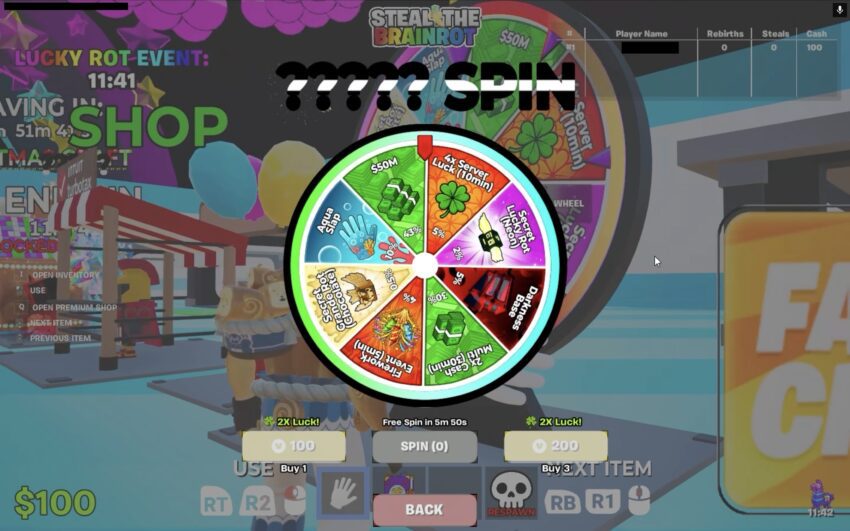
fortnite blocks creators from selling prize wheel Epic Games has announced a significant policy change regarding in-game transactions for Fortnite creators, particularly affecting the popular game mode, Steal The Brainrot.
fortnite blocks creators from selling prize wheel
New Policy Implementation
Beginning January 20th, Epic Games will prohibit creators from offering in-island transactions that involve “spins” or “increased luck” for prize wheels within their experiences, referred to as “islands.” This decision comes shortly after the company allowed creators to monetize their islands through in-game transactions, marking a notable shift in the monetization landscape for Fortnite creators.
Background on Steal The Brainrot
Steal The Brainrot has emerged as one of the most popular non-Epic games available within Fortnite, attracting a substantial player base. The game introduced a prize wheel feature that allowed players to spend V-Bucks, Fortnite’s virtual currency, to gain spins and enhance their chances of winning in-game items. This mechanic not only incentivized spending but also created a sense of excitement among players eager to obtain rare items.
However, the introduction of such monetization strategies raised concerns regarding fairness and the potential for exploitative practices. The prize wheel mechanic, combined with loot boxes, sparked discussions about the ethical implications of allowing players, particularly younger audiences, to spend real money for a chance to win virtual rewards.
Epic Games’ Rationale
In a statement made by an Epic staff member on Reddit, the company clarified its stance on the new rule. The decision to ban prize wheel spins is rooted in a desire to maintain a fair gaming environment and to protect players from potential exploitation. Epic Games aims to ensure that all transactions within Fortnite adhere to established guidelines that prioritize player experience and safety.
Epic’s move can be seen as a response to growing scrutiny over loot boxes and similar monetization strategies in the gaming industry. Regulatory bodies and consumer advocacy groups have increasingly voiced concerns about the potential for these systems to encourage gambling-like behavior, particularly among younger players. By implementing this new rule, Epic Games is taking a proactive approach to address these concerns and reinforce its commitment to responsible gaming practices.
Implications for Fortnite Creators
The new policy will have significant implications for Fortnite creators who have been exploring various monetization avenues. Many creators have invested time and resources into developing engaging experiences that include in-game transactions, and the ban on prize wheels may limit their ability to generate revenue.
Impact on Game Design
Creators will need to rethink their game design strategies to comply with the new regulations. The removal of prize wheels could lead to a shift in how creators incentivize player engagement and reward systems. Instead of relying on chance-based mechanics, creators may need to explore alternative methods to engage players, such as offering direct purchases or implementing skill-based rewards.
This shift could also encourage a more balanced approach to monetization, where creators focus on delivering quality content rather than relying on luck-based systems. By fostering a more transparent and fair environment, Epic Games may ultimately enhance player satisfaction and trust in the Fortnite ecosystem.
Community Reactions
The announcement of the new policy has elicited mixed reactions from the Fortnite community. Some players and creators have expressed support for Epic’s decision, citing concerns about the potential for exploitative practices in games that target younger audiences. They argue that banning prize wheels aligns with the company’s commitment to creating a safe gaming environment.
Conversely, other creators have voiced frustration over the limitations imposed by the new rule. Many have invested considerable effort into developing unique experiences that incorporate prize wheels, and the sudden change could disrupt their revenue streams. Some creators fear that this policy may stifle creativity and innovation within the Fortnite community, as they seek to adapt to the new guidelines.
Broader Industry Context
The decision to ban prize wheels in Fortnite is part of a larger trend in the gaming industry, where developers are increasingly scrutinizing monetization practices. The rise of loot boxes and similar mechanics has prompted regulatory bodies worldwide to examine their potential impact on players, particularly minors.
Regulatory Scrutiny
In recent years, several countries have taken steps to regulate loot boxes and other chance-based monetization strategies. For instance, Belgium and the Netherlands have implemented strict regulations that classify loot boxes as gambling, requiring developers to obtain licenses to operate such systems. This regulatory landscape has forced companies to reevaluate their monetization strategies and consider the long-term implications of their practices.
Epic Games’ decision to ban prize wheels may be a proactive measure to avoid potential regulatory challenges in the future. By establishing clear guidelines and prioritizing player safety, the company can position itself as a leader in responsible gaming practices, setting a precedent for other developers in the industry.
Future of Monetization in Fortnite
As Epic Games continues to refine its monetization policies, the future of in-game transactions in Fortnite remains uncertain. The company has demonstrated a willingness to adapt its strategies based on player feedback and industry trends. This flexibility could lead to the development of new monetization models that prioritize player engagement and satisfaction.
Creators may find new opportunities to monetize their islands through alternative means, such as offering premium content, exclusive items, or subscription-based models. By focusing on delivering high-quality experiences, creators can foster a loyal player base that values their contributions to the Fortnite ecosystem.
Conclusion
Epic Games’ decision to block creators from selling prize wheel spins marks a significant shift in the monetization landscape for Fortnite. While the new policy aims to protect players and promote responsible gaming practices, it also presents challenges for creators who have relied on chance-based mechanics to generate revenue. As the gaming industry continues to evolve, the implications of this decision will resonate throughout the community, prompting discussions about the future of monetization in Fortnite and beyond.
Source: Original report
Was this helpful?
Explore more: More Gaming Tech News Blog
Last Modified: January 17, 2026 at 9:41 am
16 views