Recent data indicates a significant shift in the competitive landscape between Waymo and Uber in the autonomous vehicle market.
Overview of the Autonomous Vehicle Market
The autonomous vehicle (AV) market has been a focal point of technological innovation and investment over the past decade. Companies like Waymo, a subsidiary of Alphabet Inc., and Uber have emerged as key players, each vying for dominance in this rapidly evolving sector. The competition has intensified as advancements in technology, regulatory frameworks, and consumer acceptance have begun to shape the industry’s trajectory.
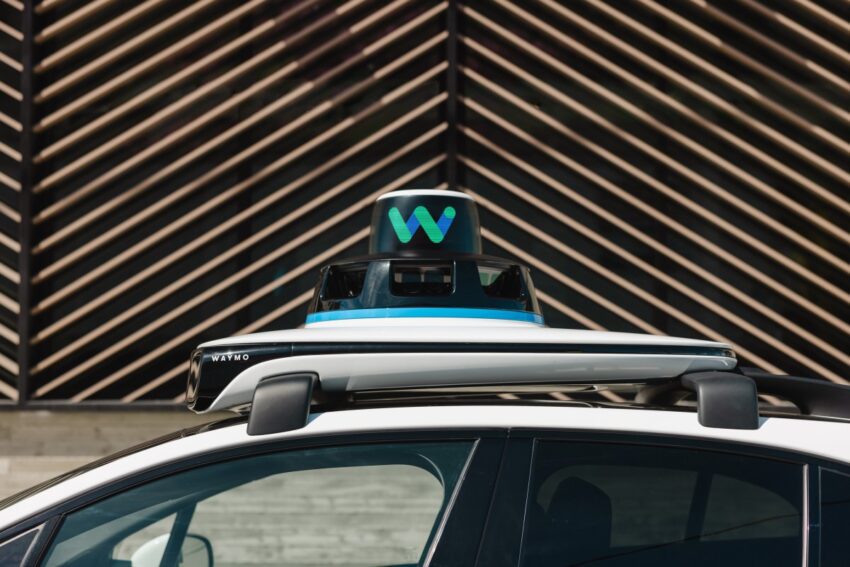
Waymo has long been recognized for its pioneering efforts in self-driving technology, boasting a fleet of autonomous vehicles that have logged millions of miles on public roads. Conversely, Uber, primarily known for its ride-hailing services, has also invested heavily in developing its own AV capabilities. The race to achieve a fully autonomous ride-hailing service has led to a narrowing of the price gap between the two companies, as highlighted by recent data from Obi.
Data Insights from Obi
Obi, a data analytics firm specializing in transportation metrics, has conducted a comprehensive analysis of pricing strategies employed by both Waymo and Uber. The findings suggest that the price differential between the two companies is decreasing, which could have significant implications for the future of ride-hailing services.
Methodology of the Analysis
Obi’s analysis involved collecting data from various sources, including ride-hailing apps, customer feedback, and market reports. The firm examined pricing trends over the past year, focusing on factors such as ride costs, service availability, and customer satisfaction. By comparing these metrics, Obi was able to identify shifts in pricing strategies and consumer preferences.
Key Findings
- Price Reductions: Both Waymo and Uber have implemented price reductions in their services, with Waymo’s fares becoming increasingly competitive with Uber’s.
- Service Expansion: Waymo has expanded its service areas, allowing it to reach a broader customer base, while Uber has enhanced its AV offerings in select markets.
- Consumer Preferences: A growing number of consumers are expressing interest in AV services, leading to increased demand for both companies.
Implications of the Price Gap Narrowing
The narrowing price gap between Waymo and Uber could have far-reaching implications for the autonomous vehicle market and the ride-hailing industry as a whole. As both companies strive to attract a larger share of the market, several key factors will play a role in shaping the future landscape.
Increased Competition
As the price gap diminishes, competition between Waymo and Uber is likely to intensify. This could lead to a series of strategic maneuvers, including further price reductions, enhanced service offerings, and increased marketing efforts. The competitive pressure may also prompt both companies to accelerate their technological advancements, striving to provide safer, more efficient, and more user-friendly services.
Impact on Consumer Choices
With both companies offering competitive pricing, consumers may find themselves with more options than ever before. This increased choice could lead to a shift in consumer behavior, as riders weigh factors such as price, service quality, and brand reputation. As a result, both Waymo and Uber will need to focus on delivering exceptional customer experiences to retain and attract users.
Regulatory Considerations
The evolving landscape of the autonomous vehicle market is also subject to regulatory scrutiny. As both Waymo and Uber expand their services, they will need to navigate a complex web of regulations at local, state, and federal levels. The regulatory environment can significantly impact pricing strategies, service availability, and overall market dynamics.
Stakeholder Reactions
The narrowing price gap has elicited varied reactions from stakeholders across the industry. Investors, consumers, and regulatory bodies are closely monitoring the developments, each with their own perspectives on the implications of this shift.
Investor Sentiment
Investors have expressed cautious optimism regarding the narrowing price gap. Many view it as a sign of healthy competition that could drive innovation and growth within the sector. However, there are concerns about the sustainability of price reductions and whether they will ultimately benefit the companies in the long run. Investors are particularly interested in how both companies will balance competitive pricing with profitability.
Consumer Perspectives
Consumers have largely welcomed the increased competition, as it has led to more affordable ride-hailing options. Many riders appreciate the potential for improved service quality and availability. However, there are also concerns about safety and reliability, particularly as both companies continue to refine their autonomous technologies. Consumer trust will play a crucial role in determining which company ultimately wins the loyalty of riders.
Regulatory Bodies
Regulatory agencies are taking a keen interest in the developments within the autonomous vehicle market. As both Waymo and Uber expand their services, regulators will need to ensure that safety standards are upheld and that competition remains fair. The evolving regulatory landscape could influence pricing strategies and market dynamics, making it essential for both companies to engage proactively with policymakers.
Future Outlook
The future of the autonomous vehicle market remains uncertain, but the narrowing price gap between Waymo and Uber suggests a more competitive landscape is on the horizon. As both companies continue to innovate and refine their services, several trends are likely to emerge.
Technological Advancements
Both Waymo and Uber are expected to invest heavily in research and development to enhance their autonomous technologies. This could lead to breakthroughs in safety, efficiency, and user experience. As technological advancements continue to unfold, the competitive landscape may shift further, with new players potentially entering the market.
Market Consolidation
As competition intensifies, there is a possibility of market consolidation. Smaller players may struggle to compete with the scale and resources of Waymo and Uber, leading to potential mergers and acquisitions within the industry. This consolidation could reshape the market and influence pricing strategies moving forward.
Consumer Adoption
Consumer adoption of autonomous vehicle services will be a critical factor in determining the success of both Waymo and Uber. As public perception of AV technology evolves, companies will need to address safety concerns and build trust among riders. Effective marketing strategies and transparent communication will be essential in fostering consumer confidence.
Conclusion
The narrowing price gap between Waymo and Uber marks a pivotal moment in the autonomous vehicle market. As both companies strive to capture a larger share of the ride-hailing sector, the implications of this shift will reverberate throughout the industry. Increased competition, evolving consumer preferences, and regulatory considerations will shape the future landscape of autonomous vehicles. Stakeholders from investors to consumers will continue to monitor these developments closely, as the race for dominance in the autonomous vehicle market intensifies.
Source: Original report
Was this helpful?
Explore more: More General Technology Tech News Blog
Last Modified: January 28, 2026 at 2:01 am
10 views