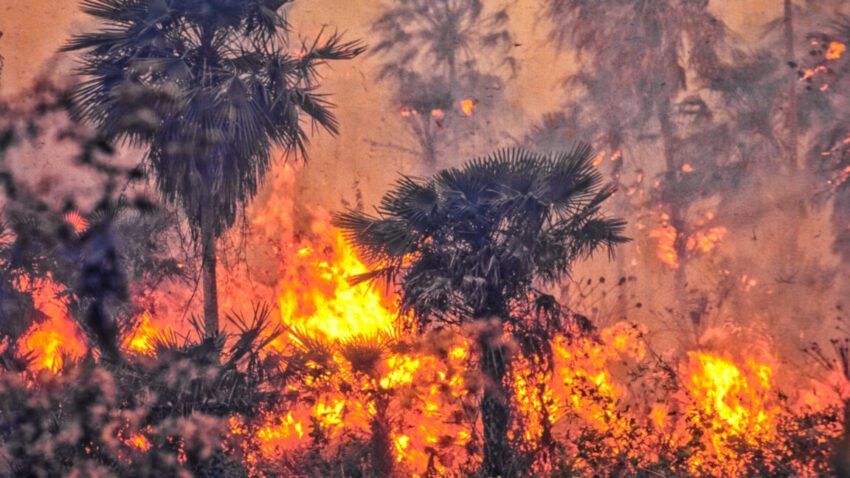
brazil weakens amazon protections days after cop30 Brazil has moved to weaken protections for the Amazon rainforest just days after the conclusion of the COP30 climate summit, raising concerns about the future of one of the world’s most vital ecosystems.
brazil weakens amazon protections days after cop30
Background on Brazil’s Environmental Commitments
Brazil has long been viewed as a critical player in global environmental discussions, particularly regarding the Amazon rainforest, which is often referred to as the “lungs of the Earth.” The Amazon plays a crucial role in regulating the global climate by absorbing carbon dioxide and producing oxygen. It is also home to an unparalleled diversity of flora and fauna, as well as Indigenous communities that have lived sustainably within its bounds for centuries.
In recent years, however, Brazil’s environmental policies have come under scrutiny. Under the presidency of Jair Bolsonaro, from 2019 to 2023, the country adopted a deregulatory approach that prioritized agribusiness and development over environmental protections. This shift led to increased deforestation rates and significant damage to the ecosystems within the Amazon. The Bolsonaro administration’s policies were widely criticized by environmentalists and Indigenous rights advocates, who argued that they undermined decades of conservation efforts.
The COP30 Climate Summit
The 30th Conference of the Parties (COP30), held in Belém, Brazil, was a significant event aimed at addressing global climate change. Leaders from various countries gathered to discuss strategies for mitigating climate change, with a particular focus on protecting vital ecosystems like the Amazon. Brazil’s government, under President Luiz Inácio Lula da Silva, had positioned itself as a leader in environmental stewardship, pledging to restore protections for the Amazon and reduce deforestation rates.
During the summit, Lula emphasized Brazil’s commitment to preserving the rainforest and promoting sustainable development. The Brazilian delegation made several promises regarding the protection of the Amazon, which were met with cautious optimism from the international community. However, these commitments were soon called into question following the recent legislative actions taken by Brazil’s National Congress.
Legislative Rollback of Protections
On November 27, 2025, just days after COP30 concluded, a powerful political bloc in Brazil’s National Congress, primarily representing agribusiness interests, moved to weaken existing safeguards for the Amazon. This rollback was centered around an environmental licensing bill that had been passed by the government a few months prior to the climate summit. The bill aimed to streamline the licensing process for various development projects, including agriculture, mining, and infrastructure, which are often detrimental to the environment.
The legislation reflects the ongoing influence of the rural caucus, known as the Frente Parlamentar da Agropecuária, which has historically prioritized agribusiness over environmental concerns. This group gained significant power during Bolsonaro’s presidency and continues to exert considerable influence in the current political landscape.
Key Provisions of the Environmental Licensing Bill
The environmental licensing bill included several provisions that critics argue would significantly weaken protections for the Amazon’s rivers, forests, and Indigenous communities. Key aspects of the legislation include:
- Streamlined Licensing Processes: The bill allows for expedited environmental licensing for projects deemed to be of “national interest,” which could lead to increased deforestation and habitat destruction.
- Reduced Oversight: The legislation diminishes the role of environmental agencies in the licensing process, potentially leading to less rigorous assessments of environmental impacts.
- Indigenous Land Rights: The bill raises concerns about the rights of Indigenous communities, as it could facilitate encroachment on their lands by agribusiness and other development interests.
Implications of the Rollback
The weakening of protections for the Amazon has far-reaching implications, both for Brazil and the global community. Environmentalists warn that these legislative changes could lead to a significant increase in deforestation rates, further exacerbating climate change and biodiversity loss. The Amazon rainforest is already facing unprecedented threats, and the recent rollback of protections could accelerate its degradation.
Moreover, the implications extend beyond environmental concerns. The Indigenous communities that inhabit the Amazon rely on the forest for their livelihoods and cultural identity. The weakening of protections could lead to increased conflicts over land rights and resources, further marginalizing these communities.
International Reactions
The international community has reacted with alarm to Brazil’s recent legislative actions. Environmental organizations, world leaders, and climate activists have expressed their disappointment and concern over the rollback of protections. Many view this as a betrayal of the commitments made during COP30 and a significant setback in the global fight against climate change.
Notably, the European Union, which has been a strong advocate for environmental protections, has indicated that it may reconsider trade agreements with Brazil in light of these developments. The EU’s concern centers around the potential for increased deforestation to undermine sustainability commitments and environmental standards.
Future of Amazon Protections
The future of protections for the Amazon remains uncertain. While the current government has made commitments to restore some level of environmental oversight, the recent legislative actions suggest a strong resistance from agribusiness interests and other development stakeholders. The ongoing influence of the rural caucus raises questions about the effectiveness of any proposed reforms.
Advocates for the Amazon argue that a multi-faceted approach is necessary to address the challenges facing the rainforest. This includes not only stronger legal protections but also sustainable development practices that consider the needs of Indigenous communities and the environment. Collaborative efforts between the government, Indigenous groups, and environmental organizations will be crucial in shaping the future of the Amazon.
Conclusion
The recent weakening of protections for the Amazon rainforest in Brazil is a stark reminder of the complexities and challenges involved in balancing economic interests with environmental stewardship. As the world grapples with the urgent need to address climate change, the fate of the Amazon will play a pivotal role in shaping global environmental policies. The actions taken by Brazil’s National Congress highlight the ongoing struggle between development and conservation, and the outcomes of this struggle will have lasting implications for the planet.
Source: Original report
Was this helpful?
Explore more: More General Technology Tech News Blog
Last Modified: December 9, 2025 at 10:37 pm
21 views