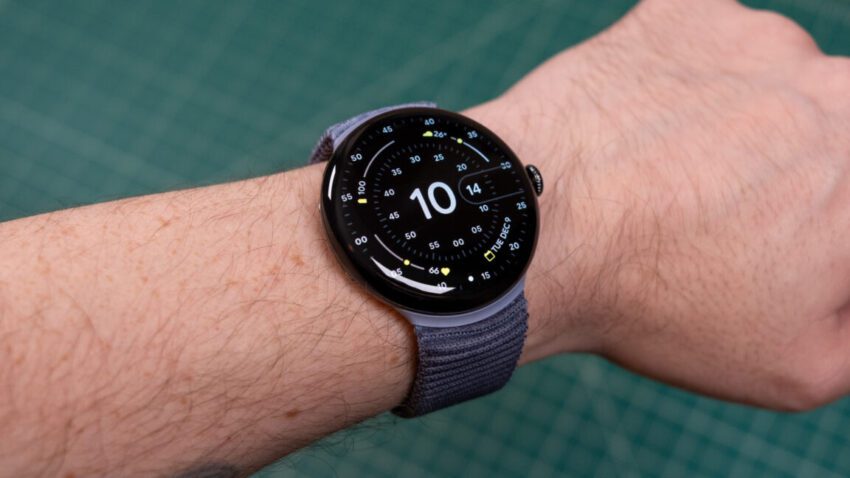
google is reviving wearable gesture controls but Google is reintroducing wearable gesture controls, specifically for the Pixel Watch 4, marking a significant shift in its wearable technology strategy.
google is reviving wearable gesture controls but
Background on Gesture Controls in Wearables
Gesture controls in wearable technology have been a topic of interest for several years. Initially, Google integrated hands-free navigation gestures into its Android-powered wearables, allowing users to interact with their devices without physical contact. However, as Google continually revised its approach to wearables, these features were gradually phased out. The company’s shifting focus led to a fragmented strategy that left many users and developers uncertain about the future of gesture-based controls.
Gesture controls have gained popularity in the tech industry, particularly with the success of devices like the Apple Watch, which has effectively utilized such features to enhance user experience. The ability to navigate through notifications, answer calls, and control media playback with simple hand movements has proven to be both convenient and intuitive. Google’s decision to revive gesture controls for the Pixel Watch 4 indicates a renewed commitment to enhancing user interaction through innovative technology.
New Gesture Features for the Pixel Watch 4
The upcoming update for the Pixel Watch 4 introduces several new gesture controls that aim to improve usability and streamline interactions. One of the most notable additions is the double pinch gesture, which mirrors a feature found on the Apple Watch. This gesture allows users to tap their thumb and forefinger together to perform various functions, such as:
- Answering or ending phone calls
- Pausing or resuming timers
- Controlling media playback
This gesture is designed to provide a hands-free option for users, making it easier to manage tasks without needing to touch the screen directly. The watch will also prompt users at appropriate times, indicating when they can utilize the double pinch gesture for control.
Enhanced Interaction with Wrist Movements
In addition to the double pinch gesture, the Pixel Watch 4 will feature a new wrist turn gesture. Previously, Google-powered watches allowed users to scroll through lists with a quick wrist turn. However, the new update changes the functionality of this motion. Instead of scrolling, a quick wrist turn will now dismiss whatever is currently displayed on the screen.
This change offers a more efficient way to manage notifications and incoming calls. For instance, users can easily clear a notification or dismiss a call simply by turning their wrist. This feature is particularly useful in situations where users may not want to interact with their watch directly, such as during meetings or while engaged in other activities.
Implications of Gesture Controls on User Experience
The reintroduction of gesture controls on the Pixel Watch 4 has several implications for user experience and the broader wearable technology landscape. By incorporating these features, Google aims to enhance the functionality of its smartwatch, making it a more appealing option for consumers.
Increased Usability
Gesture controls can significantly improve usability, especially for users who may find touch interactions cumbersome. For instance, individuals with limited mobility or those engaged in physical activities may benefit from the ability to control their devices without needing to touch the screen. The double pinch and wrist turn gestures provide an alternative means of interaction that can make the device more accessible to a wider audience.
Competitive Edge in the Market
As the wearable technology market becomes increasingly competitive, features like gesture controls can provide a crucial edge. Companies like Apple and Samsung have successfully integrated gesture controls into their devices, enhancing user engagement and satisfaction. By reintroducing these features, Google positions the Pixel Watch 4 as a strong contender in the smartwatch market, potentially attracting users who prioritize innovative interaction methods.
Potential for Future Updates
The revival of gesture controls also opens the door for future updates and enhancements. As users become accustomed to these features, Google may explore additional gestures or refine existing ones based on user feedback. This iterative approach can lead to a more robust and user-friendly experience over time, further solidifying the Pixel Watch 4’s position in the market.
Stakeholder Reactions
The announcement of gesture controls for the Pixel Watch 4 has elicited a range of reactions from stakeholders, including consumers, industry analysts, and developers.
Consumer Enthusiasm
Many consumers have expressed excitement about the return of gesture controls, particularly those who have previously used devices with similar features. The convenience of hands-free navigation resonates with users who lead active lifestyles or prefer minimal physical interaction with their devices. Social media platforms have seen a surge of discussions around the potential benefits of these new features, with users sharing their anticipation for the update.
Industry Analysts’ Perspectives
Industry analysts have noted that Google’s reintroduction of gesture controls could signify a strategic pivot in its wearable technology approach. Analysts suggest that this move may reflect a broader trend within the industry, where companies are increasingly focusing on enhancing user experience through innovative interaction methods. The success of gesture controls on the Pixel Watch 4 could influence other manufacturers to adopt similar features in their devices.
Developer Considerations
For developers, the introduction of gesture controls presents both opportunities and challenges. On one hand, these features can enhance app functionality and user engagement, allowing developers to create more interactive experiences. On the other hand, developers will need to adapt their applications to accommodate the new gestures, ensuring that they work seamlessly with the updated watchOS. This may require additional resources and testing to ensure compatibility and user satisfaction.
Conclusion
The revival of wearable gesture controls for the Pixel Watch 4 marks a significant development in Google’s wearable technology strategy. By introducing features like the double pinch and wrist turn gestures, Google aims to enhance user experience and compete more effectively in the smartwatch market. The implications of these changes extend beyond mere convenience, potentially reshaping how users interact with their devices and influencing future developments in wearable technology.
As the update rolls out, it will be interesting to observe how users respond to these new features and whether they lead to increased adoption of the Pixel Watch 4. The success of gesture controls could pave the way for further innovations in the wearable space, reinforcing the importance of intuitive interaction methods in the evolving landscape of technology.
Source: Original report
Was this helpful?
Explore more: More Hardware & Devices Tech News Blog
Last Modified: December 9, 2025 at 10:36 pm
17 views