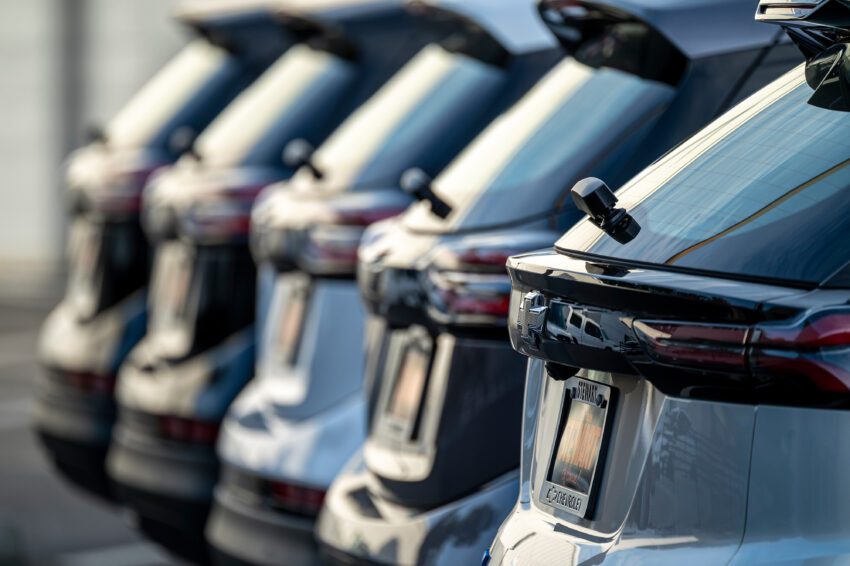
an influx of used evs could drive Recent projections indicate that a significant increase in the availability of used electric vehicles (EVs) over the next few years could lead to a substantial decrease in prices, making these eco-friendly options more accessible to consumers.
an influx of used evs could drive
The Current State of Electric Vehicle Pricing
Electric vehicles have gained traction in recent years, but their adoption has been hampered primarily by their cost. While the initial purchase price of EVs has been decreasing, it still remains a barrier for many potential buyers. According to various industry reports, the average price of a new electric vehicle was approximately $66,000 in early 2023, which is significantly higher than the average price of a new gasoline vehicle. This price disparity has made it challenging for many consumers to consider switching to electric alternatives.
As of 2024, the landscape is expected to change dramatically. The anticipated influx of used EVs is projected to reshape the market, providing consumers with more affordable options. This shift is particularly crucial as the majority of vehicles sold in the United States are used; in fact, about 76 percent of all car sales fall into this category, according to Consumer Affairs. The growing availability of used EVs could thus play a pivotal role in accelerating the transition to electric mobility.
Projected Growth in Used EV Availability
According to Cox Automotive, a leading provider of automotive market intelligence, the number of leased electric vehicles returning to the market is set to increase significantly in the coming years. In 2025, only 123,000 leases on EVs are expected to expire. However, this figure is projected to more than double to 300,000 in 2026, and then double again to 600,000 in 2027. By 2028, the number of expired leases is expected to reach approximately 660,000. This surge in lease expirations will lead to a substantial influx of used EVs into the market, potentially exceeding one million vehicles over the next few years.
Understanding the Lease Market
Leasing has become a popular option for many consumers, particularly in the EV market. The appeal of leasing includes lower monthly payments and the ability to drive a new vehicle every few years without the long-term commitment of ownership. However, most leased vehicles eventually enter the used market, meaning that as more consumers opt for leasing, the number of used EVs available for purchase increases correspondingly.
This trend is particularly relevant for electric vehicles, as manufacturers have been ramping up production to meet growing demand. As a result, many consumers are choosing to lease EVs rather than purchase them outright. This strategy not only allows for a lower initial financial outlay but also provides the flexibility to switch to newer models as technology advances.
Market Implications of Increased Used EV Availability
The anticipated influx of used EVs is expected to have several implications for the automotive market. First and foremost, the increased supply of used vehicles is likely to drive down prices. As more consumers gain access to affordable electric vehicles, the overall market dynamics will shift, making EVs a more viable option for a broader audience.
Impact on Consumer Choices
With the availability of used EVs, consumers will have more choices than ever before. This increased competition in the market could lead to better deals and incentives from dealerships, further encouraging the transition to electric vehicles. As prices decrease, consumers who may have previously been hesitant to invest in an EV due to cost concerns may now find it feasible to make the switch.
Moreover, the growing availability of used EVs could also stimulate interest in electric vehicles among demographics that have traditionally been less engaged with the technology. For instance, younger buyers, who are often more price-sensitive, may find used EVs to be an attractive option. This demographic shift could further accelerate the adoption of electric vehicles, contributing to a more sustainable transportation ecosystem.
Environmental Considerations
The environmental implications of increased EV adoption are significant. Electric vehicles produce zero tailpipe emissions, which can lead to improved air quality, particularly in urban areas. As more consumers transition to electric vehicles, the overall carbon footprint of the automotive sector could decrease, contributing to broader efforts to combat climate change.
Furthermore, the increased availability of used EVs can help address concerns regarding the sustainability of battery production and disposal. As the market for used EVs grows, there will be more opportunities for battery recycling and repurposing, which can mitigate some of the environmental impacts associated with battery manufacturing.
Challenges and Considerations
While the influx of used EVs presents numerous opportunities, it is essential to acknowledge the challenges that may arise. One significant concern is the potential for a glut of used vehicles in the market, which could lead to price instability. If the supply of used EVs exceeds demand, it could create downward pressure on prices, affecting the resale value of both used and new electric vehicles.
Consumer Education and Awareness
Another challenge lies in consumer education. Many potential buyers may still have misconceptions about electric vehicles, including concerns about range, charging infrastructure, and maintenance costs. As the market for used EVs expands, it will be crucial for manufacturers, dealerships, and industry stakeholders to provide accurate information and resources to help consumers make informed decisions.
Additionally, the availability of charging infrastructure remains a critical factor in the widespread adoption of electric vehicles. While the number of charging stations has been increasing, there are still areas where access is limited. Ensuring that consumers have convenient access to charging facilities will be essential for maximizing the benefits of increased used EV availability.
Stakeholder Reactions
The anticipated influx of used EVs has garnered attention from various stakeholders within the automotive industry. Manufacturers, dealerships, and policymakers are all closely monitoring these developments, as they have the potential to reshape the market landscape.
Manufacturers’ Perspectives
Automakers are increasingly recognizing the importance of the used EV market. Many manufacturers are implementing strategies to enhance the resale value of their vehicles, including offering warranties and certified pre-owned programs. These initiatives aim to instill confidence in consumers and encourage them to consider purchasing used electric vehicles.
Dealerships and the Used Car Market
Dealerships are also adapting to the changing landscape. As the supply of used EVs increases, dealerships may need to adjust their inventory strategies and pricing models. Some dealerships are already investing in training their sales staff to better understand electric vehicles and the unique needs of EV buyers. This proactive approach can help ensure that consumers receive the information and support they need when considering a used electric vehicle.
Government and Policy Implications
Policymakers are paying close attention to the evolving electric vehicle market. Incentives for electric vehicle purchases, such as tax credits and rebates, have been instrumental in driving adoption. As the market for used EVs grows, there may be opportunities for policymakers to introduce new initiatives aimed at promoting the resale of electric vehicles, further incentivizing consumers to make the switch.
Conclusion
The projected influx of used electric vehicles over the next few years holds the potential to significantly alter the automotive landscape. As prices decrease and accessibility increases, more consumers may consider making the switch to electric mobility. While challenges remain, the overall trend points toward a more sustainable future for transportation, driven by the growing availability of affordable used EVs.
Source: Original report
Was this helpful?
Explore more: More Consumer Technology Tech News Blog
Last Modified: April 26, 2026 at 6:37 am
15 views