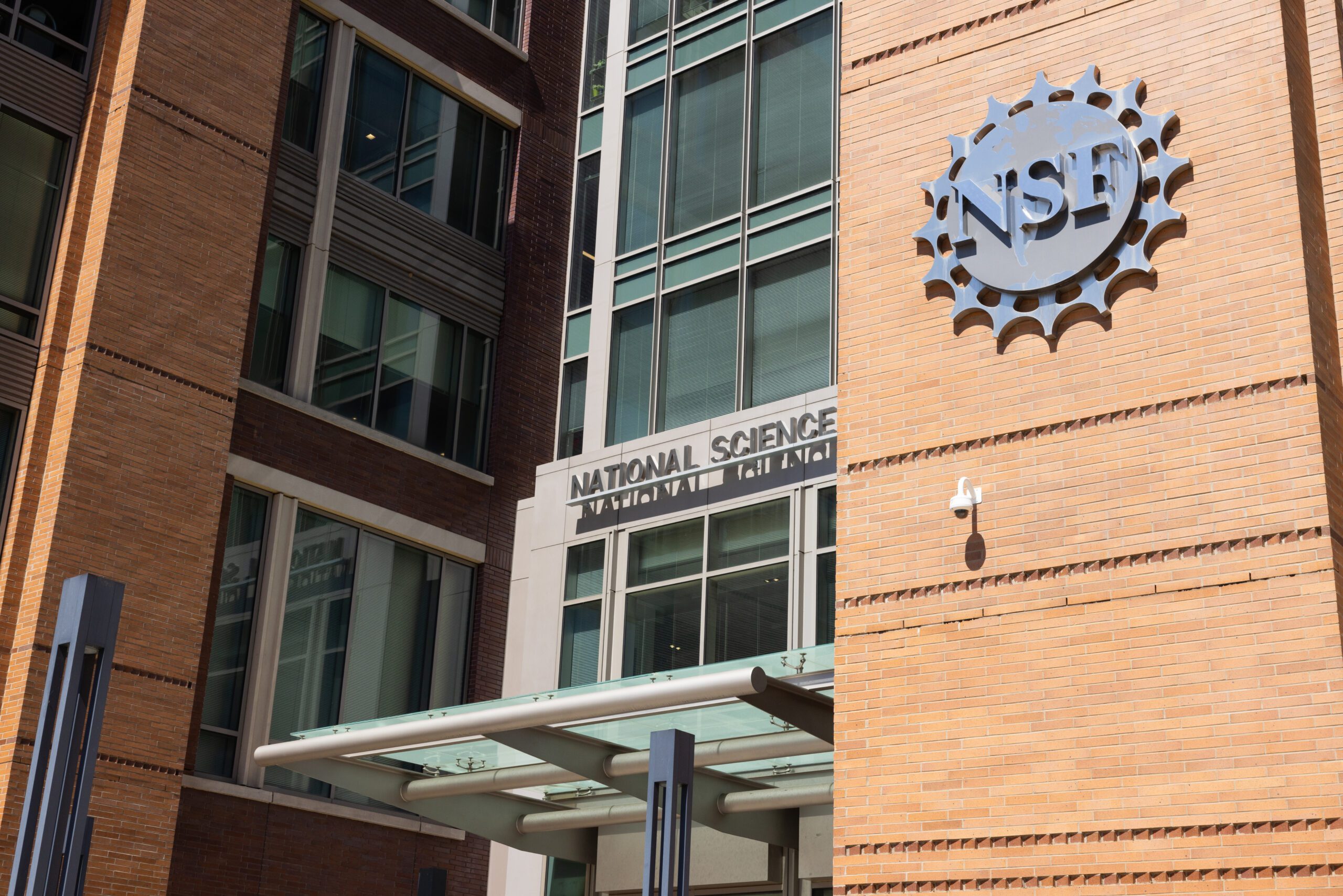
trump fires the entire national science board The Trump administration has made a significant decision by dismissing the entire National Science Board (NSB), a move that has raised concerns among scientists and policymakers alike.
trump fires the entire national science board
Background on the National Science Board
The National Science Board (NSB) plays a crucial role in the United States’ scientific landscape. Established in 1950, the NSB serves as the governing body of the National Science Foundation (NSF). Its primary responsibilities include advising the President and Congress on matters related to science and engineering, as well as overseeing the NSF’s operations and budget. The NSF itself is instrumental in funding scientific research across various fields, including biology, physics, and social sciences.
Over the years, the NSF has contributed to groundbreaking advancements in technology and medicine. For instance, it has been pivotal in the development of technologies that underpin modern medical imaging techniques, such as MRIs, and has played a role in the evolution of communication devices, including cellphones. Additionally, the NSF has supported educational platforms like Duolingo, which have transformed language learning for millions of users worldwide.
Implications of the Dismissal
The dismissal of the NSB raises several questions about the future of scientific research and funding in the United States. The NSF has been operating under significant constraints in recent years, with funding levels at historically low points. This trend has resulted in delays in the allocation of research grants, which can hinder the progress of scientific initiatives and innovation.
Experts argue that the removal of the NSB could exacerbate these issues. The board’s expertise and guidance are essential for ensuring that the NSF effectively addresses the nation’s scientific challenges. Without the NSB’s oversight, there are concerns that the NSF may struggle to prioritize funding for critical research areas, potentially stalling advancements in science and technology.
Reactions from the Scientific Community
The scientific community has reacted strongly to the news of the NSB’s dismissal. Zoe Lofgren, the ranking Democrat on the House Science, Space, and Technology Committee, expressed her dismay in a statement, calling the move “the latest stupid move made by a president who continues to undermine the very foundations of our scientific enterprise.” Her comments reflect a broader sentiment among scientists who fear that this decision could have long-lasting repercussions for research funding and policy in the United States.
Many scientists and researchers have taken to social media to voice their concerns. They argue that the NSB’s dismissal sends a troubling message about the administration’s commitment to science and evidence-based policy. Some have pointed out that the board’s expertise is vital for navigating complex scientific issues, and its absence could lead to misguided decisions that may not align with the best interests of the nation.
Potential Consequences for Research Funding
The NSF has historically played a vital role in funding research projects that drive innovation and economic growth. The board’s dismissal could hinder the NSF’s ability to effectively allocate resources to high-impact research areas. This is particularly concerning given the current state of scientific funding, which has already been strained in recent years.
Funding for the NSF has not kept pace with inflation, leading to a decline in the number of grants awarded and the overall budget for scientific research. As a result, many researchers have found it increasingly challenging to secure funding for their projects. The NSB’s guidance has been essential in navigating these challenges and ensuring that funding is directed toward areas of national importance.
Impact on Future Scientific Initiatives
The dismissal of the NSB could also have implications for future scientific initiatives. The board’s expertise is critical for identifying emerging trends and challenges in science and technology. Without this guidance, the NSF may struggle to adapt to rapidly changing scientific landscapes, potentially leaving the United States at a disadvantage in global research and innovation.
Moreover, the NSB has been instrumental in promoting interdisciplinary research, which is increasingly important for addressing complex societal challenges. The board has encouraged collaboration between different scientific fields, fostering innovation that transcends traditional boundaries. The absence of the NSB could stifle these collaborative efforts, limiting the potential for groundbreaking discoveries.
Political Context and Stakeholder Reactions
The dismissal of the NSB occurs within a broader political context marked by tensions between the Trump administration and the scientific community. Throughout his presidency, Trump has often downplayed the importance of scientific expertise, particularly in areas such as climate change and public health. This has led to concerns about the administration’s commitment to evidence-based policymaking and its willingness to prioritize scientific research.
In addition to Lofgren’s comments, other politicians and stakeholders have expressed their disapproval of the decision. Many Democratic lawmakers have criticized the administration’s approach to science and research funding, arguing that it undermines the nation’s ability to address pressing challenges, such as public health crises and technological advancements.
Broader Implications for Science Policy
The dismissal of the NSB may also have broader implications for science policy in the United States. As the NSF navigates the challenges of funding and research priorities, the absence of the NSB could lead to a lack of accountability and oversight in the allocation of resources. This could result in funding being directed toward projects that do not align with national priorities or that lack scientific merit.
Furthermore, the decision could set a precedent for future administrations to disregard the expertise of scientific advisory boards. This could weaken the overall framework of science policy in the United States, making it more difficult for researchers to advocate for funding and support for their work.
Conclusion
The dismissal of the entire National Science Board by the Trump administration marks a significant turning point in the relationship between the federal government and the scientific community. As the NSF grapples with funding challenges and the need for effective oversight, the absence of the NSB raises concerns about the future of scientific research in the United States. The implications of this decision extend beyond immediate funding issues, potentially affecting the nation’s ability to address complex scientific challenges and maintain its position as a leader in global research and innovation.
As stakeholders continue to react to this development, it remains to be seen how the NSF will adapt to the changing landscape of science policy and funding. The scientific community is likely to remain vigilant in advocating for the importance of evidence-based decision-making and the need for robust support for research initiatives.
Source: Original report
Was this helpful?
Explore more: More General Technology Tech News Blog
Last Modified: April 26, 2026 at 6:36 am
15 views