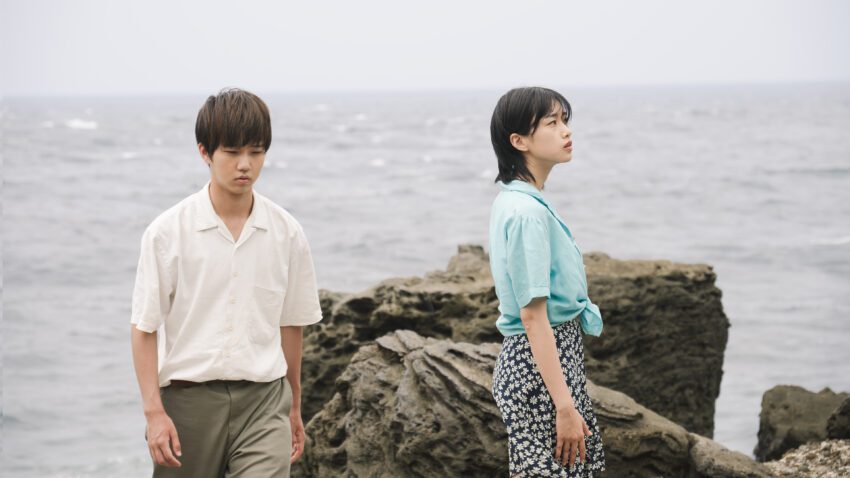
sho miyake answers life s greatest questions Acclaimed Japanese director Sho Miyake has arrived in the States, bringing with him two feature films that explore the complexities of human connection.
sho miyake answers life s greatest questions
Introduction to Sho Miyake’s Work
Sho Miyake is rapidly gaining recognition in the international film community for his unique storytelling style and profound character studies. His latest works, Small, Slow But Steady and Two Seasons, Two Strangers, delve into themes of isolation and the human desire for connection. These films are not just narratives; they are explorations of the emotional landscapes that define our interactions with one another.
Overview of the Films
Miyake’s films are characterized by their naturalistic approach, focusing on the subtleties of human behavior and the often uncomfortable realities of life. Both Small, Slow But Steady and Two Seasons, Two Strangers exemplify this style, presenting characters who grapple with their own insecurities and the societal pressures that exacerbate their feelings of alienation.
Small, Slow But Steady
In Small, Slow But Steady, we meet Keiko, a deaf boxer portrayed by Yukino Kishii. The film unfolds as an affectionate yet poignant narrative that captures her struggles both in and out of the boxing ring. Keiko’s journey is not merely about her physical prowess but also about her emotional resilience as she navigates a world that often overlooks her. The film’s title reflects the slow, deliberate pace at which Keiko confronts her challenges, emphasizing the importance of perseverance in the face of adversity.
Two Seasons, Two Strangers
Two Seasons, Two Strangers offers a different yet complementary perspective on human connection. The film explores the lives of two individuals who, despite their differences, find themselves intertwined in unexpected ways. The narrative structure allows viewers to witness the evolution of their relationship, highlighting the moments of vulnerability that can lead to deeper understanding and empathy. Miyake’s ability to portray these nuanced interactions is a testament to his skill as a director and storyteller.
Thematic Exploration
At the core of Miyake’s films is a profound exploration of discomfort and isolation. He states, “I like these characters that have a sense of discomfort that slowly starts to distance them from society.” This sentiment resonates throughout both films, as characters grapple with their inner turmoil while attempting to forge connections with others. The discomfort they experience serves as a catalyst for growth, pushing them to confront their fears and insecurities.
Isolation and Connection
The theme of isolation is particularly poignant in Small, Slow But Steady. Keiko’s deafness sets her apart from the world around her, creating a barrier that complicates her interactions. However, it is through her passion for boxing that she finds a sense of belonging. The gym becomes a sanctuary where she can express herself and connect with others who share her dedication. This duality of isolation and connection is a recurring motif in Miyake’s work, illustrating the complexities of human relationships.
Character Development
Miyake’s characters are intricately developed, often reflecting the struggles of real people. Keiko’s journey is not just about her physical training; it is also about her emotional growth. As she faces challenges both inside and outside the ring, viewers witness her transformation from a solitary figure to someone who learns to embrace her vulnerabilities. This character arc is a hallmark of Miyake’s storytelling, as he emphasizes the importance of personal growth in overcoming life’s obstacles.
Critical Reception
Both films have garnered attention at various film festivals, with critics praising Miyake’s ability to create authentic and relatable characters. Small, Slow But Steady was particularly well-received at the New Directors/New Films festival, where audiences were captivated by its heartfelt portrayal of Keiko’s journey. Critics have noted that the film’s strength lies in its ability to evoke empathy, allowing viewers to connect with Keiko’s struggles on a personal level.
Audience Reactions
Audience reactions to Miyake’s films have been overwhelmingly positive, with many viewers expressing a deep emotional connection to the characters. The raw honesty of Keiko’s story resonates with those who have experienced feelings of isolation or discomfort in their own lives. This connection is further enhanced by the film’s naturalistic style, which immerses viewers in the characters’ experiences.
Director’s Vision
Miyake’s vision as a director is rooted in his desire to explore the human condition. He aims to create films that reflect the complexities of life, encouraging audiences to confront their own feelings of discomfort and isolation. In an interview, he remarked, “I want to create a space where viewers can reflect on their own experiences and find solace in the stories of others.” This commitment to authenticity is evident in every frame of his films.
Filmmaking Approach
Miyake’s filmmaking approach is characterized by a focus on realism and emotional depth. He often collaborates closely with his actors to ensure that their performances are genuine and relatable. This collaborative process allows for a more organic portrayal of the characters’ journeys, resulting in a cinematic experience that feels both intimate and impactful. The use of natural lighting and minimalistic settings further enhances the authenticity of the narratives, drawing viewers into the characters’ worlds.
Implications for Contemporary Cinema
Miyake’s work contributes to a broader conversation about the role of cinema in addressing themes of isolation and connection. In an era where many individuals experience feelings of disconnection, his films serve as a reminder of the importance of empathy and understanding. By portraying characters who grapple with their own vulnerabilities, Miyake encourages audiences to reflect on their own lives and the relationships they cultivate.
Influence on Future Filmmakers
The impact of Miyake’s films extends beyond his immediate audience. Emerging filmmakers are likely to draw inspiration from his approach to storytelling, particularly his emphasis on character development and emotional authenticity. As the film industry continues to evolve, Miyake’s work may pave the way for a new wave of filmmakers who prioritize the exploration of complex human emotions in their narratives.
Conclusion
Sho Miyake’s arrival in the United States marks a significant moment for both him and the audiences eager to experience his films. With Small, Slow But Steady and Two Seasons, Two Strangers, he invites viewers to engage with the uncomfortable yet essential aspects of human connection. Through his naturalistic storytelling and profound character studies, Miyake challenges us to confront our own discomforts and seek understanding in our relationships with others. As his work continues to resonate with audiences, it is clear that Sho Miyake is a director to watch in the coming years.
Source: Original report
Was this helpful?
Explore more: More General Technology Tech News Blog
Last Modified: April 25, 2026 at 5:37 pm
16 views