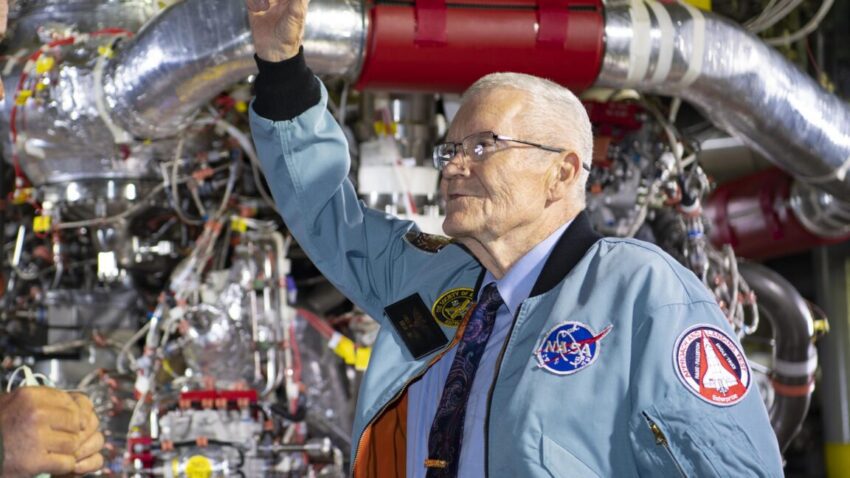
artemis ii broke fred haise s distance The Artemis II mission has set a new distance record for human spaceflight, surpassing the previous mark held by Apollo astronaut Fred Haise.
artemis ii broke fred haise s distance
Artemis II: A New Era in Lunar Exploration
With the successful circumlunar flight of Artemis II, NASA is on the brink of ushering in a new era of lunar exploration. This mission not only aims to land astronauts on the Moon within the next few years but also serves as a reminder of the historical significance of lunar travel. The Apollo missions, which took place between 1968 and 1972, remain a monumental achievement in human space exploration. However, as the last surviving Apollo astronauts age, the urgency to continue lunar exploration becomes more pronounced.
The Legacy of Apollo Missions
During the Apollo program, a total of 24 astronauts traveled to the Moon, with 12 of them walking on its surface. These missions were pivotal in expanding our understanding of the Moon and the broader universe. The last of these missions, Apollo 17, took place in December 1972, marking the end of an era. Today, only five of those astronauts are still alive, all of whom are in their 90s. As time passes, the memories of these historic missions risk fading into obscurity.
Fred Haise, one of the surviving Apollo astronauts, flew on Apollo 13, a mission that famously encountered life-threatening challenges. Despite the difficulties, Haise and his crew returned safely to Earth, and he has since become a symbol of resilience and determination in the face of adversity. As Artemis II breaks his distance record, Haise expresses a sense of pride and happiness in passing the torch to a new generation of astronauts.
Record-Breaking Achievements of Artemis II
The Artemis II mission has achieved remarkable milestones, particularly in terms of distance traveled. The four-person crew, consisting of astronauts who are all in their 40s or 50s, flew approximately 4,000 miles above the Moon’s surface. This altitude surpasses that of any previous Apollo mission, demonstrating advancements in technology and mission planning.
Moreover, the Artemis II mission set a new record for the farthest distance humans have ever traveled from Earth, reaching 252,756 miles (406,771 kilometers). This achievement underscores the capabilities of modern space exploration and the potential for future missions beyond the Moon.
The Artemis II Crew
The Artemis II crew comprises a diverse group of astronauts, each bringing unique skills and experiences to the mission. Their training has included extensive simulations and preparation for the challenges they may face during their journey. The crew members are:
- Commander: Guest, who has extensive experience in piloting spacecraft and leading missions.
- Pilot: Guest, known for their expertise in navigation and systems management.
- Mission Specialist: Guest, who has a background in scientific research and experimentation.
- Mission Specialist: Guest, an engineer with a focus on spacecraft systems and operations.
Each member of the crew has undergone rigorous training, including simulations of the mission’s various phases, from launch to lunar flyby and return to Earth. Their collective experience and teamwork will be crucial for the success of Artemis II.
Implications for Future Lunar Missions
The success of Artemis II is not just a milestone in itself; it has broader implications for future lunar missions and human exploration of space. NASA’s Artemis program aims to establish a sustainable human presence on the Moon, which could serve as a stepping stone for future missions to Mars and beyond.
Building a Sustainable Lunar Presence
One of the key objectives of the Artemis program is to create a sustainable infrastructure on the Moon. This includes the development of lunar bases, habitats, and resource utilization strategies. By establishing a permanent presence on the Moon, NASA hopes to conduct long-term scientific research and exploration, paving the way for future missions to Mars.
The Artemis program also emphasizes international collaboration, inviting partnerships with other space agencies and private companies. This collaborative approach not only enhances the capabilities of lunar exploration but also fosters a sense of global unity in the pursuit of scientific knowledge.
Technological Advancements
The Artemis II mission showcases significant advancements in space technology. The spacecraft is equipped with state-of-the-art systems designed for safety, efficiency, and performance. These innovations include improved life support systems, advanced navigation technologies, and enhanced communication capabilities.
Moreover, the Artemis program is leveraging lessons learned from previous missions, including the Apollo program and the Space Shuttle era. By integrating these experiences with modern technology, NASA aims to minimize risks and maximize the success of future missions.
Public Interest and Support
The Artemis II mission has generated considerable public interest and support for lunar exploration. As humanity prepares to return to the Moon, many people are excited about the potential discoveries and advancements that await. Public engagement initiatives, such as educational programs and outreach efforts, aim to inspire the next generation of scientists, engineers, and explorers.
Engaging Future Generations
NASA’s Artemis program is committed to engaging young people in science, technology, engineering, and mathematics (STEM). By fostering interest in these fields, NASA hopes to cultivate a new generation of innovators who will contribute to future space exploration efforts.
Educational initiatives include partnerships with schools, interactive exhibits, and online resources that allow students to learn about space exploration and the science behind it. These efforts aim to instill a sense of wonder and curiosity about the universe, encouraging young minds to pursue careers in STEM fields.
Reactions from the Space Community
The Artemis II mission has elicited a range of reactions from the space community, including former astronauts, scientists, and industry leaders. Many express enthusiasm for the mission’s achievements and the potential it holds for future exploration.
Voices from the Apollo Era
Fred Haise, along with other Apollo astronauts, has publicly expressed support for the Artemis program. Haise’s sentiment reflects a broader appreciation among former astronauts for the continued pursuit of lunar exploration. He emphasizes the importance of passing on the legacy of space exploration to future generations.
Other former astronauts have echoed similar sentiments, highlighting the significance of Artemis II in rekindling public interest in space exploration. They view the mission as a critical step toward expanding humanity’s presence in the solar system.
Industry Perspectives
Industry leaders also recognize the importance of the Artemis program for the future of space exploration. Companies involved in aerospace and technology see opportunities for collaboration and innovation as NASA seeks to establish a sustainable lunar presence. This collaboration could lead to advancements in technology, manufacturing, and resource utilization.
Conclusion
The Artemis II mission marks a significant milestone in human space exploration, breaking distance records and setting the stage for future lunar missions. As NASA prepares to return astronauts to the Moon, the legacy of the Apollo program remains alive, inspiring new generations to explore the cosmos. With advancements in technology, a commitment to sustainability, and a focus on public engagement, the Artemis program is poised to redefine humanity’s relationship with the Moon and beyond.
Source: Original report
Was this helpful?
Explore more: More General Technology Tech News Blog
Last Modified: April 26, 2026 at 3:35 am
12 views