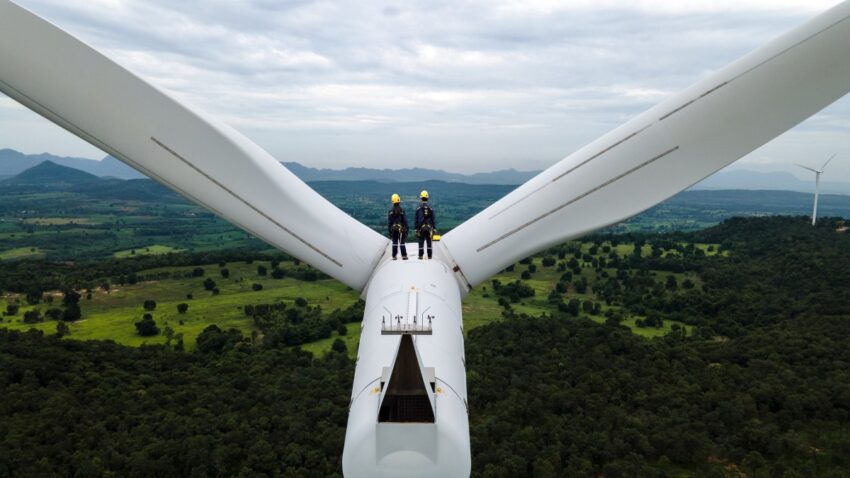
why now is the best time to Recent shifts in global expectations regarding climate change indicate that significant transformations in climate technology investment are imminent.
why now is the best time to
The Evolving Landscape of Climate Change Awareness
Over the past decade, the global perspective on climate change has undergone a profound transformation. Initially viewed as a distant concern, climate change is now recognized as an immediate and pressing issue that demands urgent action. This shift in awareness has been driven by a combination of scientific research, extreme weather events, and increased public discourse surrounding environmental sustainability.
According to the Intergovernmental Panel on Climate Change (IPCC), the impacts of climate change are already being felt worldwide, with rising temperatures, more frequent natural disasters, and shifting weather patterns. These changes have prompted governments, businesses, and individuals to reconsider their roles in mitigating climate change and adapting to its effects.
Scientific Evidence and Public Perception
The scientific community has played a crucial role in shaping public perception of climate change. Studies highlighting the correlation between human activity and climate change have gained traction, leading to a broader understanding of the urgency required to address the issue. For instance, the IPCC’s reports have underscored the need for immediate action to limit global warming to 1.5 degrees Celsius above pre-industrial levels.
As a result, public awareness campaigns and grassroots movements have emerged, advocating for sustainable practices and policies. The youth-led climate movement, exemplified by figures like Greta Thunberg, has galvanized millions to demand accountability from governments and corporations. This surge in activism has further influenced the investment landscape, as stakeholders recognize the financial implications of climate inaction.
The Investment Landscape: Opportunities and Challenges
With the growing recognition of climate change as a critical issue, the investment landscape for climate technology has become increasingly attractive. Investors are now more inclined to allocate funds toward sustainable initiatives, recognizing the potential for both financial returns and positive environmental impact.
Government Initiatives and Policy Changes
Governments around the world have begun to implement policies that encourage investment in climate technology. The European Union’s Green Deal, for example, aims to make Europe the first climate-neutral continent by 2050. This ambitious plan includes substantial funding for renewable energy projects, energy efficiency improvements, and sustainable transportation initiatives.
In the United States, the Biden administration has also prioritized climate action, proposing significant investments in clean energy and infrastructure. The Inflation Reduction Act, passed in 2022, allocates billions of dollars toward renewable energy projects, electric vehicle incentives, and energy-efficient home upgrades. These policy changes create a favorable environment for investors looking to capitalize on the growing demand for climate solutions.
The Role of Private Sector Investment
In addition to government initiatives, private sector investment in climate technology is on the rise. Venture capital firms and institutional investors are increasingly recognizing the long-term value of sustainable investments. According to a report by the Global Impact Investing Network, impact investing in climate-related projects reached a record $715 billion in 2021, reflecting a growing commitment to addressing climate change through financial means.
Notable companies are also stepping up their sustainability efforts, with many committing to net-zero emissions by 2050. Corporations like Microsoft and Amazon have pledged to invest billions in renewable energy and carbon capture technologies. This trend not only enhances their corporate social responsibility profiles but also positions them as leaders in the emerging climate tech market.
Innovations in Climate Technology
The surge in investment has spurred innovation in climate technology, leading to the development of groundbreaking solutions aimed at mitigating climate change. Several key areas are currently attracting significant attention from investors and entrepreneurs alike.
Renewable Energy Solutions
Renewable energy technologies, such as solar, wind, and hydroelectric power, are at the forefront of the climate tech revolution. As the cost of renewable energy continues to decline, these technologies are becoming increasingly competitive with fossil fuels. According to the International Renewable Energy Agency (IRENA), the global capacity for renewable energy reached 2,799 gigawatts in 2020, with solar and wind accounting for the majority of new installations.
Investments in energy storage technologies, such as batteries, are also gaining momentum. Efficient energy storage solutions are critical for managing the intermittent nature of renewable energy sources, ensuring a reliable power supply. Companies like Tesla and LG Chem are leading the charge in developing advanced battery technologies that can store energy for longer periods and at lower costs.
Carbon Capture and Storage Technologies
Carbon capture and storage (CCS) technologies are another area of focus for climate tech investors. These technologies aim to capture carbon dioxide emissions from industrial processes and store them underground, preventing them from entering the atmosphere. According to the Global CCS Institute, there are currently 26 commercial-scale CCS facilities operating worldwide, with many more in development.
Investors are increasingly recognizing the potential of CCS as a viable solution for reducing greenhouse gas emissions, particularly in hard-to-abate sectors such as cement and steel production. Companies like Climeworks and Carbon Clean Solutions are pioneering innovative CCS technologies that could play a crucial role in achieving global climate targets.
The Implications of Climate Tech Investment
The growing interest in climate technology investment carries significant implications for various stakeholders, including governments, businesses, and individuals. As more capital flows into the sector, the potential for job creation and economic growth increases, particularly in regions that prioritize sustainable development.
Job Creation and Economic Growth
Investments in climate technology are expected to create millions of jobs in the coming years. According to a report by the International Labour Organization (ILO), the transition to a low-carbon economy could generate 24 million new jobs globally by 2030. These jobs will span various sectors, including renewable energy, energy efficiency, and sustainable agriculture.
Moreover, the shift toward sustainable practices can stimulate economic growth by fostering innovation and entrepreneurship. Startups focused on climate solutions are emerging at an unprecedented rate, attracting venture capital and driving technological advancements. This entrepreneurial spirit not only addresses climate challenges but also contributes to economic resilience in the face of global uncertainties.
Challenges and Considerations
Despite the promising outlook for climate tech investment, challenges remain. Investors must navigate regulatory uncertainties, technological risks, and market volatility. Additionally, the need for collaboration among various stakeholders is paramount to ensure the successful implementation of climate solutions.
Furthermore, while the potential for financial returns is significant, investors must also consider the ethical implications of their investments. Ensuring that climate technology initiatives prioritize social equity and environmental justice is essential for fostering a sustainable future.
Conclusion: A Call to Action
The current moment presents a unique opportunity for investors to engage with climate technology and contribute to the global fight against climate change. As awareness grows and investment flows into innovative solutions, the potential for meaningful impact increases. Stakeholders must seize this moment to drive change, foster collaboration, and create a sustainable future for generations to come.
In summary, the convergence of scientific evidence, public awareness, government policies, and private sector investment has created a fertile ground for climate technology innovation. As we move forward, the imperative to invest in climate solutions has never been clearer. The time to act is now.
Source: Original report
Was this helpful?
Explore more: More Business & Startups Tech News Blog
Last Modified: November 23, 2025 at 9:36 am
19 views