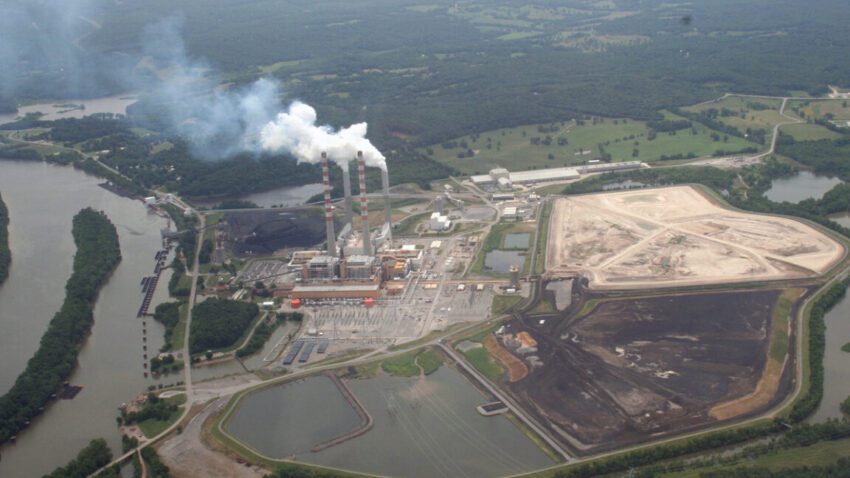
trump admin s coal investments assist plants In a significant policy shift, the Trump administration’s recent actions have led to renewed investments in coal-fired power plants, including the Cumberland Fossil Plant in Tennessee, which has faced a history of pollution and operational challenges.
trump admin s coal investments assist plants
Background on the Cumberland Fossil Plant
The Cumberland Fossil Plant, operated by the Tennessee Valley Authority (TVA), has been a focal point of environmental scrutiny for years. Located in Tennessee, this coal-fired power plant has been embroiled in legal and regulatory battles primarily due to its failure to comply with air quality standards. In 2011, the plant was part of a multibillion-dollar settlement that arose from allegations that TVA had neglected to install necessary pollution control technologies. This settlement was a response to the plant’s long-standing issues with air pollution, which had raised significant health concerns among local communities.
Regulatory agencies have cited the Cumberland plant for multiple air-pollution violations, with notable infractions reported in 2017 and again in 2023. These violations have not only highlighted the plant’s operational deficiencies but have also underscored the ongoing challenges that coal-fired power plants face in meeting modern environmental standards. The TVA had initially announced plans to retire the Cumberland units by 2026 and 2028, reflecting a broader trend in the energy sector toward phasing out older, less efficient coal plants in favor of cleaner energy sources.
Trump Administration’s Intervention
In a surprising turn of events, the Trump administration intervened in TVA’s plans by replacing four members of its board. This move was part of a broader strategy to bolster the coal industry, which has been struggling in the face of increasing competition from renewable energy sources and natural gas. Following this board reshuffle, TVA reversed its decision to retire the Cumberland plant, a decision that has raised eyebrows among environmental advocates and regulatory bodies.
Financial Implications
As part of this renewed commitment to the Cumberland Fossil Plant, TVA has secured a federal pledge of $46 million aimed at extending the plant’s operational lifespan. This funding is part of a nationwide initiative led by President Trump to keep older coal plants operational, despite their historical performance issues and environmental violations. The financial backing from the federal government is seen as a lifeline for the struggling coal industry, which has faced significant challenges in recent years due to market dynamics and regulatory pressures.
Environmental and Health Concerns
The decision to extend the life of the Cumberland plant has raised significant concerns among environmentalists and public health advocates. Critics argue that prolonging the operation of coal-fired power plants like Cumberland poses serious risks to air quality and public health. The emissions from these plants contribute to a range of health issues, including respiratory diseases, cardiovascular problems, and other serious health conditions.
Moreover, the environmental impact of coal-fired power generation is well-documented. Coal plants are among the largest sources of carbon dioxide emissions, a major contributor to climate change. By investing in and extending the life of such facilities, critics contend that the Trump administration is undermining efforts to transition to cleaner energy sources and combat climate change.
Stakeholder Reactions
The response to the Trump administration’s decision has been mixed, with various stakeholders expressing their views on the implications of this policy shift. Environmental groups have been particularly vocal in their opposition, arguing that the administration’s actions represent a step backward in the fight against climate change. They contend that investing in coal is not only detrimental to the environment but also economically unwise, as the world increasingly moves toward renewable energy solutions.
On the other hand, proponents of the coal industry argue that maintaining coal plants like Cumberland is essential for energy security and job preservation. They assert that coal remains a vital component of the energy mix, particularly in regions where it has historically played a significant role in the economy. Supporters of the administration’s approach believe that with proper investment and technological upgrades, coal plants can operate more cleanly and efficiently.
Broader Implications for the Energy Sector
The Trump administration’s focus on coal has broader implications for the energy sector as a whole. As the global energy landscape shifts toward renewable sources, the continued investment in coal-fired power plants raises questions about the future of energy policy in the United States. The decision to support aging coal facilities may hinder progress toward cleaner energy solutions and delay the transition to a more sustainable energy future.
Furthermore, the emphasis on coal could impact the competitiveness of the U.S. energy market. As other countries invest heavily in renewable energy technologies, the U.S. risks falling behind in innovation and economic growth in the clean energy sector. The long-term viability of coal as an energy source is increasingly being challenged by advancements in solar, wind, and other renewable technologies, which are becoming more cost-effective and efficient.
Future of Coal in America
The future of coal in America remains uncertain. While the Trump administration’s policies may provide temporary relief for coal plants like Cumberland, the long-term outlook for the coal industry is increasingly bleak. Market forces, regulatory pressures, and public sentiment are all moving toward cleaner energy solutions. As more states adopt renewable energy mandates and as the cost of renewable technologies continues to decline, the coal industry may find it increasingly difficult to compete.
Moreover, the ongoing legal and regulatory challenges faced by coal plants could further complicate their future. As environmental regulations become more stringent, coal plants will need to invest heavily in pollution control technologies to remain compliant. The financial burden of these upgrades may outweigh the benefits of continued operation, leading some plants to ultimately close despite federal support.
Conclusion
The Trump administration’s decision to invest in the Cumberland Fossil Plant and other coal facilities represents a significant policy shift that has sparked debate among stakeholders. While proponents argue that this approach is necessary for energy security and job preservation, critics warn of the environmental and health risks associated with prolonging the life of aging coal plants. As the energy landscape continues to evolve, the implications of these policies will be felt for years to come, shaping the future of energy production in the United States.
Source: Original report
Was this helpful?
Explore more: More Big Tech & Platforms Tech News Blog
Last Modified: June 22, 2026 at 6:35 am
6 views