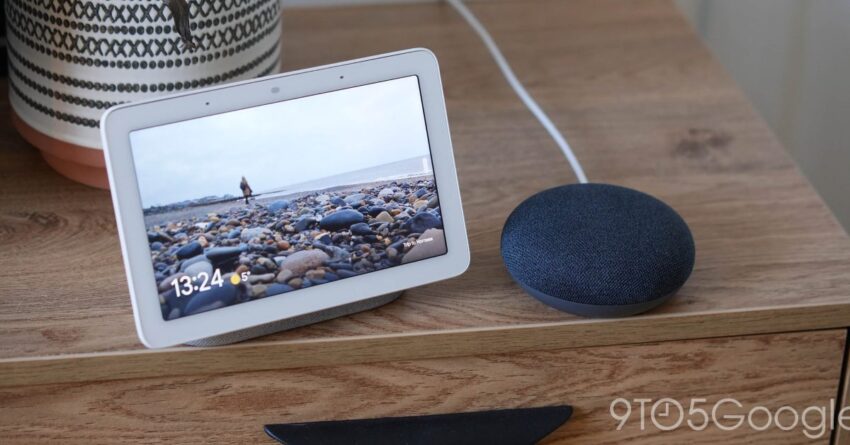
rip nest mini – the google home Google has officially announced the release date for its new Google Home Speaker, marking the end of the era for the popular Nest Mini speaker.
rip nest mini – the google home
The Transition from Nest Mini to Google Home Speaker
The Nest Mini has been a staple in many households since its launch, providing users with a compact and affordable smart speaker option. However, with the introduction of the Google Home Speaker, Google is signaling a shift in its product strategy. This transition raises questions about the future of smart speakers within the Google ecosystem and how users will adapt to the new offering.
A Brief History of the Nest Mini
Launched in 2019, the Nest Mini was designed to be an upgrade over the original Google Home Mini. It featured improved sound quality, a more powerful speaker, and a built-in wall mount. The device quickly became popular due to its affordability and integration with Google Assistant, allowing users to control smart home devices, play music, and access information through voice commands.
Over the years, the Nest Mini has been praised for its compact design and functionality. It became a go-to choice for consumers looking to dip their toes into the world of smart home technology. However, as technology evolves, so do consumer expectations, leading to the eventual need for a new product that could meet those demands.
The New Google Home Speaker
With the Google Home Speaker, Google aims to provide a more robust audio experience while maintaining the smart capabilities that users have come to expect. The new speaker is designed to deliver higher sound quality, making it suitable for a wider range of audio applications, from music streaming to podcast listening.
While the Nest Mini was primarily focused on being a smart assistant, the Google Home Speaker appears to be positioned as a more versatile audio device. This shift could appeal to a broader audience, including those who prioritize sound quality over compactness.
Implications of the Transition
The discontinuation of the Nest Mini raises several implications for both Google and its users. Understanding these implications can provide insight into the future of smart speakers and the direction Google is heading in the smart home market.
Market Positioning
By introducing the Google Home Speaker, Google is likely aiming to strengthen its position in the competitive smart speaker market. Companies like Amazon and Apple have established their own smart speakers, and Google’s new offering could help it reclaim market share. However, this strategy comes with risks, especially if the new speaker does not resonate with existing Nest Mini users.
User Adaptation
For current Nest Mini users, the transition to the Google Home Speaker may require some adjustment. While the new speaker offers enhanced features, it may not be a direct replacement for the Nest Mini in terms of size and price point. Users who appreciated the affordability and compactness of the Nest Mini may find the new speaker less appealing.
Additionally, the learning curve associated with new technology could deter some users from making the switch. Google will need to ensure that the transition is as seamless as possible, providing clear guidance on how to migrate from the Nest Mini to the Google Home Speaker.
Consumer Expectations
The introduction of the Google Home Speaker sets a new standard for consumer expectations. Users may now anticipate higher audio quality and additional features in future smart speakers. This shift could lead to increased competition among manufacturers to innovate and improve their offerings.
Stakeholder Reactions
The announcement of the Google Home Speaker has elicited a range of reactions from stakeholders, including consumers, industry analysts, and competitors.
Consumer Feedback
Initial consumer reactions have been mixed. Some users express excitement about the potential for improved sound quality and enhanced features. Others, however, are hesitant about the discontinuation of the Nest Mini, which they view as a reliable and affordable option.
Social media platforms have become a hotbed for discussions surrounding the transition. Users are sharing their experiences with the Nest Mini and voicing their concerns about the new product. Google will need to monitor these conversations closely to gauge public sentiment and address any concerns that arise.
Industry Analysts
Industry analysts have weighed in on the implications of this transition. Many believe that Google’s move to introduce a new speaker reflects a broader trend in the smart home market, where consumers are increasingly seeking devices that offer both functionality and quality. Analysts suggest that Google’s ability to successfully market the Google Home Speaker will be crucial for its success in a crowded marketplace.
Competitor Responses
Competitors in the smart speaker space are likely watching Google’s move closely. Companies like Amazon and Apple may respond by enhancing their own offerings or adjusting their marketing strategies to counter Google’s new product. This competitive landscape could lead to further innovation and improvements across the board, benefiting consumers in the long run.
Looking Ahead: The Future of Smart Speakers
The introduction of the Google Home Speaker marks a significant moment in the evolution of smart speakers. As technology continues to advance, the expectations for these devices will only grow. Google’s decision to phase out the Nest Mini indicates a commitment to innovation and improvement, but it also poses challenges that the company must navigate carefully.
Potential for Future Innovations
With the Google Home Speaker, there is potential for future innovations that could redefine the smart speaker experience. Features such as improved voice recognition, enhanced integration with smart home devices, and advanced audio capabilities could set new benchmarks in the industry. Google’s investment in research and development will be crucial in maintaining its competitive edge.
Consumer Education and Support
As Google transitions from the Nest Mini to the Google Home Speaker, consumer education will play a vital role. Providing clear information about the new product, its features, and how it differs from the Nest Mini will help users make informed decisions. Google should consider offering tutorials, FAQs, and customer support to assist users during this transition.
Long-Term Implications for Google’s Ecosystem
The discontinuation of the Nest Mini could have long-term implications for Google’s ecosystem. As the company refines its product offerings, it may also consider how these devices interact with other Google services and products. A cohesive ecosystem that seamlessly integrates various devices could enhance user experience and loyalty.
Conclusion
The end of the Nest Mini era and the introduction of the Google Home Speaker represent a pivotal moment for Google in the smart speaker market. While the transition may present challenges, it also opens the door for new opportunities and innovations. As consumers adapt to the changes, Google’s ability to effectively communicate the benefits of the new speaker will be crucial in shaping the future of its smart home offerings.
Source: Original report
Was this helpful?
Explore more: More Hardware & Devices Tech News Blog
Last Modified: June 21, 2026 at 11:36 pm
4 views