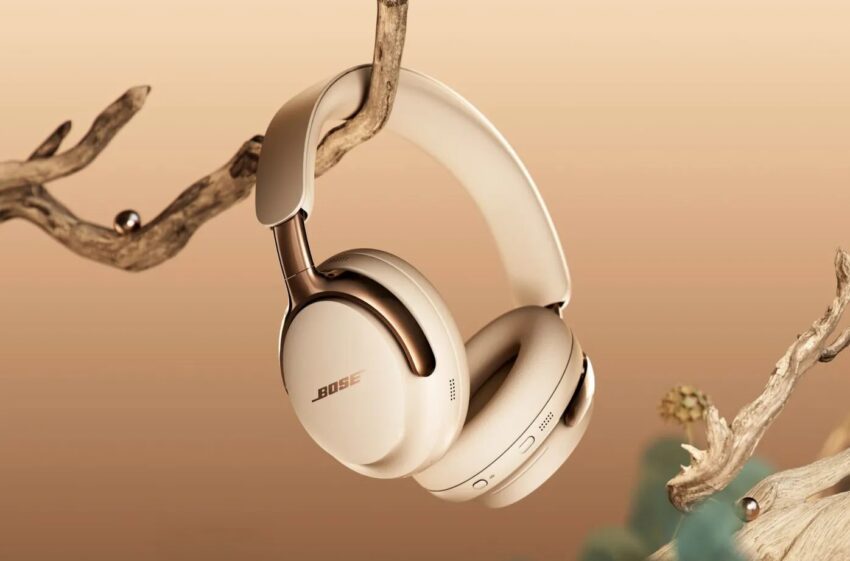
bose thinks it can be a media Bose has announced its foray into the music industry with the launch of Bose Studios, a move that raises questions about its potential success in a field historically fraught with challenges for non-traditional players.
bose thinks it can be a media
Background on Bose’s New Venture
Founded in 1964 by Dr. Amar Bose, the company has long been synonymous with high-quality audio equipment. Bose has built a reputation for innovation in sound technology, particularly in noise-canceling headphones and home audio systems. However, the company’s decision to enter the music industry marks a significant pivot from its core business of manufacturing audio devices.
In an interview with Business Insider, Bose Chief Marketing Officer Jim Mollica explained that the creation of Bose Studios is part of a broader strategy to move away from traditional “campaign-driven marketing.” This shift reflects a growing trend among brands to engage consumers through content creation rather than conventional advertising methods. By establishing a record label, Bose aims to create a more immersive experience for its customers, blending product promotion with artistic expression.
The Concept of Bose Studios
Bose Studios is envisioned as a multi-faceted media company that will not only produce music but also create various forms of content, including videos and podcasts. The initiative aims to leverage Bose’s expertise in sound and audio technology to enhance the quality and experience of the media produced under its banner.
At the heart of this venture is Bose Records, the company’s new record label. This label is expected to sign artists and produce music that aligns with Bose’s brand identity. The goal is to create a unique sound that resonates with consumers while promoting the company’s audio products. Bose’s strategy appears to be inspired by the success of brands like Red Bull, which has effectively positioned itself as a media powerhouse through its own content initiatives.
Lessons from the Past
The music industry is littered with the remnants of failed attempts by companies to establish themselves as record labels. Many brands have ventured into this space with high hopes, only to find themselves unable to compete with established players. For instance, companies like Coca-Cola and Pepsi have tried to create music labels, but their efforts often fell flat due to a lack of industry expertise and understanding of the market dynamics.
Despite Bose’s strong reputation in audio technology, the question remains: can it succeed where others have failed? The challenges are significant. The music industry is not just about producing tracks; it involves navigating complex relationships with artists, producers, and distributors. Additionally, the landscape has shifted dramatically with the rise of streaming services, which have altered how music is consumed and monetized.
Market Dynamics and Challenges
As Bose enters this competitive arena, it faces several challenges that could hinder its success. The music industry is characterized by rapid changes in consumer preferences, technological advancements, and evolving business models. Streaming platforms like Spotify and Apple Music dominate the market, making it increasingly difficult for new entrants to gain traction.
Moreover, the financial landscape of the music industry has changed significantly. Traditional revenue streams, such as album sales, have diminished, while streaming royalties often provide only a fraction of the income that artists once earned. This shift necessitates a new approach to monetization, one that Bose will need to navigate carefully.
Consumer Engagement and Brand Loyalty
One of the primary motivations behind Bose’s move into the music industry is to foster deeper connections with consumers. By producing music and related content, Bose aims to create a lifestyle brand that resonates with its audience. This strategy could enhance brand loyalty, as consumers are more likely to engage with a brand that offers them valuable content beyond just products.
However, building a loyal customer base in the music industry requires more than just producing tracks. Bose will need to invest in marketing and promotion to ensure that its artists gain visibility and traction in a crowded marketplace. This could involve collaborations with established artists, live events, and innovative marketing campaigns that leverage social media and digital platforms.
Potential Collaborations and Partnerships
To increase its chances of success, Bose may consider forming strategic partnerships with established players in the music industry. Collaborating with experienced producers, artists, and marketing agencies could provide valuable insights and resources that Bose currently lacks. Such partnerships could also enhance the credibility of Bose Records, making it more appealing to artists looking for a label that can effectively promote their work.
Additionally, Bose could explore collaborations with streaming platforms to ensure that its music reaches a wider audience. By partnering with platforms like Spotify or Apple Music, Bose could leverage their extensive user bases to promote its artists and content more effectively.
Implications for the Audio Industry
Bose’s venture into the music industry could have broader implications for the audio industry as a whole. As brands increasingly seek to diversify their offerings, the lines between product and content are becoming increasingly blurred. This trend could lead to a new wave of brand-driven media companies that challenge traditional music labels and redefine how music is produced and consumed.
Furthermore, if Bose succeeds in its endeavor, it could inspire other technology companies to follow suit. Brands with strong reputations in related fields may see opportunities to create their own media divisions, leading to a more competitive landscape in both the music and audio industries.
Stakeholder Reactions
The announcement of Bose Studios has elicited a range of reactions from industry stakeholders. Some experts view this move as a bold and innovative strategy that could pay off if executed correctly. They argue that Bose’s expertise in audio technology positions it uniquely to create high-quality music that enhances the listening experience.
Conversely, skeptics caution that Bose may be overestimating its ability to navigate the complexities of the music industry. The challenges of artist management, distribution, and promotion are significant, and many believe that Bose’s core competencies may not translate effectively into this new domain.
Conclusion: A Risky but Potentially Rewarding Move
Bose’s entry into the music industry through Bose Studios represents a significant shift in its business strategy. While the company has a strong foundation in audio technology, the challenges of establishing a successful record label cannot be underestimated. The music industry is notoriously difficult to navigate, and many brands have failed in their attempts to break into this space.
However, if Bose can leverage its expertise, form strategic partnerships, and create compelling content, it may carve out a niche for itself in the competitive landscape of music. As the lines between technology and media continue to blur, Bose’s venture could serve as a case study for other brands looking to diversify their offerings and engage consumers in new ways.
Source: Original report
Was this helpful?
Explore more: More Consumer Technology Tech News Blog
Last Modified: June 22, 2026 at 6:36 am
6 views