the china-us deal for tiktok could take The ongoing negotiations regarding TikTok’s future in the United States may take another month to finalize, as both the US and China work towards a potential agreement.
the china-us deal for tiktok could take
Current Status of TikTok’s Negotiations
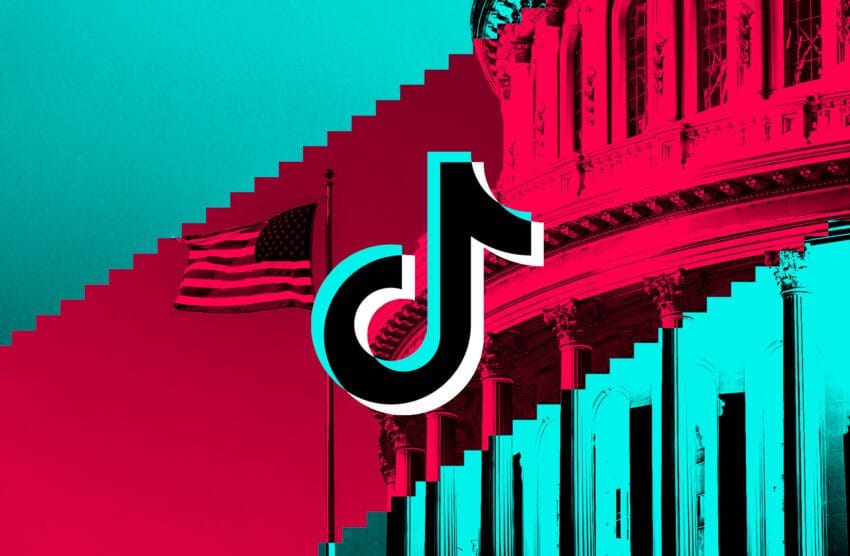
Recent reports indicate that TikTok may not finalize its deal to sell its US operations for at least another month. According to sources cited by CNBC’s David Faber, the US and China are expected to close on an agreement within the next 30 to 45 days. In this arrangement, Oracle will continue to serve as TikTok’s cloud partner, ensuring that US user data is routed through American servers. This step is crucial for addressing the national security concerns that have surrounded the app since it became a focal point of US-China relations.
Government Statements and Framework Deal
On Monday, Treasury Secretary Scott Bessent informed reporters that the US and China have reached a “framework deal” regarding TikTok. This announcement comes at a critical juncture, as President Donald Trump is expected to confirm the deal on Friday—just two days after TikTok’s latest deadline for divestiture expires. The urgency of this situation is underscored by the fact that Trump has already granted TikTok three extensions to negotiate a deal, raising questions about whether he will allow for another extension while the company works to finalize an agreement.
Legislative Background and National Security Concerns
The uncertainty surrounding TikTok’s future in the US can be traced back to the passage of the Protecting Americans from Foreign Adversary Controlled Applications Act. This legislation mandates that TikTok must divest from its Chinese parent company, ByteDance, or face a potential ban in the US due to national security concerns. The act reflects a broader apprehension regarding foreign influence and data security, particularly in the context of apps that collect vast amounts of user data.
As TikTok’s popularity surged, so did scrutiny from US lawmakers and regulators. Concerns about the app’s data handling practices, particularly regarding the potential for user data to be accessed by the Chinese government, have fueled calls for stricter regulations. The Protecting Americans from Foreign Adversary Controlled Applications Act is a direct response to these fears, aiming to safeguard American users from perceived threats posed by foreign-owned applications.
Implications of the Framework Deal
The framework deal reached between the US and China could have significant implications for TikTok’s operations in the US. By allowing Oracle to remain as the cloud partner, the deal aims to alleviate concerns about data security while still enabling TikTok to operate in the American market. This arrangement could serve as a model for how other foreign-owned tech companies navigate similar challenges in the future.
Potential Changes to TikTok’s Operations
Reports have emerged suggesting that the US and China have reached an agreement on the “licensing of TikTok’s algorithms and other intellectual property rights.” This development raises questions about how TikTok may adapt its operations in the US. Previous discussions indicated that TikTok could launch a separate version of its app specifically for US users, potentially altering the user experience and content moderation practices.
Investment Firms and Ownership Structure
As negotiations continue, a group of investment firms, including some existing shareholders of ByteDance, could gain control of TikTok’s US operations. This potential shift in ownership structure could lead to changes in how the app is managed and how it interacts with its parent company. Trump confirmed on Tuesday that “we have a group of very big companies that want to buy it,” according to Reuters, indicating strong interest from the investment community.
Faber noted during CNBC’s Squawk on the Street that the deal may be “relatively small in terms of the actual size of the checks that are written for the entity itself,” suggesting that the financial implications of the deal may not be as significant as initially anticipated. This raises questions about the long-term viability of TikTok under new ownership and how it will navigate the competitive landscape of social media.
Stakeholder Reactions and Future Outlook
The reactions from various stakeholders regarding TikTok’s potential sale and the ongoing negotiations have been mixed. On one hand, investors and companies interested in acquiring TikTok’s US operations see an opportunity to capitalize on the app’s immense popularity and user base. On the other hand, concerns remain about the implications of foreign ownership and the potential for data misuse.
Public Sentiment and User Concerns
Public sentiment towards TikTok has been largely positive, with millions of users engaging with the platform daily. However, the ongoing discussions about its ownership and data practices have led to increased scrutiny from users who are concerned about their privacy. Many users are apprehensive about how their data is being used and whether it could be accessed by foreign entities.
As negotiations progress, TikTok will need to address these concerns effectively to maintain user trust. Transparency regarding data handling practices and the steps taken to ensure user privacy will be critical in reassuring users that their information is secure.
Conclusion: The Path Forward for TikTok
The future of TikTok in the US remains uncertain as negotiations continue between the US and China. With a framework deal in place and Oracle set to remain as the cloud partner, the app may have a path forward that allows it to operate in the American market while addressing national security concerns. However, the timeline for finalizing the deal is still unclear, and stakeholders will be closely monitoring developments in the coming weeks.
As TikTok navigates this complex landscape, it will be essential for the company to engage with users, investors, and regulators to build confidence in its operations. The outcome of these negotiations could set a precedent for how foreign-owned tech companies operate in the US and how they manage the delicate balance between business interests and national security.
Source: Original report
Was this helpful?
Explore more: More Big Tech & Platforms Tech News Blog
Last Modified: September 16, 2025 at 8:40 pm
9 views