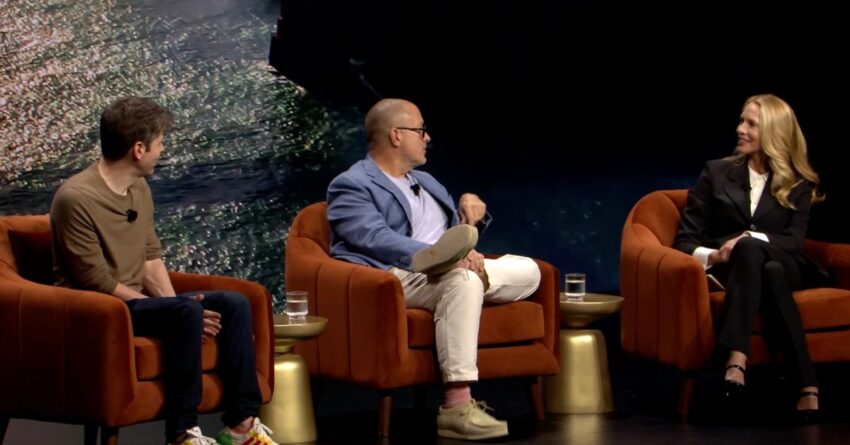
court sides with iyo in trademark fight The United States District Court for the Northern District of California has granted iyO’s preliminary injunction request, preventing OpenAI and Jony Ive’s new hardware venture from using the io branding.
court sides with iyo in trademark fight
Background of the Case
The legal dispute centers around the use of the “io” branding, which has been a point of contention between iyO, a company specializing in innovative technology solutions, and OpenAI, a leading artificial intelligence research organization co-founded by Elon Musk and Sam Altman. Jony Ive, the former Chief Design Officer of Apple, is also involved in this case as he has partnered with OpenAI to develop new hardware products. The conflict raises significant questions about trademark rights, branding, and the implications for both companies moving forward.
The Trademark Dispute
iyO filed for a preliminary injunction in early April 2026, arguing that OpenAI’s use of the “io” branding could confuse consumers and dilute iyO’s brand identity. The company contended that it had established significant goodwill associated with its name and that the introduction of a similarly branded product by a high-profile entity like OpenAI could lead to consumer confusion.
In its filing, iyO provided evidence of its existing trademarks and the marketing efforts that have contributed to its brand recognition. The company highlighted its unique offerings in the tech space, which include software and hardware solutions aimed at enhancing user experiences. The argument was bolstered by the assertion that OpenAI’s high-profile nature could overshadow iyO, leading to potential financial harm.
OpenAI’s Position
OpenAI, on the other hand, argued that the “io” branding was a natural choice for its new hardware venture, which focuses on input-output technologies. The organization claimed that the term “io” is widely used in the tech industry, particularly in reference to input and output processes, and therefore should not be exclusively associated with iyO. OpenAI maintained that its use of the branding would not cause confusion among consumers, as its products are distinctly different from those offered by iyO.
OpenAI’s legal team emphasized that the company had conducted thorough market research prior to adopting the “io” branding and believed that it would not infringe upon iyO’s trademark rights. They argued that the court should consider the broader context of the tech industry, where terms like “io” are commonplace and often used by multiple entities without legal repercussions.
The Court’s Decision
After reviewing the arguments presented by both parties, the United States District Court for the Northern District of California ruled in favor of iyO, granting the preliminary injunction. The court found that iyO had established a likelihood of success on the merits of its trademark claims, which warranted the injunction against OpenAI and Jony Ive’s use of the “io” branding.
Key Factors in the Ruling
The court’s decision was influenced by several key factors:
- Consumer Confusion: The court acknowledged that there was a significant likelihood of consumer confusion between iyO’s established brand and OpenAI’s proposed use of “io.” This was particularly relevant given the high-profile nature of both companies and their overlapping target audiences.
- Brand Recognition: iyO demonstrated that it had built a strong brand identity over the years, which included a loyal customer base and recognition within the tech community. The court recognized the potential harm that could arise from OpenAI’s use of a similar branding.
- Market Impact: The court considered the potential impact on iyO’s business if OpenAI were allowed to proceed with its branding. The ruling indicated that allowing OpenAI to use “io” could lead to significant financial losses and damage to iyO’s reputation.
Implications for Both Companies
The ruling has significant implications for both iyO and OpenAI. For iyO, the decision reinforces its trademark rights and provides a level of protection against larger competitors attempting to encroach on its brand identity. This victory could bolster iyO’s position in the market, allowing it to continue its growth without the threat of dilution from a high-profile competitor.
For OpenAI, the ruling presents challenges as it seeks to establish its hardware venture. The company will need to reconsider its branding strategy and may have to invest additional resources into developing a new name that does not infringe upon iyO’s trademark. This could delay the launch of its hardware products and impact its overall market strategy.
Stakeholder Reactions
iyO’s Response
Following the court’s decision, iyO expressed satisfaction with the ruling. In a statement, the company’s CEO emphasized the importance of protecting its brand and the hard work that has gone into building its identity in the tech landscape. The CEO stated, “This ruling affirms our commitment to innovation and our dedication to our customers. We will continue to fight for our brand and ensure that our unique offerings are not overshadowed by larger entities.” This sentiment reflects iyO’s determination to maintain its market position and protect its intellectual property.
OpenAI’s Reaction
OpenAI, while disappointed with the ruling, acknowledged the court’s decision and expressed its commitment to complying with the injunction. A spokesperson for the organization stated, “We respect the court’s ruling and will explore alternative branding options for our hardware venture. Our focus remains on delivering innovative solutions that enhance user experiences.” This response indicates OpenAI’s willingness to adapt and find a path forward despite the setback.
Broader Context and Industry Implications
This case is not just a legal battle between two companies; it highlights broader issues within the technology industry regarding trademark rights and branding. As technology continues to evolve, the competition for brand recognition becomes increasingly fierce. Companies must navigate a complex landscape where terms and phrases can have overlapping meanings, leading to potential legal disputes.
The ruling also raises questions about the responsibilities of larger companies in relation to smaller competitors. As seen in this case, the actions of a high-profile entity like OpenAI can have significant ramifications for smaller firms. The outcome of this dispute may encourage other startups to be more vigilant in protecting their trademarks and brand identities, knowing that they can stand up against larger competitors.
Future Legal Precedents
The case may set important legal precedents regarding trademark disputes in the tech industry. Courts will likely continue to scrutinize the likelihood of consumer confusion and the strength of brand recognition as key factors in trademark cases. This ruling could influence how future cases are adjudicated, particularly in industries where branding plays a critical role in consumer perception and market success.
Conclusion
The court’s decision to grant iyO a preliminary injunction against OpenAI and Jony Ive’s use of the “io” branding marks a significant moment in the ongoing conversation about trademark rights in the technology sector. As both companies navigate the implications of this ruling, the case serves as a reminder of the importance of protecting intellectual property and the challenges that arise in a competitive landscape. The outcome will undoubtedly shape the future strategies of both iyO and OpenAI, as they seek to innovate and thrive in an ever-evolving market.
Source: Original report
Was this helpful?
Explore more: More Business & Startups Tech News Blog
Last Modified: April 25, 2026 at 5:47 am
16 views