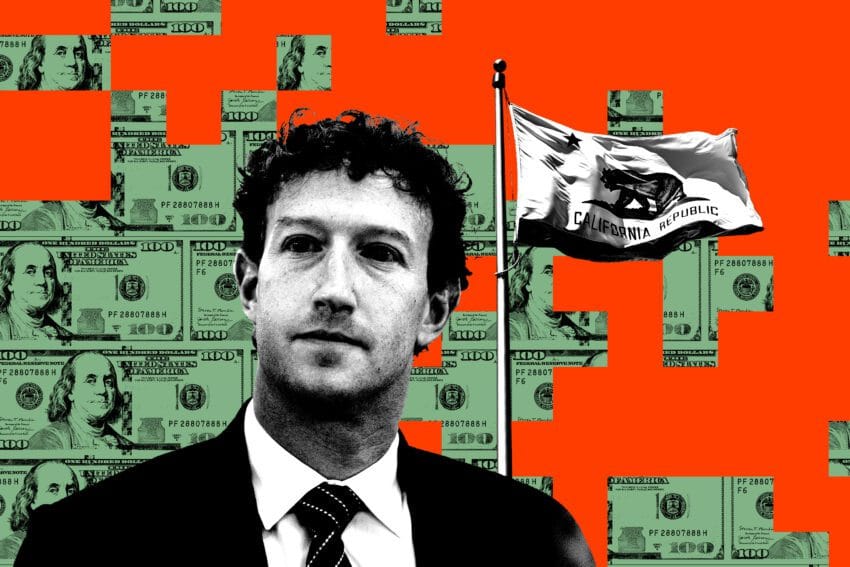
meta created its own super pac to Meta has established a super PAC aimed at influencing political outcomes in favor of its artificial intelligence initiatives.
meta created its own super pac to
Background on Super PACs and AI Influence
In the realm of American politics, super PACs have emerged as powerful tools for shaping electoral outcomes. These political action committees can raise and spend unlimited amounts of money to advocate for or against political candidates, provided they operate independently of the candidates’ campaigns. The Supreme Court’s 2010 decision in Citizens United v. FEC paved the way for the proliferation of super PACs, allowing corporations and unions to spend freely on political advertising. This ruling has significantly altered the landscape of political financing, enabling entities like Meta to exert considerable influence over elections.
As artificial intelligence technology continues to evolve and permeate various sectors, the stakes are high for companies involved in AI development. The political landscape is increasingly being shaped by the interests of tech giants, who seek to protect their innovations and secure favorable regulatory environments. In this context, the establishment of super PACs by these companies is not merely a trend but a strategic maneuver to safeguard their interests.
The Emergence of Pro-AI Super PACs
In late August, the announcement of two pro-AI super PACs marked a significant moment in the intersection of technology and politics. Both PACs aimed to influence the upcoming midterm elections, highlighting the growing importance of AI in political discourse.
Traditional Super PAC
The first super PAC, which was more conventional in its approach, was launched with a robust public relations campaign. It garnered attention through a press release that outlined its mission to support candidates who advocate for AI-friendly policies. Major industry players pledged over $100 million to fund this initiative, signaling a united front among tech companies that recognize the potential of AI to transform industries and society.
Meta’s Unique Approach
In contrast, Meta’s super PAC, named Mobilizing Economic Transformation Across (Meta) California, took a more discreet approach. Unlike its counterpart, Meta’s PAC is state-specific, focusing solely on California. This strategic choice reflects the company’s desire to concentrate its efforts in a region that is not only a hub for technological innovation but also a critical battleground for regulatory discussions surrounding AI.
By creating a super PAC that allows it to spend its own money on political advertisements, Meta aims to amplify its voice in the political arena. The PAC is designed to advocate for policies that align with Meta’s interests in AI, thereby ensuring that the company can influence the regulatory landscape in a way that benefits its business objectives.
Implications of Meta’s Super PAC
The establishment of Meta’s super PAC raises several important questions about the implications of corporate influence in politics, particularly in the rapidly evolving field of AI.
Regulatory Landscape
As AI technology advances, regulatory scrutiny is intensifying. Governments worldwide are grappling with how to manage the ethical and societal implications of AI. By funding political campaigns and candidates who support pro-AI policies, Meta aims to shape the regulatory environment in its favor. This could lead to a more favorable landscape for AI development, potentially stifling regulations that could hinder innovation.
Potential Backlash
However, this strategy is not without risks. The public’s perception of corporate influence in politics is often negative, and Meta’s involvement in political advertising could provoke backlash. Critics may argue that such actions undermine democratic processes and prioritize corporate interests over public welfare. This could lead to increased scrutiny of Meta’s practices and a potential erosion of trust among consumers and stakeholders.
Stakeholder Reactions
The formation of Meta’s super PAC has elicited a range of reactions from various stakeholders, including industry experts, political analysts, and advocacy groups.
Industry Experts
Many industry experts view Meta’s decision to create a super PAC as a strategic move that reflects the growing importance of AI in the political landscape. They argue that as AI technologies become more integrated into everyday life, it is essential for companies to advocate for policies that promote innovation while addressing ethical concerns. Some experts believe that Meta’s involvement could lead to a more informed public debate about AI and its implications.
Political Analysts
Political analysts have noted that Meta’s super PAC could significantly impact the midterm elections, particularly in California, where the company is headquartered. The state’s political climate is already heavily influenced by tech companies, and Meta’s financial backing could sway key races in favor of candidates who align with its interests. This could lead to a shift in the political landscape, with more candidates advocating for AI-friendly policies.
Advocacy Groups
On the other hand, advocacy groups concerned about corporate influence in politics have expressed alarm over Meta’s actions. They argue that the establishment of super PACs by tech giants could drown out the voices of ordinary citizens and prioritize corporate interests over public welfare. These groups are likely to mobilize in response, advocating for greater transparency in political financing and pushing for regulations that limit corporate influence in elections.
Looking Ahead: The Future of AI and Politics
The intersection of AI and politics is poised for further evolution as technology continues to advance. Meta’s establishment of a super PAC is just one example of how tech companies are seeking to navigate this complex landscape. As AI becomes increasingly integrated into various sectors, the need for thoughtful regulation and ethical considerations will only grow.
Potential for Collaboration
While the creation of super PACs may raise concerns about corporate influence, there is also potential for collaboration between tech companies and policymakers. By engaging in constructive dialogue, both parties can work towards developing regulations that foster innovation while addressing societal concerns. This collaborative approach could lead to a more balanced regulatory framework that benefits both the industry and the public.
Public Engagement
As the political landscape evolves, public engagement will be crucial. Citizens must remain informed about the implications of AI and the role of corporate influence in politics. Advocacy for transparency and accountability in political financing will be essential to ensure that the voices of ordinary citizens are not overshadowed by corporate interests.
Conclusion
Meta’s creation of a super PAC to support its AI interests marks a significant development in the intersection of technology and politics. As the company seeks to influence the regulatory landscape in its favor, the implications of corporate involvement in politics will continue to be a topic of debate. Stakeholders from various sectors will need to navigate this evolving landscape carefully, balancing the need for innovation with the imperative of ethical governance.
Source: Original report
Was this helpful?
Explore more: AI Automation Services More AI & Automation Tech News
Last Modified: September 16, 2025 at 8:39 pm
8 views