youtube is inching closer to becoming a YouTube is evolving its platform with new monetization features aimed at transforming how creators generate revenue from their content.
youtube is inching closer to becoming a
YouTube’s Vision for the Future
During its recent Made On event, YouTube unveiled a series of innovative features designed to reshape the landscape of content creation and monetization on the platform. These developments signal a strategic shift towards integrating e-commerce capabilities directly into the video streaming experience, effectively positioning YouTube as a potential shopping channel for its vast user base. As the platform looks ahead to the next 20 years, these changes are expected to significantly impact how creators engage with their audiences and monetize their content.
New Monetization Features
The new monetization features introduced by YouTube are set to enhance the ways in which creators can earn money from their videos. Among the most notable updates are:
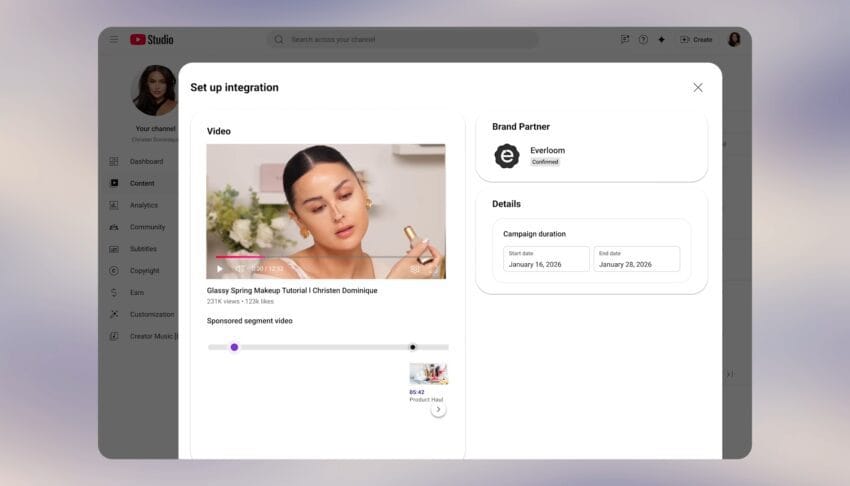
- Dynamically Inserted Brand Segments: YouTube is introducing support for dynamically inserting brand segments into videos. This feature allows creators to swap out sponsored ads over time, enabling them to resell advertising slots to different brands in the future. This flexibility means that long-form videos will no longer be tied to a single product ad indefinitely. YouTube plans to begin testing this feature in early 2024, with a broader rollout expected by 2026.
- AI Tagging Feature: An AI-driven tagging feature will automatically identify and tag eligible products mentioned in videos. This technology will leverage image recognition, voiceover analysis, and input from creators to streamline the tagging process. YouTube has announced that this feature will start rolling out to eligible creators in the United States over the next year, making it easier for viewers to discover products featured in videos.
- Linking to Brand Websites on YouTube Shorts: Creators will soon have the ability to link directly to a brand’s website from their YouTube Shorts. This feature is set to begin testing later this year, with a full launch expected next year. This capability will allow creators to direct viewers to recommended products, further integrating commerce into the platform.
- Exclusive Merchandise for Top Viewers: YouTube is also experimenting with a feature that will allow top viewers to purchase exclusive merchandise from their favorite creators. Although this feature began testing earlier this year, specific details regarding its availability remain unclear.
Implications for Creators
The introduction of these monetization features presents both opportunities and challenges for content creators. On one hand, the ability to dynamically insert brand segments provides creators with greater flexibility in managing their sponsorships. This could lead to increased revenue opportunities as creators can adapt their content to align with changing brand partnerships.
On the other hand, the reliance on AI for tagging products may raise concerns about accuracy and the potential for misrepresentation. Creators will need to ensure that the products tagged in their videos align with their content and audience expectations. Additionally, the integration of e-commerce features may shift the focus of some creators from content creation to sales, potentially altering the nature of their engagement with viewers.
Livestreaming Enhancements
YouTube also announced several upcoming changes aimed at enhancing the livestreaming experience for both creators and viewers. These enhancements are designed to make livestreaming more interactive and engaging, further solidifying YouTube’s position as a leading platform for real-time content.
New AI Features for Content Creators
In addition to the monetization and livestreaming updates, YouTube is rolling out new AI features aimed at assisting content creators in their production processes. These features are expected to streamline the creation of high-quality content, making it easier for creators to produce engaging videos that resonate with their audiences.
While specific details about these AI features have yet to be disclosed, the potential applications are vast. From automated editing tools to enhanced analytics, AI could play a crucial role in helping creators optimize their content and reach wider audiences. As technology continues to evolve, creators who embrace these tools may find themselves at a competitive advantage in the ever-changing landscape of digital content.
Stakeholder Reactions
The introduction of these new features has garnered varied reactions from stakeholders within the YouTube community. Many creators have expressed enthusiasm about the potential for increased revenue through dynamic ad placements and AI tagging. The ability to link directly to brand websites on YouTube Shorts is also seen as a positive step towards integrating e-commerce into the platform.
However, some creators have voiced concerns regarding the implications of these changes on their content. The reliance on AI for tagging products raises questions about the accuracy and relevance of the tags applied to their videos. Additionally, there are concerns that the focus on monetization could detract from the authenticity of content, as creators may feel pressured to prioritize product placements over genuine storytelling.
Viewer Perspectives
From a viewer’s perspective, the integration of shopping features into YouTube could enhance the overall experience. The ability to easily discover and purchase products featured in videos may streamline the shopping process, making it more convenient for consumers. However, there is also the potential for viewer fatigue if they feel overwhelmed by constant product placements and advertisements.
As YouTube continues to evolve, it will be essential for the platform to strike a balance between monetization and maintaining a positive user experience. Ensuring that content remains engaging and authentic will be crucial in retaining viewer trust and loyalty.
The Future of YouTube as a Shopping Channel
The developments announced at the Made On event indicate a clear trajectory towards positioning YouTube as a shopping channel. As e-commerce continues to grow, platforms that can seamlessly integrate shopping experiences into their content will likely thrive. YouTube’s efforts to incorporate these features suggest that the platform is not only adapting to changing consumer behaviors but also actively shaping the future of online shopping.
As creators begin to leverage these new monetization tools, it will be interesting to observe how they adapt their content strategies to align with the evolving landscape. The success of these features will depend on their ability to enhance the viewer experience while providing creators with meaningful opportunities for revenue generation.
Conclusion
In conclusion, YouTube’s recent announcements signal a significant shift in how creators can monetize their content. With the introduction of dynamic ad placements, AI tagging, and e-commerce capabilities, the platform is positioning itself as a leader in the intersection of content creation and online shopping. As these features roll out over the coming years, both creators and viewers will need to navigate the evolving landscape of digital content and commerce.
Source: Original report
Was this helpful?
Explore more: More Big Tech & Platforms Tech News Blog
Last Modified: September 16, 2025 at 8:41 pm
15 views