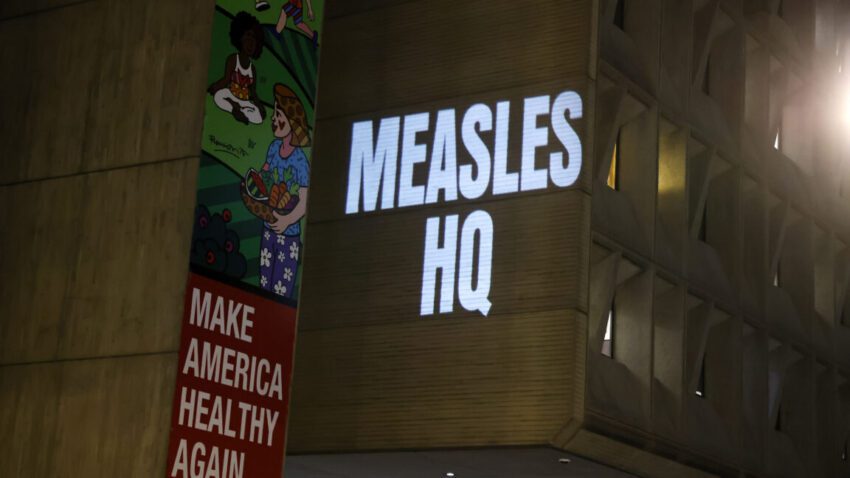
south carolina tops texas measles outbreak record-with The ongoing measles outbreak in South Carolina has surpassed previous records, raising significant public health concerns across the United States.
south carolina tops texas measles outbreak record-with
Overview of the Outbreak
The measles outbreak in South Carolina has escalated dramatically, with the number of confirmed cases reaching 789. This figure surpasses the previous record set by Texas in 2025, which reported 762 cases. The Texas outbreak was notable for being the largest in the U.S. since measles was declared eliminated in the country in 2000. The current situation in South Carolina poses a serious threat to the nation’s elimination status, which could be jeopardized if the outbreak continues to spread unchecked.
Historical Context
Measles was declared eliminated in the United States in 2000, thanks to widespread vaccination efforts. However, outbreaks have occurred in recent years, primarily fueled by vaccine hesitancy and misinformation. The outbreak in Texas last year, which lasted from January to August, was particularly alarming as it not only affected Texas but also spread to other states. In total, the U.S. recorded 2,255 confirmed measles cases in 2025, marking the highest number since 1991.
The resurgence of measles in the U.S. has raised alarms among public health officials, who fear that the country could lose its hard-won elimination status. The Centers for Disease Control and Prevention (CDC) has emphasized the importance of vaccination in preventing such outbreaks. The current situation in South Carolina underscores the critical need for continued vigilance and public health interventions.
Current Situation in South Carolina
The outbreak in South Carolina began in October 2025, but the number of cases has surged dramatically in January 2026. As of January 27, the number of confirmed cases jumped from 218 on December 28 to 789. This rapid increase highlights the contagious nature of measles and the challenges faced by health authorities in controlling its spread.
Impact on Schools and Communities
The outbreak has affected 23 schools across the state, leading to over 550 individuals being quarantined. Schools are particularly vulnerable to outbreaks due to the close contact among students and staff. Quarantine measures are essential to prevent further transmission, but they also disrupt education and community activities.
Parents and guardians are understandably concerned about the safety of their children. Many are questioning the effectiveness of vaccination programs and the information they receive about vaccines. Public health officials are working to address these concerns through community outreach and education, emphasizing the importance of vaccination in preventing outbreaks.
Public Health Response
The South Carolina Department of Health and Environmental Control (DHEC) is actively involved in managing the outbreak. The agency has implemented several strategies to contain the spread of measles, including:
- Increasing vaccination efforts, particularly in communities with low vaccination rates.
- Conducting outreach programs to educate the public about the importance of vaccines.
- Collaborating with schools to ensure that students are vaccinated and to monitor for any additional cases.
- Issuing public health advisories to inform residents about the outbreak and preventive measures.
Despite these efforts, the rapid increase in cases suggests that more needs to be done to combat vaccine hesitancy and misinformation. Public health officials are urging communities to come together to support vaccination initiatives and to dispel myths surrounding vaccines.
Vaccine Hesitancy and Misinformation
Vaccine hesitancy remains a significant barrier to achieving herd immunity, which is crucial for preventing outbreaks. Misinformation about vaccines, often spread through social media and other platforms, has contributed to declining vaccination rates in some communities. Public health campaigns are essential to counteract these narratives and provide accurate information about the safety and efficacy of vaccines.
Health experts emphasize that vaccines are one of the most effective tools in preventing infectious diseases. The measles vaccine, in particular, is highly effective, with two doses providing approximately 97% immunity. However, for herd immunity to be achieved, a vaccination rate of about 95% is necessary. The current outbreak in South Carolina serves as a stark reminder of the consequences of falling below this threshold.
Looking Ahead: Implications for Public Health
The situation in South Carolina raises critical questions about the future of public health in the U.S. If the outbreak continues to grow, it could have far-reaching implications for vaccination policies and public health strategies. The potential loss of measles elimination status could lead to increased scrutiny of vaccination programs and renewed efforts to address vaccine hesitancy.
Potential Policy Changes
In response to the outbreak, policymakers may consider implementing stricter vaccination requirements for school attendance. Some states have already taken steps to tighten vaccine exemption laws, particularly for non-medical exemptions. These measures aim to increase vaccination rates and protect vulnerable populations, including those who cannot be vaccinated for medical reasons.
Additionally, public health officials may advocate for increased funding for vaccination programs and outreach initiatives. Ensuring that communities have access to vaccines and accurate information is crucial in preventing future outbreaks.
Community Engagement and Support
Community engagement will be vital in addressing the current outbreak and preventing future ones. Local organizations, healthcare providers, and schools can play a significant role in promoting vaccination and educating the public. Collaborative efforts can help build trust and encourage individuals to vaccinate their children.
Public health campaigns should focus on sharing personal stories from families who have experienced the consequences of measles, as well as testimonials from healthcare professionals about the importance of vaccination. By humanizing the issue, these campaigns can resonate more deeply with the public and encourage vaccination.
Conclusion
The measles outbreak in South Carolina serves as a critical reminder of the importance of vaccination and public health vigilance. As the number of cases continues to rise, it is imperative for communities, healthcare providers, and policymakers to work together to address vaccine hesitancy and ensure that accurate information is disseminated. The potential loss of measles elimination status is a serious concern that underscores the need for immediate action to protect public health.
The situation in South Carolina is still evolving, and public health officials are closely monitoring the outbreak. Continued efforts to promote vaccination and educate the public will be essential in controlling the spread of measles and preventing future outbreaks.
Source: Original report
Was this helpful?
Explore more: More General Technology Tech News Blog
Last Modified: January 29, 2026 at 1:42 am
12 views