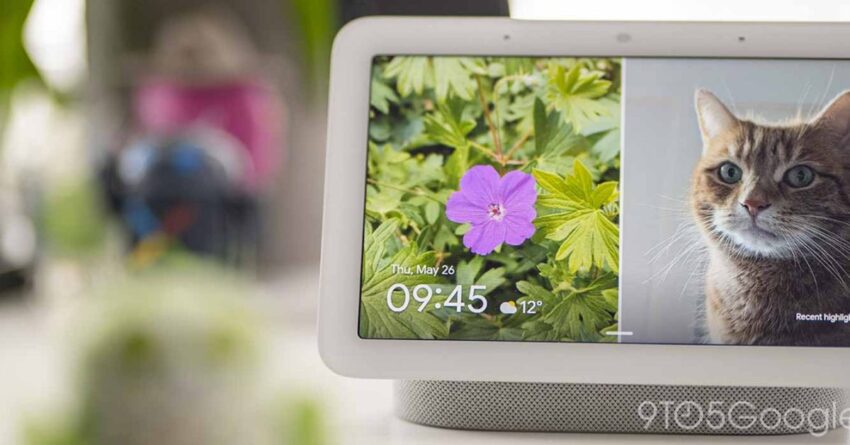
google home display appears hopefully as a A new device referred to as the “Google Home Display” has surfaced in the code of the Google app, indicating that Google may be developing a successor to its Nest Hub line of smart displays.
google home display appears hopefully as a
Emerging Details of the Google Home Display
As technology enthusiasts eagerly await the next iteration of Google’s smart home devices, the appearance of the “Google Home Display” in the Google app code has sparked significant interest. This development comes just ahead of the anticipated release of the Google Home Speaker, suggesting that Google is not only focused on audio devices but also on enhancing its visual smart home offerings.
The code snippets revealed in the Google app indicate that the Google Home Display could serve as a versatile device, potentially combining the functionalities of the Nest Hub with new features that align with evolving consumer needs. While specific details about the device remain sparse, the implications of its development could be far-reaching, particularly in the context of smart home integration and user experience.
Context of Smart Displays in the Market
Smart displays have become increasingly popular in recent years, with devices like the Amazon Echo Show and the Facebook Portal gaining traction among consumers. These devices not only provide voice-activated assistance but also offer visual interfaces for a range of applications, including video calls, streaming media, and smart home control. Google’s Nest Hub has been a key player in this market, known for its integration with Google Assistant and its ability to manage smart home devices seamlessly.
The introduction of the Google Home Display suggests that Google is looking to enhance its competitive edge in this growing market. By potentially introducing a new device that builds on the strengths of the Nest Hub, Google may aim to capture a larger share of the smart display market, which is projected to continue expanding as more consumers adopt smart home technologies.
Potential Features of the Google Home Display
While the exact specifications and features of the Google Home Display are not yet confirmed, several possibilities can be inferred based on current trends in smart display technology and user expectations. Here are some potential features that could be included:
- Enhanced Display Quality: The Google Home Display may feature a higher resolution screen, providing clearer visuals for video calls, streaming, and displaying information.
- Improved Smart Home Integration: With the growing number of smart home devices, the new display could offer enhanced compatibility and control options, allowing users to manage their home environment more efficiently.
- Advanced Voice Recognition: Building on Google Assistant’s capabilities, the device may include improved voice recognition technology, enabling it to understand commands more accurately even in noisy environments.
- Multi-User Support: The ability to recognize different users and tailor responses and content accordingly could be a significant feature, enhancing personalization for households with multiple users.
- Expanded App Ecosystem: The Google Home Display may support a wider range of applications, allowing users to access various services, from entertainment to productivity tools, directly from the device.
Implications for Google’s Ecosystem
The introduction of the Google Home Display could have several implications for Google’s broader ecosystem. First, it may strengthen the integration of Google services, such as YouTube, Google Photos, and Google Calendar, into everyday life. By providing a dedicated device for these services, Google can encourage users to engage more deeply with its offerings.
Moreover, the Google Home Display could serve as a central hub for smart home management, allowing users to control various devices from a single interface. This could enhance the user experience by simplifying interactions with multiple smart home devices, making it easier for consumers to adopt and utilize smart technology in their homes.
Stakeholder Reactions and Market Predictions
The unveiling of the Google Home Display has elicited a range of reactions from industry stakeholders, including analysts, competitors, and consumers. Many industry experts view this development as a strategic move by Google to solidify its position in the smart home market. Analysts predict that if the Google Home Display successfully integrates advanced features and maintains competitive pricing, it could attract a significant number of consumers looking for reliable smart home solutions.
Competitors, particularly Amazon and Apple, are likely to monitor this development closely. As Google continues to innovate in the smart display space, these companies may feel pressured to enhance their own offerings to maintain market share. This could lead to a new wave of competition in the smart display market, ultimately benefiting consumers through improved products and services.
Consumer Expectations
Consumer expectations for smart displays have evolved significantly over the past few years. Users are increasingly looking for devices that not only provide basic functionalities but also offer seamless integration with their daily lives. The Google Home Display, if it meets these expectations, could become a staple in modern households.
Feedback from existing Nest Hub users indicates a desire for improved display quality, enhanced voice recognition, and better integration with third-party applications. If the Google Home Display addresses these concerns, it could lead to increased customer satisfaction and loyalty among Google’s user base.
Challenges Ahead
Despite the potential benefits of the Google Home Display, Google may face several challenges as it moves forward with this project. One significant challenge is ensuring that the device stands out in a crowded market. With numerous competitors offering similar products, Google will need to differentiate the Home Display through unique features and superior user experience.
Additionally, privacy concerns surrounding smart home devices continue to be a significant issue for consumers. Google will need to address these concerns transparently, ensuring that users feel comfortable using the device in their homes. Implementing robust privacy features and clearly communicating data usage policies will be crucial in building trust with potential customers.
Future of Smart Displays
The future of smart displays appears promising, with advancements in technology paving the way for more innovative products. As artificial intelligence and machine learning continue to evolve, smart displays may become even more intuitive, learning user preferences and adapting to individual needs over time.
The Google Home Display could play a pivotal role in this evolution, serving as a model for future devices in the smart home ecosystem. By focusing on user-centric design and functionality, Google has the opportunity to lead the charge in redefining how consumers interact with technology in their homes.
Conclusion
The emergence of the Google Home Display in the Google app code signals a significant step forward in Google’s smart home strategy. As the company prepares to unveil this new device, the implications for the smart display market and Google’s ecosystem are substantial. With potential features that enhance user experience and smart home integration, the Google Home Display could become a key player in the evolving landscape of smart technology.
As consumers await further details about the device, it is clear that the competition in the smart display market will intensify. Google’s ability to innovate and address consumer needs will be critical in determining the success of the Google Home Display and its impact on the future of smart home technology.
Source: Original report
Was this helpful?
Explore more: More Hardware & Devices Tech News Blog
Last Modified: May 14, 2026 at 11:35 am
11 views