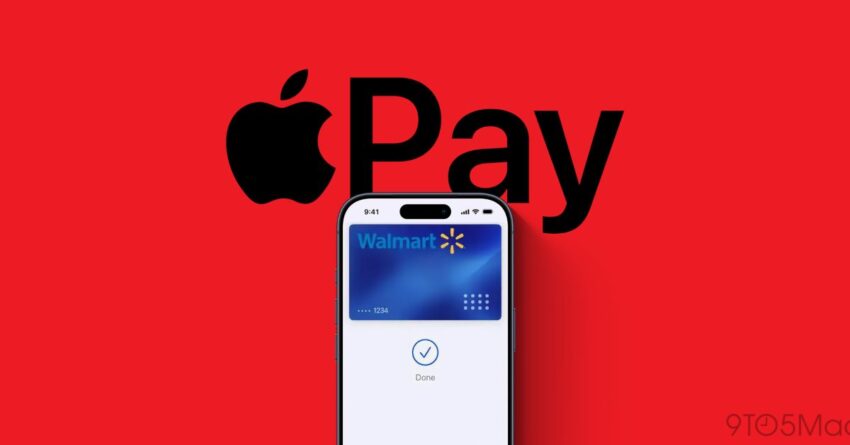
security bite walmart not supporting apple pay Walmart’s refusal to support Apple Pay has reignited discussions about the implications of this decision on consumer security and payment technology.
security bite walmart not supporting apple pay
Walmart’s Position on Apple Pay
Walmart, the world’s largest grocery retailer, has consistently opted not to support Apple Pay or any Tap to Pay solutions. This decision has drawn significant attention, particularly as consumers increasingly turn to contactless payment methods for convenience and security. The absence of Apple Pay at Walmart locations raises questions about the retailer’s commitment to modern payment technologies and the potential risks associated with this choice.
The Rise of Contactless Payments
Contactless payment methods, including Apple Pay, have gained immense popularity in recent years. According to recent studies, contactless payments accounted for over 40% of all in-store transactions in the United States in 2022. This trend is driven by several factors:
- Convenience: Tapping a smartphone or card is often quicker than traditional payment methods, reducing wait times at checkout.
- Security: Contactless payments utilize advanced encryption and tokenization technologies, making transactions more secure than traditional magnetic stripe cards.
- Health Considerations: The COVID-19 pandemic accelerated the adoption of contactless payments as consumers sought to minimize physical contact during transactions.
As consumers embrace these benefits, retailers that do not support such technologies may risk alienating a significant portion of their customer base.
Security Implications of Not Supporting Apple Pay
Walmart’s refusal to adopt Apple Pay raises important security concerns. Contactless payment systems, including Apple Pay, offer several security advantages over traditional payment methods:
Encryption and Tokenization
When a consumer makes a purchase using Apple Pay, their actual credit card number is never shared with the merchant. Instead, a unique token is generated for each transaction, which is encrypted and transmitted. This means that even if a hacker intercepts the transaction data, they would only obtain a meaningless token rather than sensitive financial information. This level of security is not available with traditional magnetic stripe cards, which can be easily cloned.
Biometric Authentication
Apple Pay also incorporates biometric authentication, such as Face ID or Touch ID, ensuring that only the authorized user can complete a transaction. This additional layer of security is absent in many traditional payment methods, where a stolen card can be used by anyone who possesses it.
Reduced Fraud Risk
According to a report from the Federal Reserve, the use of contactless payments has been linked to a significant reduction in fraud. In contrast, traditional card payments are more susceptible to various forms of fraud, including card skimming and identity theft. By not supporting Apple Pay, Walmart may inadvertently expose its customers to greater risks of fraud and data breaches.
Consumer Reactions and Industry Implications
The response from consumers regarding Walmart’s stance on Apple Pay has been mixed. Many customers express frustration over the lack of modern payment options, while others remain loyal to Walmart for its pricing and product selection. However, the growing trend towards contactless payments suggests that consumer preferences are shifting.
Consumer Frustration
Social media platforms have seen an influx of comments from customers who are disappointed by Walmart’s refusal to support Apple Pay. Many users have taken to Twitter and Facebook to voice their concerns, stating that they prefer the convenience and security of contactless payments. Some have even vowed to shop at competitors that offer Apple Pay, highlighting the potential for Walmart to lose business over this decision.
Competitor Strategies
Retailers that have embraced contactless payment solutions are likely to benefit from increased customer satisfaction and loyalty. Competitors such as Target and Costco have adopted Apple Pay, recognizing the importance of offering modern payment options to meet consumer demands. As the landscape of retail continues to evolve, Walmart may find itself at a disadvantage if it does not adapt to changing consumer preferences.
The Broader Context of Payment Technologies
The refusal to support Apple Pay is not just a matter of consumer preference; it also reflects broader trends in payment technologies and security. As digital wallets and contactless payments become more prevalent, retailers must consider the implications of their payment options on customer experience and security.
Technological Advancements
The payment landscape is rapidly evolving, with advancements in technology driving innovation. The rise of mobile wallets, cryptocurrencies, and blockchain technology is reshaping how consumers make purchases. Retailers that fail to keep pace with these changes risk falling behind in a competitive market.
Regulatory Considerations
As payment technologies continue to evolve, regulatory bodies are also taking notice. Governments around the world are implementing regulations aimed at enhancing consumer protection and security in digital payments. Retailers that do not comply with these regulations may face legal repercussions, further complicating their decision to adopt or reject specific payment methods.
Conclusion
Walmart’s decision not to support Apple Pay raises significant questions about the retailer’s commitment to consumer security and modern payment technologies. As contactless payments continue to gain traction, the implications of this choice may extend beyond consumer preferences, affecting Walmart’s competitiveness in the retail landscape. The security benefits associated with Apple Pay, including encryption, tokenization, and biometric authentication, highlight the potential risks that consumers face when shopping at retailers that do not offer these options. As the payment landscape evolves, Walmart may need to reconsider its stance to align with consumer expectations and industry standards.
Source: Original report
Was this helpful?
Explore more: More Consumer Technology Tech News Blog
Last Modified: January 20, 2026 at 1:58 am
14 views