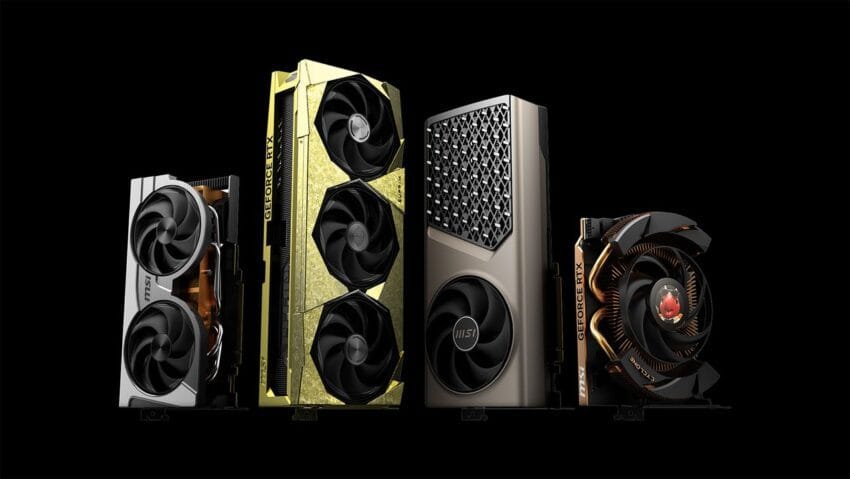
nvidia dominates gpu shipments with 94 share Nvidia has achieved a remarkable 94% share of the GPU market, with a 27% surge in shipments during the second quarter of 2025, likely driven by customers preemptively purchasing ahead of impending tariffs.
nvidia dominates gpu shipments with 94 share
Market Overview
The graphics processing unit (GPU) market has seen significant fluctuations in recent years, influenced by various factors including supply chain disruptions, technological advancements, and changing consumer demands. As of the second quarter of 2025, Nvidia has solidified its dominance in this sector, capturing an impressive 94% of the GPU market share. This figure represents a substantial increase in shipments, which rose by 27% compared to the previous quarter. Such growth is indicative of both Nvidia’s strong product lineup and strategic positioning within the market.
Understanding the Surge in Shipments
The 27% increase in GPU shipments can be attributed to several key factors. One of the most significant drivers appears to be the anticipation of new tariffs on imported electronics, particularly from China. As consumers and businesses alike prepare for potential price hikes, many have opted to purchase GPUs ahead of time, leading to a spike in demand. This behavior is not uncommon in markets facing impending regulatory changes, as buyers seek to mitigate future costs.
Additionally, the ongoing demand for high-performance GPUs in various sectors, including gaming, artificial intelligence, and data centers, has contributed to this surge. The gaming industry, in particular, has seen a resurgence, with new titles and advancements in graphics technology pushing gamers to upgrade their hardware. Nvidia’s latest offerings, including the RTX 40 series, have been well-received, further fueling sales.
Nvidia’s Product Lineup
Nvidia’s success can largely be attributed to its innovative product lineup, which has consistently set the standard for performance and efficiency in the GPU market. The company’s latest GPUs, such as the GeForce RTX 4090 and RTX 4080, have garnered attention for their advanced features, including real-time ray tracing and AI-enhanced graphics. These capabilities not only enhance gaming experiences but also cater to professionals in fields such as video editing and 3D rendering.
Technological Advancements
Nvidia has made significant strides in GPU technology, particularly with its Ada Lovelace architecture, which powers the RTX 40 series. This architecture allows for improved performance per watt, meaning users can achieve higher frame rates and better graphics quality without a corresponding increase in power consumption. Such advancements are crucial as consumers become more environmentally conscious and seek energy-efficient solutions.
Moreover, Nvidia’s commitment to AI integration has positioned it favorably in a rapidly evolving tech landscape. The company’s GPUs are increasingly being utilized in machine learning and AI applications, expanding their market reach beyond traditional gaming. This diversification has not only bolstered sales but also solidified Nvidia’s reputation as a leader in cutting-edge technology.
Competitive Landscape
While Nvidia currently dominates the GPU market, it is essential to consider the competitive landscape. AMD, Nvidia’s primary competitor, has made significant efforts to capture market share with its Radeon RX 7000 series. AMD’s GPUs have gained traction among budget-conscious consumers and those seeking alternatives to Nvidia’s offerings. However, despite these efforts, AMD’s market share remains significantly lower than Nvidia’s, with estimates hovering around 6%.
Challenges for Competitors
AMD faces several challenges in its quest to compete with Nvidia. One of the primary hurdles is the perception of performance. Nvidia’s GPUs are often viewed as the gold standard, particularly in high-end gaming and professional applications. This perception is bolstered by Nvidia’s robust marketing strategies and the widespread adoption of its technologies in various industries.
Additionally, the ongoing semiconductor shortage has impacted all players in the GPU market. While Nvidia has managed to navigate these challenges effectively, AMD has struggled to maintain consistent supply levels for its products. This discrepancy has further widened the gap between the two companies, allowing Nvidia to capitalize on its established brand loyalty and superior product availability.
Implications for the Future
The current state of the GPU market has several implications for both consumers and industry stakeholders. For consumers, the surge in shipments may lead to increased competition among retailers, potentially resulting in better pricing and availability. However, the looming threat of tariffs could counteract these benefits, leading to higher prices in the long run.
Impact on Pricing
As companies prepare for potential tariffs, it is likely that prices for GPUs will rise, particularly for imported models. This situation could create a sense of urgency among consumers, prompting them to purchase GPUs sooner rather than later. Retailers may also adjust their pricing strategies in anticipation of increased demand, leading to a volatile market environment.
For industry stakeholders, Nvidia’s dominance presents both challenges and opportunities. While the company’s success may deter new entrants from attempting to capture market share, it also highlights the importance of innovation and differentiation. Companies looking to compete must invest in research and development to create products that offer unique features or superior performance.
Stakeholder Reactions
The reactions from various stakeholders in the tech industry have been mixed. Investors have responded positively to Nvidia’s impressive market share and shipment growth, viewing it as a sign of strong financial performance. Analysts have noted that Nvidia’s ability to maintain such a high market share amid increasing competition is a testament to its strategic foresight and execution.
Consumer Sentiment
From a consumer perspective, the sentiment is somewhat divided. While many gamers and professionals appreciate the advancements in GPU technology, there is concern regarding pricing and availability. As the market adjusts to potential tariffs, consumers may face higher costs, leading to frustration among those looking to upgrade their systems.
Furthermore, the growing interest in sustainable technology has prompted discussions about the environmental impact of GPU production. As consumers become more aware of the carbon footprint associated with electronic devices, companies like Nvidia may need to address these concerns to maintain their competitive edge.
Conclusion
Nvidia’s remarkable 94% share of the GPU market, coupled with a 27% surge in shipments, underscores its dominance in the industry. The anticipated tariffs have prompted consumers to act swiftly, driving demand for high-performance GPUs. As Nvidia continues to innovate and expand its product offerings, the competitive landscape will evolve, presenting both challenges and opportunities for all players involved. Stakeholders must remain vigilant as they navigate this dynamic market, balancing consumer needs with the realities of pricing and supply chain constraints.
Source: Original report
Was this helpful?
Explore more: More Hardware & Devices Tech News Blog
Last Modified: September 8, 2025 at 6:35 pm
30 views