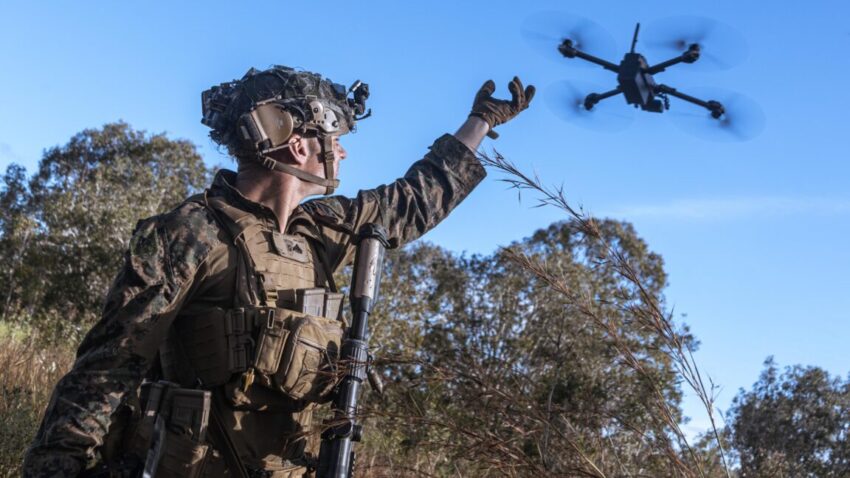
pentagon wants 54b for drones more than The Pentagon has proposed a historic budget allocation aimed at revolutionizing drone warfare and counter-drone technology, seeking $54 billion for these initiatives in the upcoming fiscal year.
pentagon wants 54b for drones more than
Overview of the Budget Proposal
The U.S. military’s budget request for fiscal year 2027 stands at an unprecedented $1.5 trillion. Within this expansive budget, the Pentagon has earmarked a staggering $53.6 billion specifically for drone-related technologies. This request marks the largest investment in drone warfare and counter-drone capabilities in U.S. history, reflecting a strategic shift toward enhancing aerial combat and surveillance capabilities.
Significance of the Investment
The proposed funding not only highlights the U.S. military’s commitment to integrating advanced technologies into its operations but also positions the United States among the top military spenders globally. The $54 billion allocation for drones exceeds the defense budgets of many nations, including Ukraine, South Korea, and Israel. This financial commitment underscores the Pentagon’s recognition of the evolving landscape of modern warfare, where unmanned systems play a critical role.
Breakdown of the Funding Request
The Pentagon’s request for drone funding encompasses several key areas aimed at enhancing the U.S. military’s operational capabilities:
- Production and Procurement: A significant portion of the budget will be directed toward increasing the production and procurement of drones. This includes both combat drones and surveillance platforms, ensuring that the U.S. military remains at the forefront of drone technology.
- Training of Drone Operators: The request also allocates funds for training personnel to operate these advanced systems. As drone technology evolves, so too does the need for skilled operators who can effectively manage and deploy these assets in various combat scenarios.
- Logistics Network Development: Building a robust logistics network is essential for sustaining drone deployments. The funding will support the establishment of infrastructure that ensures drones can be rapidly deployed and maintained in the field.
- Counter-Drone Systems: The Pentagon aims to expand its counter-drone capabilities to protect military installations from potential threats posed by adversarial drones. This aspect of the funding is crucial in an era where drone technology is increasingly accessible to various state and non-state actors.
The Defense Autonomous Warfare Group (DAWG)
The funding request falls under the purview of the Defense Autonomous Warfare Group (DAWG), a newly established organization within the Department of Defense. Created in late 2025, DAWG aims to spearhead the U.S. military’s efforts in autonomous warfare technologies. The group received approximately $226 million in the 2026 fiscal year budget, but the proposed increase to $53.6 billion represents a significant escalation in its operational budget.
Strategic Implications
This substantial investment in drone technology has far-reaching implications for U.S. military strategy. As adversaries increasingly adopt drone technology, the U.S. must maintain its technological edge to ensure national security. The funding request signals a proactive approach to counter emerging threats and reinforces the importance of unmanned systems in future conflicts.
Global Context and Comparisons
To understand the scale of the Pentagon’s drone funding request, it is essential to place it within a global context. The proposed $54 billion allocation would rank among the highest military budgets worldwide, surpassing those of many countries that are considered major military powers. For instance:
- Ukraine: In light of ongoing conflicts, Ukraine’s defense budget has been significantly bolstered, yet it remains below the proposed U.S. drone funding.
- South Korea: With its strategic focus on North Korea, South Korea maintains a robust military budget, but it does not match the scale of the U.S. drone investment.
- Israel: Known for its advanced military technology, Israel’s defense budget is substantial, yet the U.S. proposal still exceeds it.
This comparison highlights the U.S. military’s commitment to not only maintaining but also expanding its technological superiority in drone warfare.
Stakeholder Reactions
The proposed budget has elicited a range of reactions from various stakeholders, including military officials, defense contractors, and policymakers.
Military Officials
Military leaders have generally expressed support for the increased funding, emphasizing the necessity of advanced drone capabilities in modern warfare. They argue that the investment will enhance operational readiness and provide the U.S. military with the tools needed to address evolving threats.
Defense Contractors
Defense contractors are likely to view the funding request as an opportunity for growth and innovation. Companies specializing in drone technology stand to benefit significantly from increased government contracts, which could lead to advancements in drone design, functionality, and deployment strategies.
Policymakers and Analysts
Policymakers and defense analysts have raised questions about the implications of such a substantial investment. While many acknowledge the need for advanced technologies, concerns have been voiced regarding the potential for an arms race in drone technology. Critics argue that an excessive focus on drones could divert resources from other critical areas of defense spending, such as cybersecurity and traditional military capabilities.
Future of Drone Warfare
The proposed budget reflects a broader trend in military strategy, where unmanned systems are becoming increasingly integral to combat operations. The evolution of drone technology has transformed the battlefield, allowing for enhanced surveillance, precision strikes, and reduced risk to personnel. As nations around the world continue to invest in drone capabilities, the U.S. must remain vigilant in its pursuit of technological advancements.
Technological Advancements
Future developments in drone technology are likely to focus on several key areas:
- Autonomy: Increasing the level of autonomy in drone operations will allow for more complex missions without direct human intervention. This could lead to faster response times and the ability to operate in contested environments.
- Artificial Intelligence: Integrating AI into drone systems will enhance decision-making capabilities, enabling drones to analyze data in real-time and make tactical decisions on the battlefield.
- Swarm Technology: The development of drone swarms, where multiple drones operate collaboratively, could revolutionize military tactics, allowing for overwhelming force and strategic advantages in various scenarios.
Conclusion
The Pentagon’s request for $54 billion in drone funding represents a significant commitment to advancing U.S. military capabilities in an increasingly complex global landscape. As the U.S. seeks to maintain its technological edge, the implications of this investment will resonate across military strategy, international relations, and the defense industry. The focus on drone warfare and counter-drone technologies underscores the evolving nature of modern conflict and the necessity for nations to adapt to new challenges.
Source: Original report
Was this helpful?
Explore more: More Big Tech & Platforms Tech News Blog
Last Modified: April 22, 2026 at 12:35 pm
12 views