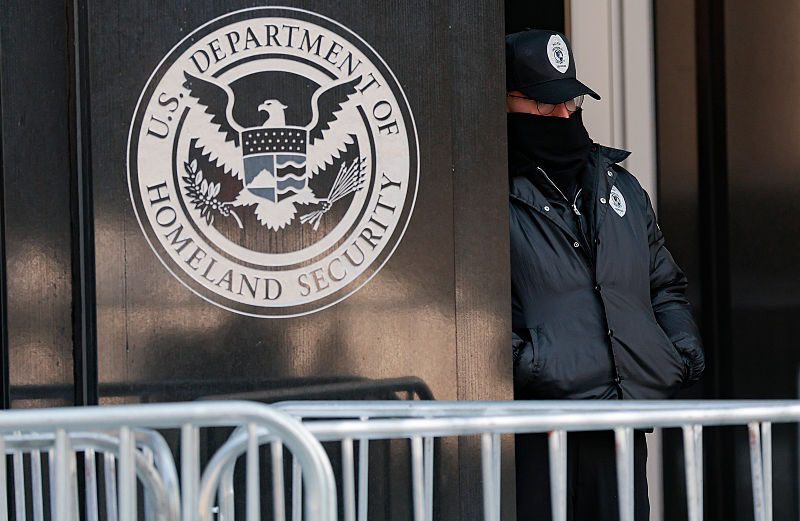
homeland security is trying to force tech The U.S. Department of Homeland Security (DHS) is reportedly attempting to compel technology companies to provide data concerning individuals who have criticized former President Donald Trump, raising significant concerns about privacy and government overreach.
homeland security is trying to force tech
Background on Administrative Subpoenas
Administrative subpoenas are legal tools that allow government agencies to obtain information without the need for a court order. Unlike traditional subpoenas, which require judicial oversight, administrative subpoenas can be issued unilaterally by government officials. This lack of oversight has led to concerns about potential abuses of power, particularly when it comes to sensitive information related to individuals’ online activities.
The DHS has increasingly turned to these subpoenas to gather information from tech companies, particularly in the context of immigration enforcement. The agency has been known to request data from social media platforms and other online services to identify individuals involved in activities that it deems threatening or subversive. This includes the owners of anonymous accounts that document the operations of U.S. Immigration and Customs Enforcement (ICE).
The Current Situation
Recent reports indicate that the DHS is intensifying its efforts to utilize administrative subpoenas to extract information about individuals who have publicly criticized Trump or his policies. This initiative appears to be part of a broader strategy to monitor dissent and gather intelligence on those who oppose the former administration’s stance on immigration and other issues.
Scope of Information Requested
The types of information that the DHS is seeking from tech companies include:
- User identities and account information
- IP addresses linked to specific online activities
- Metadata associated with communications
- Content of messages or posts that may be deemed critical of the government
This extensive data collection raises serious ethical questions about the balance between national security and individual privacy rights. Critics argue that such actions could lead to a chilling effect on free speech, as individuals may feel discouraged from expressing their opinions if they believe they are being monitored by the government.
Implications for Free Speech and Privacy
The implications of the DHS’s actions are profound. The use of administrative subpoenas to target critics of the government could set a dangerous precedent for future administrations. If allowed to continue, this practice may embolden government agencies to further infringe upon citizens’ rights to free speech and privacy.
Legal experts have expressed concern that the DHS’s actions could violate the First Amendment, which protects the right to free speech, as well as the Fourth Amendment, which guards against unreasonable searches and seizures. The lack of judicial oversight in the issuance of administrative subpoenas raises questions about the legality and constitutionality of the DHS’s requests for information.
Stakeholder Reactions
Reactions to the DHS’s attempts to compel tech companies to hand over data have been mixed. Civil liberties organizations, such as the American Civil Liberties Union (ACLU), have condemned the agency’s actions, arguing that they represent an overreach of government power. The ACLU has called for greater transparency and accountability in the use of administrative subpoenas, emphasizing the need to protect citizens’ rights to free expression.
On the other hand, some government officials argue that the DHS’s actions are necessary to ensure national security and public safety. They contend that monitoring online activities is crucial for identifying potential threats and preventing violence. However, this argument is met with skepticism by many who believe that the government is overstepping its bounds in the name of security.
Technology Companies’ Dilemma
Tech companies find themselves in a challenging position as they navigate the demands of the DHS while also striving to protect their users’ privacy. Many companies have policies in place to resist government overreach and protect user data. However, the pressure from federal agencies can be significant, especially when compliance is framed as a matter of national security.
Some tech companies have pushed back against the DHS’s requests, citing their commitment to user privacy and the importance of safeguarding free speech. Others have complied with requests but have implemented measures to minimize the data shared, such as anonymizing user information or limiting the scope of data provided.
Legal Challenges and Future Considerations
As the situation unfolds, it is likely that legal challenges will arise concerning the DHS’s use of administrative subpoenas. Advocacy groups may seek to challenge the legality of these subpoenas in court, arguing that they violate constitutional protections. Such cases could set important precedents regarding the balance between national security and individual rights.
Furthermore, the issue of data privacy is becoming increasingly relevant in the digital age. As more individuals express their opinions online, the potential for government surveillance raises critical questions about the future of free speech. The ongoing debate over the appropriate limits of government power in monitoring online activities will likely continue to evolve as technology advances.
Conclusion
The DHS’s attempts to compel tech companies to hand over data about Trump critics highlight the complex interplay between national security, privacy rights, and free speech. As administrative subpoenas become a more common tool for government agencies, the potential for abuse and overreach grows. Stakeholders, including civil liberties organizations, technology companies, and the public, must remain vigilant in advocating for transparency and accountability in government actions.
As society grapples with these issues, it is essential to strike a balance that protects individual rights while addressing legitimate security concerns. The outcome of this situation could have lasting implications for the future of free expression and privacy in the digital age.
Source: Original report
Was this helpful?
Explore more: More Big Tech & Platforms Tech News Blog
Last Modified: February 4, 2026 at 1:38 am
14 views