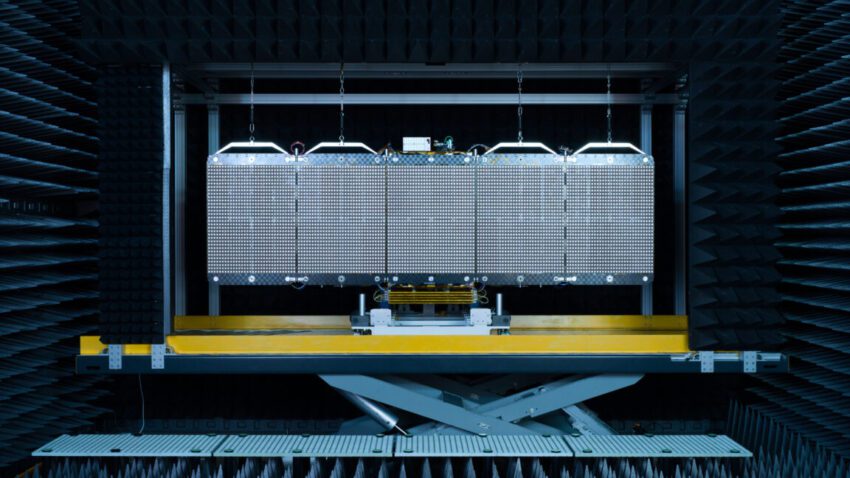
four russian satellites are now within striking Recent orbital maneuvers by Russian military satellites have raised significant concerns regarding their intentions, particularly in relation to a Finnish-American radar surveillance satellite.
four russian satellites are now within striking
Overview of the Situation
In the past week, at least four Russian military satellites have altered their orbits to align with that of an ICEYE radar satellite. This development has sparked speculation about the motivations behind these maneuvers amidst ongoing tensions in the geopolitical landscape. The adjustments were detected through open-source orbital tracking data, highlighting the increasing importance of space surveillance in contemporary military strategy.
Details of the Orbital Changes
The Russian satellites, designated Kosmos 2610 through 2613, were launched together on April 16, 2023, aboard a Soyuz-2.1b rocket from the Plesetsk Cosmodrome in northern Russia. Each of these satellites has made slight adjustments to their orbital inclinations—specifically, the angles of their orbits relative to the equator—by less than a degree. These minor changes, while seemingly insignificant, can have substantial implications for surveillance and reconnaissance operations.
Significance of the ICEYE Satellite
ICEYE is a Finnish-American company known for its advanced radar satellite technology, which provides high-resolution imaging capabilities. The satellite’s ability to capture detailed images of the Earth’s surface makes it a valuable asset for various applications, including disaster response, environmental monitoring, and military reconnaissance. The alignment of Russian satellites with ICEYE raises questions about potential surveillance or counter-surveillance operations aimed at monitoring the satellite’s activities.
Implications of the Maneuvers
The adjustments made by the Russian satellites could indicate a strategic effort to enhance their observational capabilities. By positioning themselves in proximity to ICEYE, these satellites may aim to gather intelligence on the operations and capabilities of the radar satellite. This situation underscores the growing significance of space as a theater for military operations and intelligence gathering.
Geopolitical Context
The backdrop to this incident is a complex geopolitical environment characterized by heightened tensions between Russia and Western nations, particularly in the context of the ongoing conflict in Ukraine. As both sides leverage technology to gain an advantage, the role of space-based assets has become increasingly critical. The ability to monitor and respond to adversarial actions from space can significantly influence the outcomes of ground operations.
Stakeholder Reactions
The revelation of these orbital changes has elicited responses from various stakeholders, including military analysts, government officials, and space industry experts. Greg Gillinger, a retired Air Force space intelligence officer, highlighted the significance of these maneuvers in his Integrity Flash newsletter, published by Integrity ISR. His insights reflect a growing concern among defense analysts regarding the potential for increased military activity in space.
Technological Considerations
The technological capabilities of the Russian satellites involved in this incident are also worth examining. The Kosmos series of satellites has been utilized for various military purposes, including reconnaissance and surveillance. Their ability to adjust orbits and align with other satellites demonstrates a level of sophistication in satellite operations that could pose challenges for adversaries.
Open Source Intelligence
The detection of these orbital changes through open-source tracking data illustrates the evolving landscape of intelligence gathering. Open-source intelligence (OSINT) has become a vital tool for military analysts and researchers, allowing them to monitor developments in real-time. The ability to track satellite movements can provide insights into potential military strategies and intentions, enabling more informed responses from affected nations.
Future Considerations
As the situation continues to develop, several questions remain regarding the future implications of these maneuvers. Will Russia continue to adjust its satellite operations in response to ICEYE? What countermeasures might be employed by Western nations to mitigate potential threats? The answers to these questions will likely shape the dynamics of military operations in space and the broader geopolitical landscape.
Potential Countermeasures
In light of these developments, Western nations may consider implementing countermeasures to protect their satellite assets. This could involve enhancing the security of satellite communications, employing advanced encryption techniques, or even developing capabilities to disrupt or neutralize adversarial satellites. The increasing militarization of space necessitates a proactive approach to safeguarding national interests and ensuring the integrity of critical satellite systems.
Conclusion
The recent orbital maneuvers by Russian military satellites in proximity to the ICEYE radar satellite underscore the escalating importance of space in modern military strategy. As nations continue to leverage advanced technologies for reconnaissance and surveillance, the implications of these developments will resonate across geopolitical landscapes. The ongoing standoff in space serves as a reminder of the need for vigilance and preparedness in an era where the boundaries of conflict extend beyond terrestrial domains.
Source: Original report
Was this helpful?
Explore more: More General Technology Tech News Blog
Last Modified: May 23, 2026 at 7:35 am
22 views