google has tripled gemini usage limits for Google has responded to user feedback by significantly increasing the usage limits for its Gemini AI models, particularly for the Antigravity feature, implementing this change not once but twice.
google has tripled gemini usage limits for
Background on Gemini AI Models
Google’s Gemini AI models represent a significant advancement in artificial intelligence, designed to enhance various applications across the tech landscape. Launched in late 2023, Gemini was positioned as a competitor to other leading AI frameworks, such as OpenAI’s GPT series and Meta’s LLaMA. The models are built on a foundation of deep learning and neural networks, enabling them to process vast amounts of data and generate human-like responses.
Gemini’s architecture is notable for its ability to integrate multimodal capabilities, allowing it to understand and generate text, images, and even audio. This versatility has made it a valuable tool for developers, businesses, and researchers alike, facilitating applications ranging from customer service automation to content creation and data analysis.
Understanding Antigravity
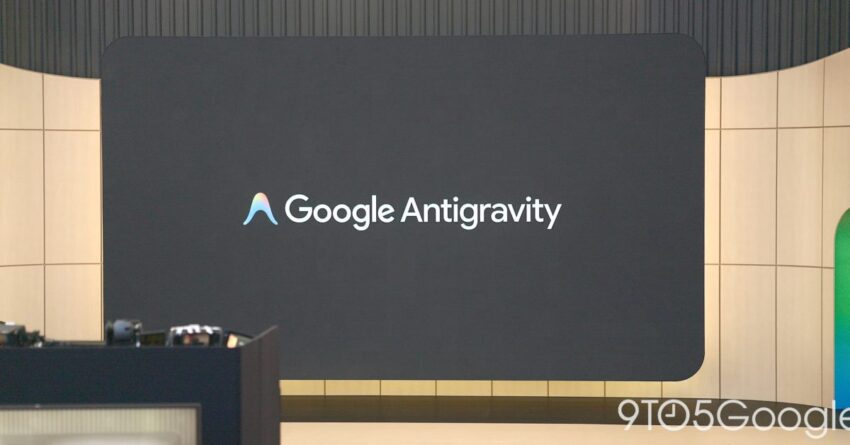
Antigravity is a specific feature within the Gemini framework that has garnered attention for its advanced capabilities. It allows users to leverage the power of Gemini to create more dynamic and engaging interactions. The name “Antigravity” suggests a focus on breaking traditional boundaries in AI interactions, enabling users to explore new dimensions of creativity and functionality.
Initially, the usage limits for Antigravity were set to ensure that the system could manage demand while maintaining performance quality. However, as more users began to adopt the feature, concerns arose regarding the constraints imposed by these limits. Users reported that the restrictions hindered their ability to fully utilize the capabilities of Gemini, particularly in high-demand scenarios where extensive processing power was required.
Initial Usage Limits and User Feedback
When Antigravity was first introduced, Google established specific usage limits to manage server load and ensure equitable access among users. These limits were intended to prevent any single user from monopolizing resources, which could lead to performance degradation for others. However, as the user base expanded, it became clear that the initial limits were insufficient for many applications.
Users expressed their frustrations through various channels, including social media, forums, and direct feedback to Google. Many highlighted that the constraints were particularly problematic for businesses relying on Antigravity for customer engagement and content generation. The limitations not only affected productivity but also stifled innovation, as users struggled to experiment with the full range of capabilities offered by the AI.
Google’s Response: Tripling Usage Limits
In response to the growing concerns, Google announced a significant adjustment to the usage limits for Antigravity. The company revealed that it would be tripling the existing limits, thereby allowing users to access more resources and execute more complex tasks without interruption. This change was implemented in two phases, reflecting Google’s commitment to addressing user needs while maintaining system integrity.
Phase One: Initial Increase
The first increase in usage limits was rolled out shortly after user feedback reached a critical mass. Google recognized the urgency of the situation and acted swiftly to enhance the user experience. The tripling of limits allowed users to engage with Antigravity in ways that were previously unattainable, enabling more extensive experimentation and application development.
Phase Two: Further Adjustments
Following the initial increase, Google continued to monitor user engagement and feedback. As usage patterns evolved, the company identified additional opportunities to further enhance the Antigravity experience. In a second phase, Google implemented another increase in usage limits, solidifying its commitment to providing a robust platform for users.
Implications of Increased Usage Limits
The decision to triple the usage limits for Antigravity carries several implications for both users and Google as a company. For users, the expanded limits mean greater flexibility and creativity in how they utilize the Gemini AI models. Businesses can now deploy Antigravity for more complex tasks, leading to improved customer interactions and more innovative applications.
Moreover, the increased limits may encourage more developers to experiment with Antigravity, potentially leading to a surge in new applications and use cases. This could foster a vibrant ecosystem around Gemini, attracting more users and developers to the platform.
Stakeholder Reactions
The response from the user community has been overwhelmingly positive following Google’s announcement. Many users took to social media to express their gratitude for the increased limits, noting that it would significantly enhance their ability to leverage the AI for various projects. Developers have also welcomed the changes, indicating that the expanded limits would allow for more ambitious and innovative applications.
Industry analysts have weighed in on the implications of this move as well. Some experts believe that Google’s responsiveness to user feedback demonstrates a commitment to user-centric development, which could strengthen its position in the competitive AI landscape. Others caution that while increased limits are beneficial, Google must continue to monitor system performance to ensure that the quality of service remains high.
Future Prospects for Gemini and Antigravity
Looking ahead, the future of Gemini and its Antigravity feature appears promising. The adjustments made to the usage limits are likely to set a precedent for how Google approaches user feedback in the future. As AI technology continues to evolve, the demand for more robust and flexible systems will only increase.
Google may also consider implementing additional features or enhancements to Antigravity based on user feedback. This could include new tools for developers, improved integration with existing applications, or even the introduction of new AI capabilities that further extend the functionality of Gemini.
Conclusion
Google’s decision to triple the usage limits for its Gemini AI models, specifically for the Antigravity feature, marks a significant step in addressing user concerns and enhancing the overall experience. By responding to feedback and implementing changes in a timely manner, Google has demonstrated its commitment to fostering innovation and supporting its user base. As the AI landscape continues to evolve, the implications of these changes will likely resonate throughout the industry, paving the way for new applications and advancements in AI technology.
Source: Original report
Was this helpful?
Explore more: AI Automation Services More AI & Automation Tech News
Last Modified: May 22, 2026 at 6:43 pm
18 views