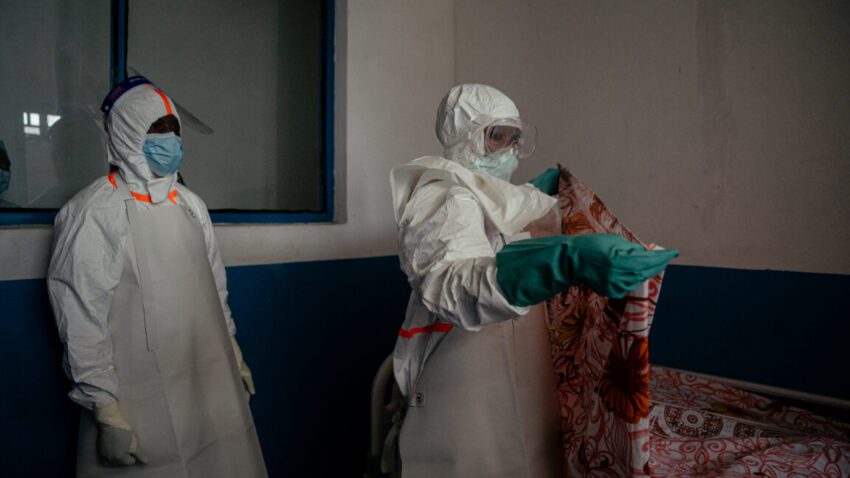
ebola outbreak now third largest recorded and The ongoing Ebola outbreak in the Ituri province of the Democratic Republic of the Congo (DRC) has escalated significantly, marking it as the third largest recorded outbreak of the virus.
ebola outbreak now third largest recorded and
Current Situation Overview
As of the latest report from the World Health Organization (WHO), the outbreak has seen nearly 750 confirmed cases and 177 reported deaths. The rapid increase in cases has raised alarms among health officials, prompting a swift response to contain the virus. Approximately 1,400 contacts are currently being traced to prevent further spread. WHO Director-General Tedros Adhanom Ghebreyesus emphasized during a press briefing that the outbreak is “spreading rapidly,” highlighting the urgency of the situation.
Historical Context of Ebola Outbreaks
Ebola virus disease (EVD) was first identified in 1976 near the Ebola River in what is now the DRC. Since then, the virus has caused several outbreaks, with varying levels of severity. The largest outbreak to date occurred in West Africa from 2014 to 2016, resulting in over 11,000 deaths. The current outbreak in Ituri province, while serious, is now classified as the third largest in history, underscoring the persistent threat posed by this virus.
WHO’s Risk Assessment
In light of the escalating situation, WHO has revised its risk assessment for the outbreak. The risk level has been elevated from “high” to “very high” at the national level, indicating a significant threat to public health within the DRC. Regionally, the risk remains classified as “high,” while the global risk is currently assessed as “low.” This tiered risk assessment reflects the localized nature of the outbreak and the effectiveness of international health measures in preventing its spread beyond the DRC.
Factors Contributing to the Outbreak’s Escalation
Delayed Detection and Response
One of the critical factors contributing to the rapid escalation of this outbreak has been the delay in detecting and responding to initial cases. Health officials have acknowledged that early warning signs were missed, allowing the virus to spread unchecked for a period. This delay has been attributed to various challenges, including limited access to remote areas, insufficient healthcare infrastructure, and the complexities of tracing contacts in regions affected by conflict.
Geographical and Social Challenges
The Ituri province is characterized by its dense population and challenging geography, which complicates containment efforts. The region has a history of conflict, which has led to instability and hindered public health initiatives. Additionally, cultural practices, such as traditional burial rites, can exacerbate the spread of the virus, as they often involve close contact with the deceased.
Public Health Response and Strategies
Vaccination Efforts
In response to the outbreak, health authorities are mobilizing resources to implement vaccination campaigns. The use of the rVSV-ZEBOV vaccine, which has proven effective in previous outbreaks, is a key component of the strategy to control the current situation. Vaccination efforts are focused on frontline healthcare workers, contacts of confirmed cases, and individuals in high-risk areas.
Community Engagement and Education
Community engagement is another vital aspect of the response strategy. Health officials are working to educate the public about the virus, its transmission, and preventive measures. This includes disseminating information through local leaders and community health workers to ensure that accurate information reaches those most at risk. Building trust within communities is essential for encouraging individuals to seek medical care and participate in vaccination campaigns.
International Collaboration
The outbreak has prompted a coordinated response from international health organizations, governments, and NGOs. WHO is collaborating with local health authorities and partners to enhance surveillance, contact tracing, and laboratory testing capabilities. This collaborative effort aims to strengthen the overall response to the outbreak and mitigate its impact on public health.
Implications of the Outbreak
Impact on Public Health Infrastructure
The current outbreak poses significant challenges to the public health infrastructure in the DRC. The rapid increase in cases places immense pressure on healthcare facilities, which may already be stretched thin due to previous outbreaks and ongoing health crises, such as the COVID-19 pandemic. Ensuring that healthcare systems can effectively respond to the outbreak is crucial for minimizing its impact on the population.
Potential for Regional Spread
While the global risk is currently assessed as low, the potential for regional spread remains a concern. The DRC shares borders with several countries, and the movement of people across these borders can facilitate the transmission of the virus. Health authorities in neighboring countries are on high alert, implementing measures to monitor and respond to any potential cases that may arise.
Long-term Consequences
The long-term consequences of the outbreak could be profound, affecting not only public health but also the socio-economic landscape of the region. Previous Ebola outbreaks have led to significant economic disruptions, as fear of the virus can deter trade and travel. Additionally, the psychological impact on communities affected by the outbreak can have lasting effects on mental health and social cohesion.
Stakeholder Reactions
Government Response
The government of the DRC has expressed its commitment to addressing the outbreak and has called for international support to bolster its response efforts. Officials have acknowledged the need for enhanced resources and expertise to effectively manage the situation. The collaboration between national and international stakeholders is crucial for mounting a comprehensive response.
Public Health Experts’ Views
Public health experts have underscored the importance of swift action in containing the outbreak. Many emphasize that lessons learned from previous outbreaks should inform current strategies. Experts advocate for a multi-faceted approach that includes vaccination, community engagement, and robust surveillance systems to prevent future outbreaks.
Community Perspectives
Community members have expressed concerns about the outbreak and its implications for their health and safety. Many are seeking information on how to protect themselves and their families. The role of local leaders in disseminating accurate information and encouraging preventive measures is vital in addressing these concerns and fostering a sense of agency among community members.
Conclusion
The ongoing Ebola outbreak in the Ituri province of the DRC represents a significant public health challenge. With nearly 750 cases and 177 deaths reported in a short period, the situation demands urgent attention and action. The WHO’s revised risk assessment underscores the seriousness of the outbreak, while the collaborative efforts of health authorities, international organizations, and local communities are essential for controlling its spread. As the situation evolves, continued vigilance and a coordinated response will be crucial in mitigating the impact of this outbreak on public health and the broader community.
Source: Original report
Was this helpful?
Explore more: More General Technology Tech News Blog
Last Modified: May 23, 2026 at 7:36 am
12 views