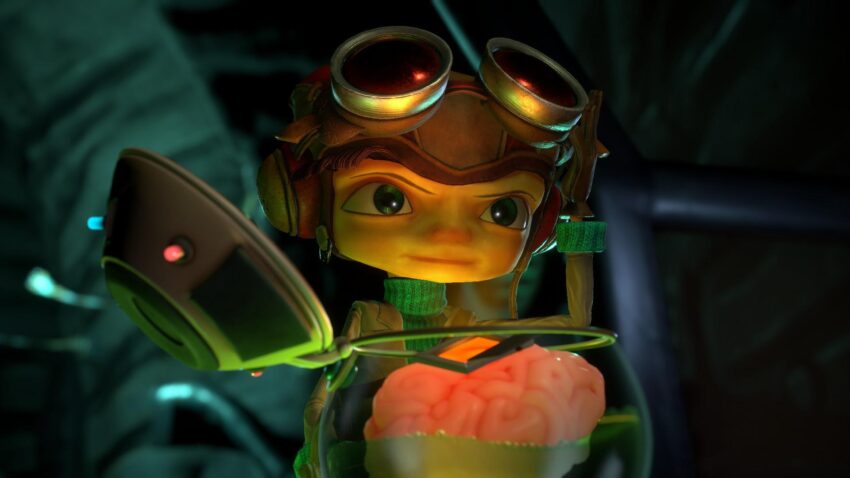
xbox studios Microsoft’s latest Xbox restructuring is splitting up four studios, but two of them are heading into independence with a valuable safeguard: their games, franchises, and future runway are staying with them. Compulsion Games and Double Fine Productions will both return to independent management with ownership of their IP and catalogs intact, while Ninja Theory and Undead Labs are moving to new ownership arrangements tied to the completion of their next announced projects.
xbox studios
The update comes as part of a broader shake-up at Microsoft’s gaming division, and it places a spotlight on how the company is handling some of its most recognizable first-party teams. According to Xbox CEO Asha Sharma, Compulsion Games and Double Fine Productions “will return to management and transition to independent studios with their IP, catalog, and runway for their next games.” In other words, the two studios are not simply being cut loose; they are leaving with the rights to the work they have already made, plus enough support to continue building what comes next.
That detail matters because studio independence can mean very different things depending on the terms. In some cases, a breakaway studio leaves behind its back catalog or key franchises, which can limit its ability to shape its future identity. Here, both studios say they are retaining their game rights, including titles that have become central to their reputations.
Compulsion keeps its catalog, including South of Midnight
Compulsion Games, founded in 2009, said the studio is returning to independent management after its time within Xbox. The studio framed the move as a continuation of its original identity rather than a reinvention. In its statement, Compulsion looked back to its beginnings “as an independent studio” and described itself as being built by “a few dreamers in a leaky old gramophone factory devoted to creating rich storylines and experiences that felt handcrafted.”
Compulsion said it will retain the rights to Contrast, We Happy Few, and South of Midnight. The studio described South of Midnight as “award-winning,” and said it is grateful for the years it spent with Xbox, for the support the company provided, and for the opportunity to bring its games to players around the world.
The company emphasized that its immediate focus is on its people. “Our immediate priority is to support our team throughout this transition period,” Compulsion said, adding that it is “confident in the future of Compulsion Games” and looking forward to a new chapter in which it will continue making “unique games that tell important stories.” The studio said that, as before, it aims to create projects “all with the goal of touching the hearts and minds of our players.”
That message suggests continuity as much as change. Compulsion has often been associated with narrative-driven, artistically distinct games, and the studio’s statement makes clear that it sees independence as a way to protect that identity rather than a reset away from it. The retention of its catalog also gives it a direct line to the games that defined its history before and during its time under Xbox.
Double Fine says ownership of its games returns to the studio
Double Fine Productions is making a similar return to independence. The studio, known for games such as Psychonauts, Keeper, and Kiln, said it is once again an independent studio. In a message signed “Tim & All at Double Fine,” the team said it is thankful to everyone at Xbox “for seven great years together,” and said it worked with the company to reach an outcome that “preserves our history and culture, and returns ownership of our games to us.”
Double Fine’s statement was brief but pointed. Rather than dwelling on the mechanics of the transition, it focused on gratitude and continuity, thanking the many people who had reached out in recent weeks and saying the team had been “deeply touched” by the messages. The studio added that it will “share more news soon on what comes next.”
For a studio like Double Fine, that return of ownership is especially significant. Its portfolio and reputation are closely tied to a long-running creative identity built around unusual, often highly personal games. Regaining ownership of that work means the studio can again steer its own legacy alongside its next projects.
Sharma’s memo aligns with that framing. As with Compulsion, the key point is that Double Fine is not merely being moved out of Xbox management; it is leaving with its intellectual property and catalog. That can help preserve the studio’s ability to build on its past while setting its own creative course.
Ninja Theory and Undead Labs move under new ownership
The other two studios named in the restructuring are not following the same path. Ninja Theory and Undead Labs have “entered terms to join new ownership with funding to complete and grow” their next announced games, according to Sharma. In Ninja Theory’s case, that means Senua; for Undead Labs, it means State of Decay 3.
The wording indicates a different arrangement from the one given to Compulsion and Double Fine. Rather than becoming independent studios with their own franchises and catalogs, Ninja Theory and Undead Labs are being repositioned under new ownership structures tied to the work already in progress. The focus, at least as described in Sharma’s memo, is on ensuring that the studios’ next announced games receive the funding needed to be completed and expanded.
That makes this a split outcome inside the broader reorganization: two studios gain independence and retain ownership of their histories, while two others transition to new ownership in service of finishing and growing specific projects.
Arkane Studios faces consultation over strategic options
Microsoft’s restructuring news also touches Arkane Studios, which is working on a Blade game. In Sharma’s memo, the company said that management is “beginning required consultation with its Works Council to review potential strategic options.”
The phrasing signals that Arkane’s situation is still under review rather than settled in the same way as the other studio changes. Microsoft did not provide a final outcome in the material at hand, but the mention of “required consultation” and “potential strategic options” suggests the company is evaluating next steps before any decision is finalized.
That leaves Arkane in a more uncertain position than the two studios that are already transitioning under new ownership terms. It is part of the same larger restructuring, but its future is not described as completed in the way the Compulsion and Double Fine transitions are.
What the studio deals reveal about Microsoft’s approach
Even without the broader financial or organizational context, the details of these studio moves show a clear pattern: Microsoft is not treating every team the same way. Instead, it appears to be making studio-specific arrangements based on projects, ownership structures, and the future of individual teams.
For Compulsion and Double Fine, the arrangement preserves creative identity and historical ownership. Both studios explicitly say they are going independent again, and both stress that their past work is staying with them. For fans, that means the studios will continue to control the worlds and characters they created, rather than operating under a parent company that owns the underlying franchises.
For Ninja Theory and Undead Labs, the priority appears to be project completion under new ownership. The fact that those studios are tied to Senua and State of Decay 3 suggests Microsoft is trying to ensure those games have a path forward while changing the studios’ corporate homes.
And for Arkane, the consultation language leaves the door open while signaling that a more formal review is underway. The use of a Works Council also indicates that any decision will proceed through required labor and governance processes, not simply through an internal announcement.
Why the retained IP is the key detail
For both Compulsion and Double Fine, the most important line in the restructuring news is the one about ownership. Studio independence can often be attractive in creative terms, but only if the studio retains the rights to the work that defined it. Without that, a studio can lose the ability to build directly on its own legacy.
Compulsion said it will keep Contrast, We Happy Few, and South of Midnight. Double Fine said the arrangement “returns ownership of our games to us.” Those phrases matter because they determine what the studios can do next: reissue, expand, revisit, or otherwise use those properties as part of their independent futures, subject to the usual realities of publishing, funding, and development.
The reference to “runway” in Sharma’s memo is also notable. It implies that the studios are not being left without support, at least not immediately, and that they have a period of breathing room as they settle into their new status. That may prove essential as they handle transitions in management, staffing, and ongoing development work.
Both studios present the move as a return, not a rupture
Neither Compulsion nor Double Fine framed the change as a break with their history. Instead, both portrayed it as a return to earlier roots. Compulsion reminded readers that it was founded as an independent studio in 2009, while Double Fine said it is “once again” independent. The language is deliberate: both teams want the transition to be understood as a restoration of their original structure and creative control.
That stance may help explain why the reactions from both studios were so focused on gratitude. Compulsion thanked Xbox for the support it provided and for bringing its games to players around the world. Double Fine thanked Xbox for “seven great years together” and said the outcome preserved “our history and culture.”
In both cases, the studios are signaling that the split is not being described as a failure of collaboration. Rather, it is being cast as a negotiated transition that leaves the teams better aligned with the identities they want to maintain.
What happens next
For now, both studios say the immediate priority is the people inside them. Compulsion said it is focused on supporting its team during the transition period. Double Fine said it will have more news soon about what comes next. Neither statement goes into operational details, and neither includes specific dates for when the transition will be complete.
That leaves several open questions, particularly around how new independent management will affect development schedules, publishing plans, and future announcements. Still, the core facts are clear: Compulsion and Double Fine are leaving Xbox with their game rights and catalogs intact, while Ninja Theory and Undead Labs are being transferred into new ownership structures centered on their next announced games.
For players, the immediate takeaway is that some of Xbox’s most distinctive studios are changing shape in ways that could have a lasting impact on their output. For the studios themselves, the key outcome is control — control of their histories, their catalogs, and, in the case of Compulsion and Double Fine, the ability to define what independence will look like next.
Source: Original report
Was this helpful?
Explore more: More Gaming Tech News Blog
Last Modified: July 13, 2026 at 4:12 pm
22 views