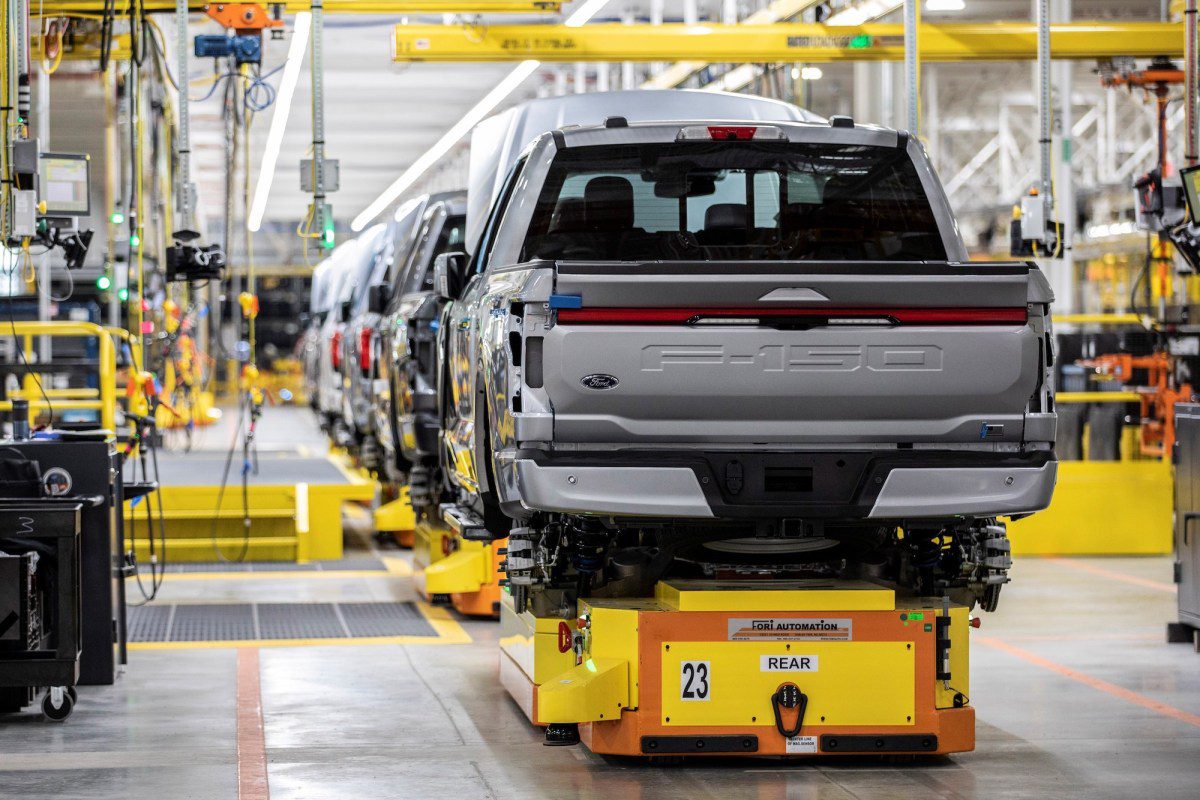
ford is starting a battery storage business Ford has announced plans to launch a new battery storage business aimed at powering data centers and the electric grid.
ford is starting a battery storage business
Investment Overview
Ford will invest approximately $2 billion into this new venture over the next two years. This significant financial commitment underscores the company’s strategic pivot towards renewable energy solutions and its desire to diversify its business model beyond traditional automotive manufacturing. The investment is expected to facilitate the development of advanced battery storage systems that can store energy generated from renewable sources, such as solar and wind, and provide it to data centers and the electric grid when needed.
Strategic Rationale
The decision to enter the battery storage market aligns with several key trends in the energy and automotive sectors. As the world increasingly shifts towards sustainable energy solutions, the demand for efficient energy storage systems is on the rise. Data centers, which consume a substantial amount of electricity, are under pressure to adopt more sustainable practices. By providing battery storage solutions, Ford aims to position itself as a leader in this growing market.
Market Demand for Energy Storage
The global market for energy storage is projected to grow significantly in the coming years. According to various industry reports, the energy storage market is expected to reach over $200 billion by 2026. This growth is driven by the increasing integration of renewable energy sources into the grid, the need for grid stability, and the demand for backup power solutions. Ford’s entry into this market is timely, as it seeks to capitalize on these emerging opportunities.
Environmental Implications
Ford’s initiative also has important environmental implications. By investing in battery storage technology, the company is contributing to the reduction of greenhouse gas emissions associated with traditional energy sources. Energy storage systems can help balance supply and demand, allowing for a more efficient use of renewable energy. This is particularly crucial as countries around the world set ambitious targets for carbon neutrality and seek to transition away from fossil fuels.
Technological Innovations
Ford’s battery storage business will leverage cutting-edge technologies to develop high-capacity storage solutions. The company has been investing in research and development to enhance battery efficiency, lifespan, and safety. Innovations in battery chemistry, such as solid-state batteries, could play a pivotal role in this new venture. These advancements promise to deliver higher energy densities and faster charging times, making them ideal for large-scale applications like data centers.
Partnerships and Collaborations
To bolster its efforts in the battery storage sector, Ford is likely to seek partnerships with technology firms and energy providers. Collaborations can accelerate the development of new technologies and expand Ford’s reach in the market. By aligning with established players in the energy sector, Ford can leverage their expertise and resources, enhancing its competitive position in the battery storage landscape.
Impact on Ford’s Business Model
The establishment of a battery storage business represents a significant shift in Ford’s traditional business model. Historically, Ford has focused primarily on vehicle manufacturing, but the growing importance of energy solutions necessitates a broader approach. This diversification could provide Ford with new revenue streams and reduce its reliance on automotive sales, which can be volatile due to economic fluctuations and changing consumer preferences.
Long-Term Vision
Ford’s long-term vision appears to be centered around sustainability and innovation. By investing in battery storage, the company is not only addressing immediate market needs but also positioning itself for future growth in the evolving energy landscape. This strategic pivot aligns with the broader industry trend of automakers becoming more involved in energy solutions, as seen with companies like Tesla, which has successfully integrated energy storage into its business model.
Stakeholder Reactions
The announcement has elicited a range of reactions from stakeholders, including investors, environmental advocates, and industry analysts. Many investors view this move as a positive step towards future-proofing Ford’s business. Analysts have noted that the battery storage market presents a significant growth opportunity, and Ford’s entry could enhance its competitive edge.
Investor Sentiment
Investor sentiment has been cautiously optimistic. The $2 billion investment signals Ford’s commitment to innovation and sustainability, which are increasingly important factors for investors. As the automotive industry faces disruption from electric vehicles and changing consumer preferences, Ford’s proactive approach to diversifying its business model is likely to be viewed favorably by shareholders.
Environmental Advocacy
Environmental advocates have also expressed support for Ford’s initiative. Many see the development of battery storage solutions as a crucial step towards a more sustainable energy future. By investing in technologies that facilitate the use of renewable energy, Ford is contributing to the global effort to combat climate change. This aligns with the growing consumer demand for environmentally responsible practices from corporations.
Challenges Ahead
Despite the promising outlook, Ford’s new battery storage business will face several challenges. The energy storage market is highly competitive, with established players already dominating the landscape. Ford will need to differentiate its offerings and demonstrate the unique value of its solutions to gain market share.
Regulatory Hurdles
Additionally, navigating regulatory frameworks can be complex. Energy policies vary significantly by region, and compliance with local regulations will be essential for Ford’s success in this sector. The company will need to engage with policymakers and industry stakeholders to ensure that its solutions meet regulatory requirements and align with government initiatives aimed at promoting renewable energy.
Technological Challenges
Technological challenges also loom large. The development of advanced battery technologies requires substantial investment in research and development. Ford will need to ensure that its innovations are not only effective but also cost-efficient to remain competitive in the market. Balancing performance with affordability will be a critical factor in the success of its battery storage business.
Conclusion
Ford’s decision to launch a battery storage business marks a significant step in the company’s evolution as it seeks to adapt to the changing landscape of the automotive and energy industries. With a $2 billion investment over the next two years, Ford aims to capitalize on the growing demand for energy storage solutions while contributing to a more sustainable future. As the company navigates the challenges and opportunities ahead, its commitment to innovation and sustainability will be crucial in determining the success of this new venture.
Source: Original report
Was this helpful?
Explore more: More Business & Startups Tech News Blog
Last Modified: December 16, 2025 at 7:41 am
17 views