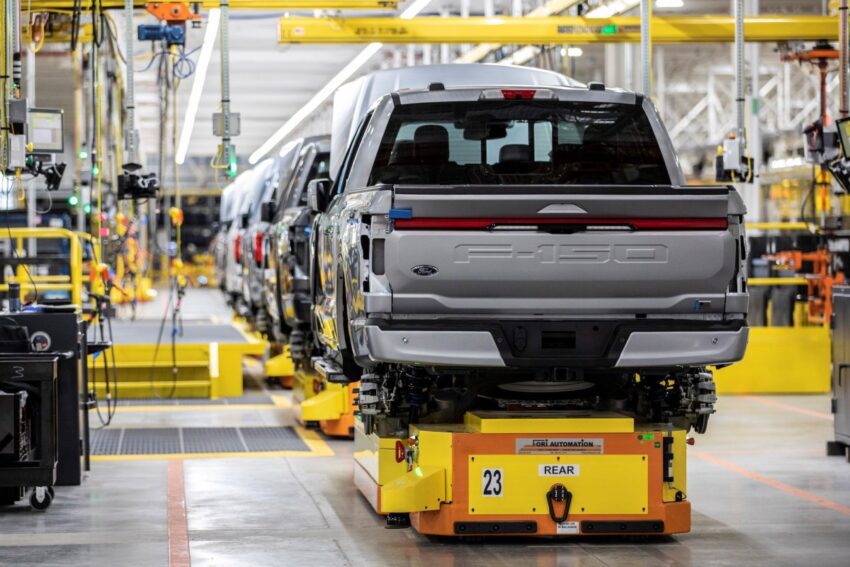
ford s next f-150 lightning will have Ford has announced a significant shift in its electric vehicle strategy, revealing that the next iteration of its F-150 Lightning will feature a gas generator, marking a departure from its previous commitment to all-electric pickups.
ford s next f-150 lightning will have
Ford’s Strategic Shift
In a surprising move, Ford Motor Company has decided to abandon its plans for a new all-electric pickup truck, codenamed “T3.” This decision comes alongside the company’s announcement to end production of the battery-only F-150 Lightning, a model that was initially heralded as a cornerstone of Ford’s electric vehicle strategy. The pivot away from large electric vehicles (EVs) signals a broader reevaluation of the company’s approach to the evolving automotive market.
Background on the F-150 Lightning
The F-150 Lightning was introduced as Ford’s first all-electric version of its best-selling F-Series truck. Launched in 2021, the Lightning was designed to appeal to both traditional truck buyers and environmentally conscious consumers. With impressive features such as a robust electric powertrain, advanced technology, and the ability to power tools and appliances, the Lightning aimed to redefine what a pickup truck could be in the electric era.
However, despite initial enthusiasm and strong pre-order numbers, the F-150 Lightning has faced several challenges. Production delays, supply chain issues, and rising costs have plagued the model, leading to questions about its viability in a competitive market. As Ford navigated these hurdles, the company began to reassess its long-term strategy for electric vehicles.
The Decision to Pivot
The decision to integrate a gas generator into the next F-150 Lightning is indicative of Ford’s shift in focus. By incorporating a gas generator, Ford aims to provide a backup power source for customers who may be concerned about the range limitations of electric vehicles. This move may also appeal to traditional truck buyers who prioritize utility and reliability over pure electric performance.
Reasons Behind the Shift
Several factors have contributed to Ford’s decision to pivot away from large EVs and the all-electric Lightning:
- Market Demand: The demand for electric vehicles is growing, but the market for large electric pickups remains uncertain. Many consumers still prefer traditional gas-powered trucks, particularly for heavy-duty applications.
- Cost Considerations: The rising costs of battery production and raw materials have made it increasingly challenging for automakers to produce affordable electric vehicles. By incorporating a gas generator, Ford can potentially reduce production costs while still offering a hybrid solution.
- Supply Chain Issues: Ongoing supply chain disruptions have impacted the availability of key components for electric vehicles. By pivoting to a hybrid model, Ford can mitigate some of these challenges and ensure a more stable production process.
- Consumer Preferences: Many consumers remain hesitant about fully committing to electric vehicles, particularly in regions where charging infrastructure is limited. A hybrid model offers the flexibility of both electric and gas power, catering to a broader audience.
Implications for Ford and the Automotive Industry
This strategic pivot has significant implications not only for Ford but also for the broader automotive industry. As one of the largest automakers in the world, Ford’s decisions can influence market trends and consumer behavior.
Impact on Ford’s Brand Image
Ford has positioned itself as a leader in the transition to electric vehicles, and this shift may raise questions about its commitment to sustainability. Critics may argue that incorporating a gas generator undermines the environmental benefits of electric vehicles. However, Ford may counter that this hybrid approach allows for a more gradual transition for consumers who are not yet ready to fully embrace electric technology.
Market Competition
Ford’s decision to pivot could also impact its competitive standing in the electric vehicle market. Rivals such as Tesla, Rivian, and General Motors continue to invest heavily in all-electric models. By introducing a hybrid solution, Ford may risk losing ground to competitors who are fully committed to electric technology. However, the company may also attract customers who prefer the flexibility of a hybrid vehicle.
Stakeholder Reactions
The announcement has elicited a range of reactions from stakeholders, including industry analysts, environmental advocates, and consumers.
Industry Analysts
Many industry analysts view Ford’s decision as a pragmatic response to current market realities. Some argue that the hybrid model could serve as a bridge for consumers transitioning to electric vehicles. Others express concern that this shift may hinder Ford’s long-term goals of achieving carbon neutrality and reducing greenhouse gas emissions.
Environmental Advocates
Environmental advocates have voiced mixed reactions to Ford’s pivot. While some appreciate the company’s willingness to adapt to consumer preferences, others argue that introducing a gas generator undermines the potential for significant emissions reductions. The debate highlights the ongoing tension between meeting consumer demands and pursuing sustainability goals.
Consumer Sentiment
Consumer reactions to the news have been varied. Some traditional truck buyers may welcome the hybrid model, appreciating the added flexibility and utility. However, electric vehicle enthusiasts may feel disappointed by Ford’s decision to move away from a fully electric offering. This divergence in consumer sentiment underscores the complexity of the automotive market as it evolves.
Future Prospects for Ford’s Electric Strategy
Looking ahead, Ford’s electric strategy will likely continue to evolve as the company navigates the challenges and opportunities presented by the changing automotive landscape. The integration of a gas generator into the F-150 Lightning may be just one step in a broader strategy to balance consumer preferences with sustainability goals.
Potential for Future Electric Models
While the abandonment of the “T3” electric pickup may seem like a setback, it is possible that Ford will explore new electric models in the future. The company has already invested heavily in electric vehicle technology and infrastructure, and it may seek to leverage these investments to develop innovative solutions that meet consumer needs.
Collaboration and Partnerships
Ford may also consider partnerships with technology companies and charging infrastructure providers to enhance its electric vehicle offerings. Collaborations could help address some of the challenges associated with electric vehicle adoption, such as range anxiety and charging accessibility.
Conclusion
Ford’s decision to integrate a gas generator into the next F-150 Lightning represents a significant pivot in its electric vehicle strategy. While this move may raise questions about the company’s commitment to sustainability, it also reflects a pragmatic response to current market realities. As Ford navigates this transition, the company will need to balance consumer preferences with its long-term goals for electric vehicle development.
As the automotive industry continues to evolve, Ford’s decisions will undoubtedly influence market trends and consumer behavior. The future of electric vehicles remains uncertain, but Ford’s adaptability may position it to thrive in a rapidly changing landscape.
Source: Original report
Was this helpful?
Explore more: More Hardware & Devices Tech News Blog
Last Modified: December 16, 2025 at 7:43 am
16 views