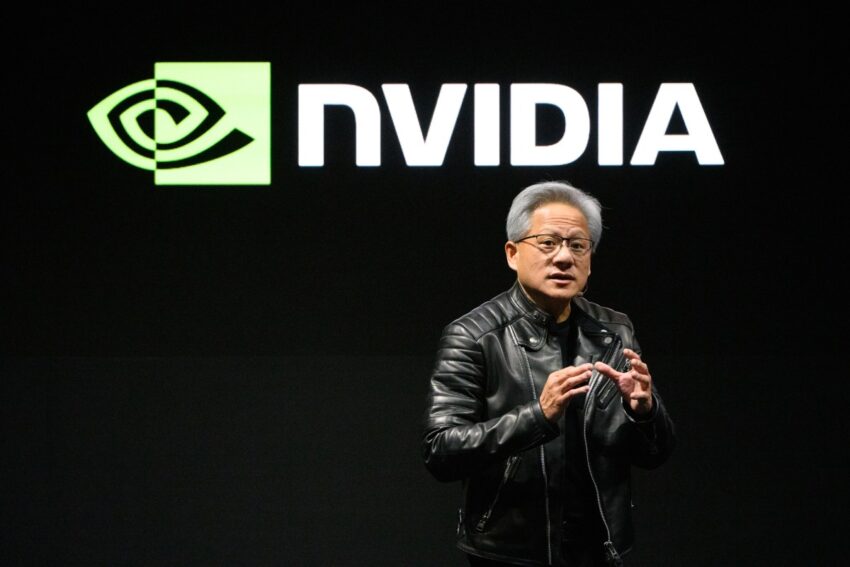
nvidia bulks up open source offerings with Nvidia has made significant strides in enhancing its open-source offerings through the acquisition of SchedMD, the lead developer of the Slurm workload manager, alongside the launch of the Nemotron 3 family of open-source AI models.
nvidia bulks up open source offerings with
Nvidia’s Strategic Acquisition of SchedMD
Nvidia’s acquisition of SchedMD marks a pivotal moment in the company’s strategy to bolster its open-source capabilities. SchedMD is renowned for developing Slurm, a highly scalable open-source workload manager used primarily in high-performance computing (HPC) environments. This acquisition is expected to not only enhance Nvidia’s existing portfolio but also expand its influence in the realm of open-source software.
The Importance of Slurm in High-Performance Computing
Slurm, which stands for Simple Linux Utility for Resource Management, is a critical tool for managing large clusters of computers. It is widely adopted in academic and research institutions, as well as in industries that require significant computational resources. The software allows users to allocate resources, schedule jobs, and monitor system performance efficiently. With the increasing demand for computational power driven by advancements in AI and machine learning, the role of workload managers like Slurm has become more crucial than ever.
By acquiring SchedMD, Nvidia aims to integrate Slurm more deeply into its ecosystem, potentially optimizing it for its own hardware and software solutions. This move could lead to improved performance and usability for users who rely on Nvidia’s GPUs for their computational needs.
Implications for the Open-Source Community
The acquisition is also significant for the open-source community. Nvidia’s commitment to open-source software has been growing, and this acquisition reinforces its dedication to fostering collaboration and innovation. By bringing Slurm under its umbrella, Nvidia can provide more resources for its development and maintenance, ensuring that it remains a robust and reliable tool for users worldwide.
Moreover, Nvidia’s involvement may lead to increased community engagement and contributions, as the company can leverage its vast network and resources to promote the use of Slurm in various sectors. This could result in more frequent updates, feature enhancements, and better support for users, ultimately benefiting the entire open-source ecosystem.
Launch of the Nemotron 3 Family of Open-Source AI Models
In conjunction with the acquisition, Nvidia has unveiled the Nemotron 3 family of open-source AI models. This new suite of models aims to provide developers and researchers with powerful tools for building AI applications without the constraints often associated with proprietary software.
Features and Capabilities of Nemotron 3
The Nemotron 3 models are designed to be versatile and adaptable, catering to a wide range of applications, from natural language processing to computer vision. Some of the key features include:
- Scalability: The models can be deployed across various platforms, from local machines to cloud environments, allowing users to scale their applications as needed.
- Interoperability: Nemotron 3 is built to work seamlessly with existing frameworks and libraries, making it easier for developers to integrate into their workflows.
- Community-Driven Development: As open-source models, users are encouraged to contribute to their development, fostering a collaborative environment for innovation.
Nvidia’s decision to launch these models as open-source is particularly noteworthy, as it reflects a growing trend in the tech industry towards transparency and collaboration. By providing access to powerful AI tools without the typical licensing fees, Nvidia is lowering the barriers to entry for developers and researchers, enabling more people to explore the potential of AI.
Potential Applications of Nemotron 3
The applications for the Nemotron 3 family are vast and varied. In the realm of natural language processing, these models can be utilized for tasks such as sentiment analysis, text generation, and language translation. In computer vision, they can assist in image recognition, object detection, and even video analysis.
Moreover, the flexibility of the Nemotron 3 models allows them to be adapted for specific use cases, whether in healthcare, finance, or entertainment. For instance, in healthcare, these models could be used to analyze medical images or assist in diagnosing conditions based on patient data. In finance, they could help in fraud detection or algorithmic trading. The possibilities are nearly limitless, and the open-source nature of these models encourages experimentation and innovation.
Reactions from Stakeholders
The acquisition of SchedMD and the launch of the Nemotron 3 models have elicited a range of reactions from various stakeholders in the tech community.
Industry Experts
Industry experts have generally welcomed Nvidia’s moves, recognizing the potential benefits for both the company and the broader open-source community. Many see the acquisition as a strategic play to enhance Nvidia’s position in the HPC market, which is increasingly intertwined with AI development. The launch of the Nemotron 3 models is viewed as a timely response to the growing demand for accessible AI tools.
Developers and Researchers
Developers and researchers have expressed enthusiasm about the availability of the Nemotron 3 models. The open-source nature of these models is particularly appealing, as it allows for greater flexibility and customization. Many in the community appreciate Nvidia’s commitment to providing powerful tools without the constraints of proprietary software, which can often limit innovation.
Concerns and Criticisms
However, there are also concerns regarding Nvidia’s increasing influence in the open-source space. Some critics argue that while the acquisition may benefit the development of Slurm, it could also lead to a consolidation of power that stifles competition. There are fears that Nvidia’s involvement could result in a shift in priorities that may not align with the core values of the open-source community.
Future Prospects for Nvidia and Open Source
Nvidia’s recent developments signal a broader trend towards open-source collaboration in the tech industry. As companies increasingly recognize the value of open-source software, the landscape is evolving rapidly. Nvidia’s acquisition of SchedMD and the launch of the Nemotron 3 models position the company as a key player in this movement.
Looking ahead, it will be essential for Nvidia to navigate the complexities of the open-source community while maintaining its competitive edge. Balancing commercial interests with the principles of open-source collaboration will be crucial for the company’s long-term success.
Potential Collaborations and Partnerships
As Nvidia continues to expand its open-source offerings, potential collaborations and partnerships with other organizations could further enhance its capabilities. By working with universities, research institutions, and other tech companies, Nvidia can foster innovation and drive advancements in AI and HPC.
Conclusion
Nvidia’s acquisition of SchedMD and the launch of the Nemotron 3 family of open-source AI models represent significant steps forward in the company’s commitment to open-source software. These developments not only enhance Nvidia’s portfolio but also contribute to the broader open-source ecosystem, providing developers and researchers with powerful tools to advance their work. As the tech industry continues to evolve, Nvidia’s role in shaping the future of open-source AI will be closely watched.
Source: Original report
Was this helpful?
Explore more: AI Automation Services More AI & Automation Tech News
Last Modified: December 16, 2025 at 7:40 am
23 views