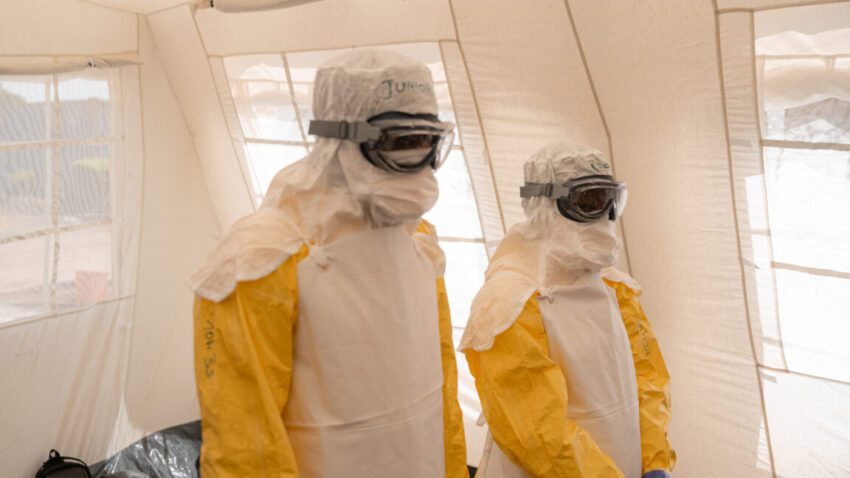
ebola cases in drc rise to 676 As the Ebola outbreak in the Democratic Republic of the Congo (DRC) continues to escalate, health officials are grappling with a rising number of cases and fatalities, raising concerns about the effectiveness of their response strategies.
ebola cases in drc rise to 676
Current Situation of the Outbreak
As of June 11, 2026, the DRC has reported a total of 676 confirmed cases of Ebola, with 136 deaths attributed to the virus. Additionally, there are 119 suspected cases under investigation. The outbreak, which is linked to the Bundibugyo strain of Ebolavirus, has already become the third largest Ebola outbreak in recorded history. This alarming rise in cases has prompted urgent calls for enhanced public health measures and international support.
Regional Impact: Uganda’s Situation
In neighboring Uganda, the situation is also concerning, with reports indicating 19 confirmed cases and two deaths. The proximity of these cases to the DRC outbreak raises fears of cross-border transmission, which could exacerbate an already critical public health crisis. Uganda has a history of dealing with Ebola outbreaks, having experienced several in the past, but the current situation presents unique challenges due to the scale and rapid spread of the virus.
Background of the Outbreak
The current Ebola outbreak was officially declared on May 15, 2026, but health experts believe that the virus had been circulating undetected for several months prior to this announcement. This delayed recognition has complicated containment efforts, as the virus can spread rapidly in communities before it is identified. The Bundibugyo strain, while less lethal than some other strains, still poses a significant threat to public health, particularly in regions with limited healthcare infrastructure.
Understanding the Bundibugyo Strain
The Bundibugyo strain of Ebolavirus was first identified during an outbreak in Uganda in 2007. It is known to cause severe hemorrhagic fever, with symptoms that include fever, vomiting, diarrhea, and in some cases, internal and external bleeding. The mortality rate for this strain can vary, but it is generally lower than that of the Zaire strain, which has been responsible for some of the deadliest outbreaks in history. However, the potential for rapid transmission and the strain’s ability to mutate pose ongoing risks.
Response Efforts and Challenges
Health officials in the DRC are currently facing significant challenges in their response to the outbreak. Despite the efforts to track and contain the virus, the rising number of cases indicates that existing measures may not be sufficient. The DRC’s healthcare system has historically struggled with issues such as inadequate funding, limited access to medical supplies, and a shortage of trained healthcare professionals. These systemic weaknesses are exacerbated during outbreaks, making it difficult to implement effective containment strategies.
International Support and Collaboration
In light of the escalating outbreak, international organizations such as the World Health Organization (WHO) have mobilized resources to assist the DRC in its response efforts. This includes deploying teams of experts to help with contact tracing, vaccination campaigns, and public health messaging. However, the scale of the outbreak and the logistical challenges of operating in remote areas present significant hurdles to effective intervention.
Public Health Messaging and Community Engagement
Effective public health messaging is crucial in managing the outbreak. Health officials are working to educate communities about the symptoms of Ebola, the importance of seeking medical care, and preventive measures such as avoiding contact with infected individuals. Community engagement is essential, as misinformation and fear can hinder response efforts. Local leaders and health workers play a vital role in disseminating accurate information and encouraging individuals to adhere to health guidelines.
The Role of Vaccination
Vaccination is a key component of the response strategy. The rVSV-ZEBOV vaccine, which has shown promise in protecting against the Zaire strain, is being evaluated for its effectiveness against the Bundibugyo strain. Vaccination campaigns are being planned to target high-risk populations, particularly in areas with confirmed cases. However, logistical challenges, including vaccine storage and distribution, must be addressed to ensure that vaccines reach those in need.
Implications for Regional Stability
The ongoing Ebola outbreak has implications that extend beyond public health. The DRC is already facing numerous challenges, including political instability, economic hardship, and ongoing conflict in various regions. The outbreak could exacerbate these issues, leading to increased displacement of populations and further strain on already limited resources. Additionally, the potential for cross-border transmission to neighboring countries like Uganda could destabilize the region further, necessitating coordinated responses from multiple governments and international organizations.
Stakeholder Reactions
Reactions from various stakeholders have highlighted the urgency of the situation. Local health officials have expressed concerns about the adequacy of resources and support, while international organizations are calling for increased funding and collaboration. Community leaders emphasize the importance of trust and communication in managing the outbreak, urging the public to remain vigilant and informed. The situation has also drawn attention from global health advocates, who are calling for a renewed commitment to addressing infectious diseases in vulnerable regions.
Looking Ahead: Future Challenges and Considerations
As the DRC continues to grapple with the Ebola outbreak, several challenges lie ahead. The potential for the virus to spread further, both within the DRC and to neighboring countries, remains a pressing concern. Continued surveillance, rapid response capabilities, and effective public health messaging will be essential in controlling the outbreak. Additionally, addressing the underlying healthcare system weaknesses will be crucial for long-term resilience against future outbreaks.
The Importance of Global Health Security
The current outbreak underscores the importance of global health security and the need for robust international collaboration in addressing infectious diseases. The interconnectedness of our world means that outbreaks can quickly transcend borders, making it imperative for countries to work together in surveillance, response, and prevention efforts. Strengthening healthcare systems, investing in research and development for vaccines and treatments, and enhancing community engagement are vital components of a comprehensive approach to global health security.
Conclusion
The rise in Ebola cases in the DRC serves as a stark reminder of the ongoing threat posed by infectious diseases. As health officials work tirelessly to contain the outbreak, the importance of international support, effective public health messaging, and community engagement cannot be overstated. The coming weeks will be critical in determining the trajectory of this outbreak and the broader implications for public health in the region.
Source: Original report
Was this helpful?
Explore more: More General Technology Tech News Blog
Last Modified: June 12, 2026 at 6:36 pm
11 views