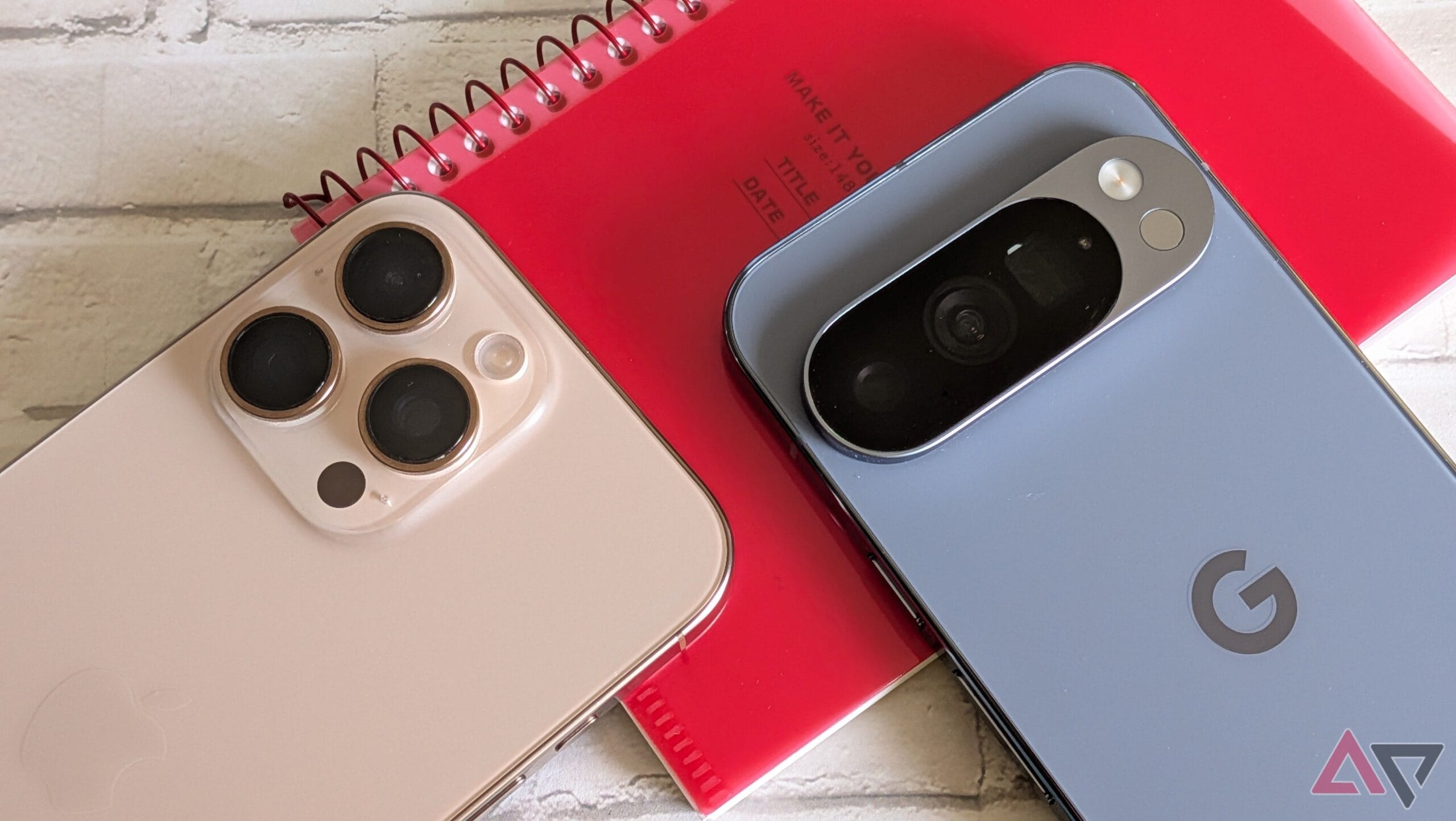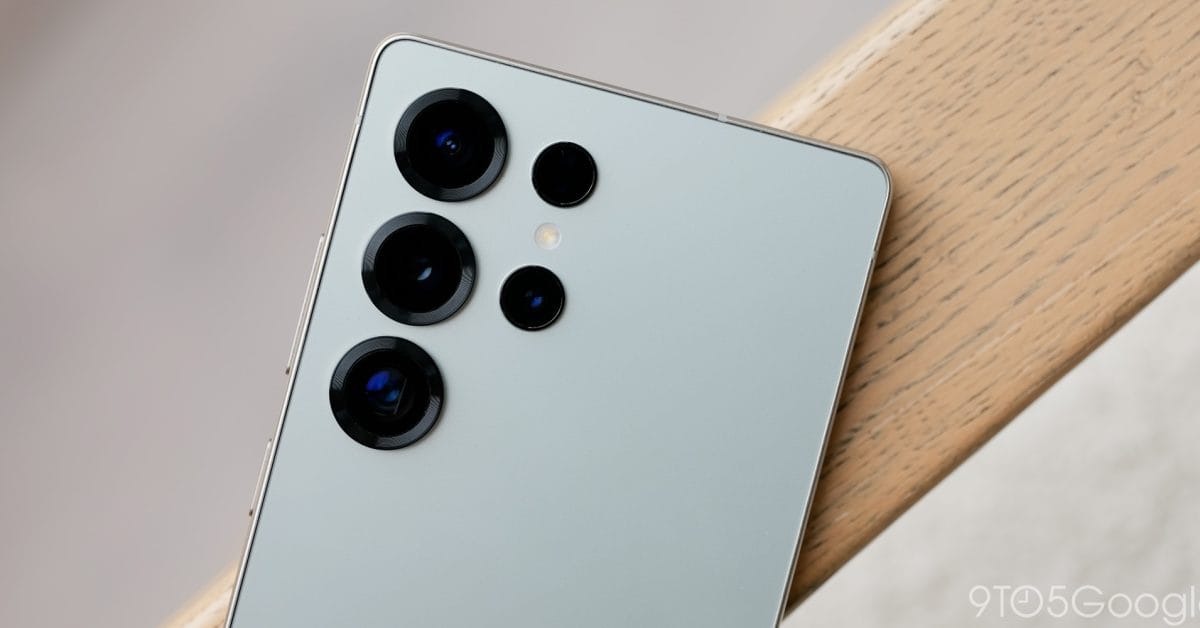
apple s lost focus how to regain Apple’s recent smartphone launches have drawn criticism, highlighting a perceived decline in innovation and excitement surrounding the brand.
apple s lost focus how to regain
The Current State of Apple’s Smartphone Launches
In recent years, Apple has faced increasing scrutiny regarding its smartphone launches. Once celebrated for their groundbreaking technology and design, the latest releases have been met with a sense of disappointment among consumers and industry analysts alike. The excitement that once surrounded these events seems to have waned, leaving many to question whether Apple can regain its former glory.
Stagnation in Innovation
One of the most significant criticisms directed at Apple is the stagnation in innovation. The company has long been regarded as a leader in technology, consistently pushing the boundaries of what is possible in the smartphone market. However, recent iterations of the iPhone have introduced only incremental upgrades rather than revolutionary changes. Features that once captivated audiences, such as the introduction of the iPhone in 2007, have been replaced by minor enhancements that fail to inspire.
For instance, while the latest iPhone models boast improved cameras and slightly faster processors, these upgrades are often seen as insufficient to justify the premium price tag. The lack of groundbreaking features has led to a growing sentiment that Apple is no longer at the forefront of innovation. This perception is particularly concerning given the competitive landscape, where rivals are continually introducing new technologies and features that capture consumer interest.
Consumer Expectations and Market Trends
Consumer expectations have evolved significantly over the years. As technology has advanced, users have come to expect more from their devices. The smartphone market is now saturated with options, and consumers are increasingly discerning about their purchases. With competitors like Samsung, Google, and OnePlus offering compelling alternatives, Apple must work harder to differentiate itself and meet the demands of its customer base.
Moreover, the rise of budget-friendly smartphones has shifted consumer priorities. Many users are now seeking value for money, leading to a growing preference for devices that offer essential features at a lower price point. This trend poses a challenge for Apple, which has historically positioned itself as a premium brand. The company must find a way to balance its premium pricing strategy with the need to deliver exceptional value to consumers.
Implications for Apple’s Brand Identity
Apple’s brand identity has long been synonymous with innovation, quality, and exclusivity. However, the recent stagnation in product launches threatens to undermine this carefully cultivated image. As consumers become disillusioned with the lack of exciting new features, the risk of brand dilution increases. Apple must address these concerns to maintain its status as a leader in the technology sector.
The Importance of User Experience
At the core of Apple’s success has always been its focus on user experience. The seamless integration of hardware and software has set Apple apart from its competitors. However, as the company continues to release products that lack significant advancements, the user experience may suffer. Consumers expect not only new features but also improvements in usability, design, and performance.
To regain momentum, Apple must prioritize user experience in its product development process. This includes not only enhancing existing features but also reimagining how users interact with their devices. By focusing on creating a more intuitive and engaging experience, Apple can rekindle consumer interest and loyalty.
Stakeholder Reactions
The reactions from stakeholders, including investors, analysts, and consumers, have been mixed. While some continue to express confidence in Apple’s ability to innovate, others are growing increasingly skeptical. Investors are particularly concerned about the company’s long-term growth prospects in a rapidly changing market.
Analysts have pointed out that Apple needs to diversify its product offerings beyond smartphones. The company has made strides in areas such as wearables and services, but there is still a significant reliance on iPhone sales for revenue. This dependence poses a risk, especially as smartphone sales plateau globally. Investors are urging Apple to explore new markets and technologies to ensure sustainable growth.
Strategies for Regaining Momentum
To regain its momentum, Apple must adopt a multifaceted approach that addresses both product innovation and market dynamics. Here are several strategies the company could consider:
1. Emphasizing Research and Development
Investing in research and development (R&D) is crucial for Apple to stay ahead of the competition. By allocating more resources to R&D, the company can explore new technologies, such as artificial intelligence, augmented reality, and advanced materials. These innovations could lead to the development of groundbreaking products that capture consumer interest and set Apple apart from its competitors.
2. Expanding Product Lines
Diversifying product offerings beyond smartphones is essential for Apple’s long-term growth. The company has already made strides in wearables, such as the Apple Watch and AirPods, but there is potential for further expansion. Exploring new categories, such as smart home devices or health-focused technology, could open up new revenue streams and attract a broader customer base.
3. Enhancing Customer Engagement
Apple should focus on enhancing customer engagement through personalized experiences and improved customer service. This could involve leveraging data analytics to better understand consumer preferences and tailoring marketing efforts accordingly. By fostering a stronger connection with its customers, Apple can build loyalty and encourage repeat purchases.
4. Revamping Marketing Strategies
The marketing strategies employed by Apple should also be reevaluated. The company has historically relied on its brand reputation and high-profile launch events to generate excitement. However, as consumer preferences shift, Apple may need to adopt a more targeted approach that emphasizes the unique value propositions of its products. Engaging with consumers through social media and influencer partnerships could help create buzz around new releases.
5. Listening to Consumer Feedback
Finally, Apple must prioritize listening to consumer feedback. Understanding the needs and desires of its customer base is essential for developing products that resonate with users. By actively soliciting feedback and incorporating it into the product development process, Apple can ensure that its offerings align with consumer expectations.
Conclusion
Apple stands at a crossroads as it navigates the challenges of a rapidly evolving smartphone market. While recent launches have disappointed many, the company has the potential to regain its momentum by embracing innovation, enhancing user experience, and diversifying its product offerings. By prioritizing research and development, listening to consumer feedback, and adapting its marketing strategies, Apple can work towards reestablishing itself as a leader in the technology sector. The road ahead may be challenging, but with a renewed focus on its core values, Apple can once again capture the imagination of consumers and thrive in an increasingly competitive landscape.
Source: Original report
Was this helpful?
Explore more: More Big Tech & Platforms Tech News Blog
Last Modified: September 10, 2025 at 2:04 am
8 views