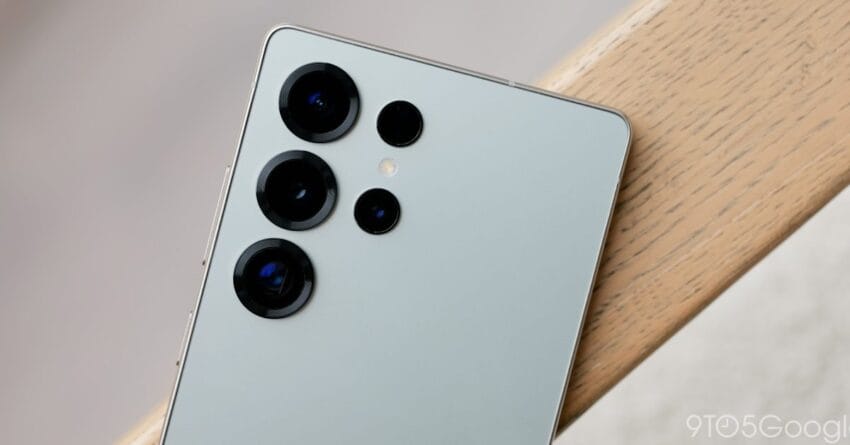
galaxy s26 ultra could double its camera Samsung’s upcoming Galaxy S26 Ultra is reportedly set to feature a significantly larger camera bump, raising questions about the necessity and implications of this design choice.
galaxy s26 ultra could double its camera
The Evolution of Smartphone Design
Smartphone design has undergone a remarkable transformation over the past decade. From the introduction of the first smartphones to today’s advanced devices, manufacturers have continuously sought to enhance functionality while maintaining aesthetic appeal. The camera has become a focal point in this evolution, with consumers increasingly prioritizing photographic capabilities in their purchasing decisions.
As smartphone cameras have improved, so too have the physical components that support them. Larger sensors, multiple lenses, and advanced optical technologies have all contributed to the growing size of camera modules. However, this trend has also led to the emergence of substantial camera bumps, which can detract from the sleekness of a device.
The Galaxy S26 Ultra: A Closer Look
According to recent reports, the Galaxy S26 Ultra could feature a camera bump that is twice the size of its predecessor. This design choice mirrors the controversial camera bump seen in the Galaxy Z Fold 7, which has received mixed reviews from consumers and critics alike. While the Z Fold 7’s camera capabilities are impressive, the size of the bump has been criticized for making the device less aesthetically pleasing and more cumbersome to use.
Design Implications
The decision to increase the camera bump size on the Galaxy S26 Ultra raises several questions. Primarily, what benefits will this larger bump provide to users? Current reports suggest that there will be no significant changes to the sensor lineup, which means that the increase in size may not translate into improved photographic performance.
In an age where consumers are increasingly concerned about the aesthetics of their devices, a larger camera bump could be seen as a step backward. Many users prefer a streamlined design that fits comfortably in their pockets or bags, and a bulky camera module could deter potential buyers.
Market Trends and Consumer Preferences
Understanding market trends and consumer preferences is crucial for manufacturers like Samsung. The smartphone market is highly competitive, with brands constantly vying for consumer attention. As a result, companies must balance innovation with user experience. While advanced camera technology is a selling point, it must not come at the cost of overall design and usability.
Recent surveys indicate that consumers prioritize several factors when selecting a smartphone, including camera quality, battery life, and design. A significant increase in camera bump size could negatively impact the perceived value of the Galaxy S26 Ultra if users feel that it compromises the device’s overall aesthetics and functionality.
Technical Considerations
From a technical standpoint, the decision to enlarge the camera bump may be driven by the need to accommodate new technologies. As smartphone cameras evolve, they often require additional space for improved optics, stabilization mechanisms, and other enhancements. However, if the S26 Ultra’s bump is merely a cosmetic change without substantial upgrades in camera performance, it could lead to consumer dissatisfaction.
Potential Benefits of a Larger Camera Bump
While there are concerns about the larger camera bump, it is essential to consider potential benefits that could accompany this design choice:
- Improved Heat Dissipation: A larger camera module may allow for better heat dissipation, which can enhance performance during extended use, especially in high-resolution photography or video recording.
- Enhanced Optical Features: Although reports suggest no changes to the sensor lineup, a larger bump could potentially accommodate future optical enhancements, such as improved zoom capabilities or advanced image stabilization.
- Increased Durability: A more robust camera module may offer better protection against drops and impacts, which is a common concern for smartphone users.
Consumer Reactions
As news of the Galaxy S26 Ultra’s design spreads, consumer reactions have been mixed. Some users express excitement about the potential for improved camera technology, while others voice concerns about the practicality of a larger camera bump. Social media platforms and tech forums have become battlegrounds for discussions surrounding this design choice.
Some consumers argue that the size of the camera bump is becoming excessive, with many preferring a more balanced design that integrates the camera seamlessly into the device’s body. Others, however, are willing to overlook aesthetic concerns if the camera performance meets or exceeds expectations.
Comparative Analysis with Competitors
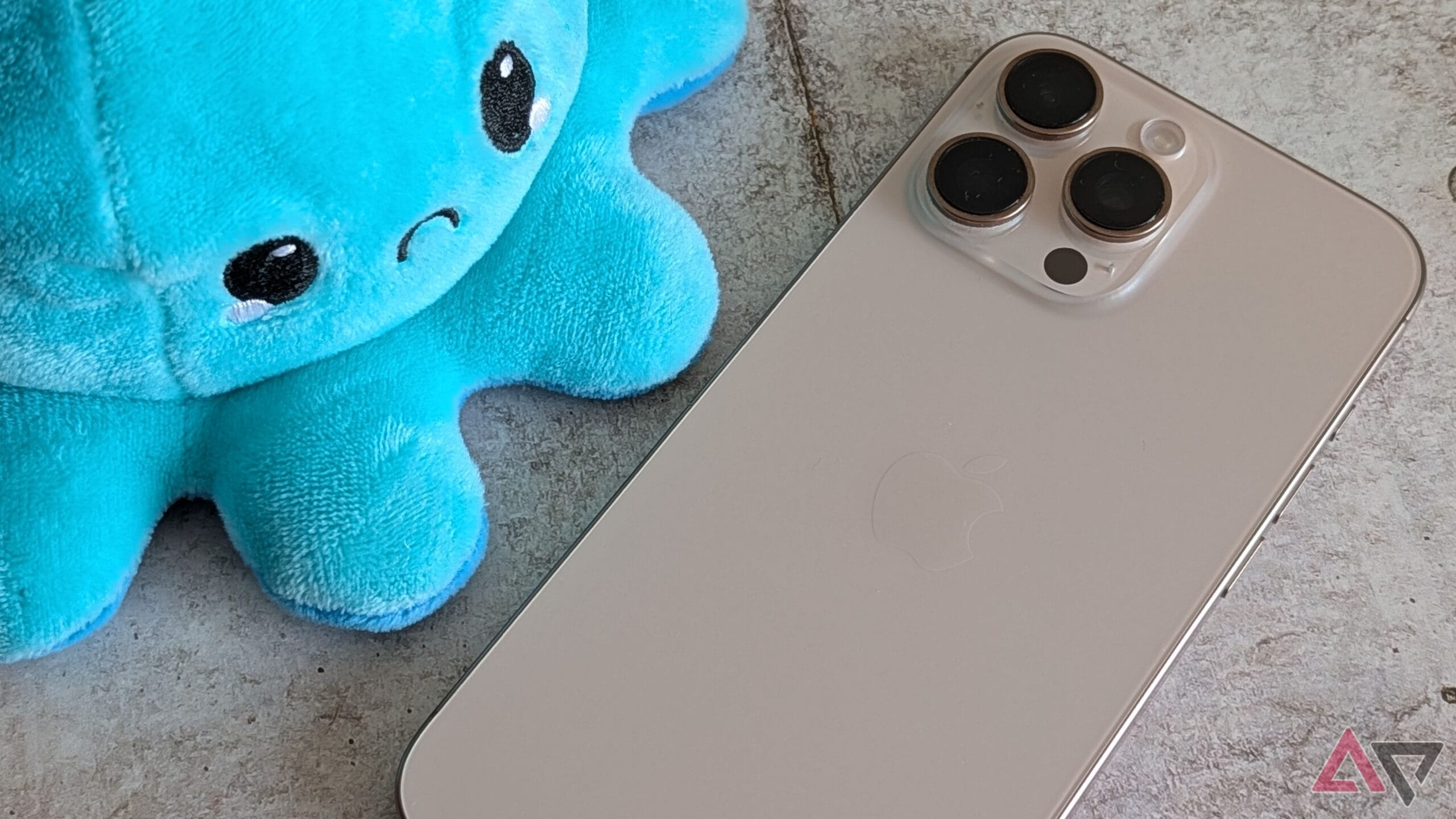
Samsung is not the only manufacturer grappling with the challenge of balancing camera technology and design. Competitors such as Apple and Google have also faced scrutiny regarding the size of their camera modules. Apple’s iPhone series, for example, has seen significant camera bumps, particularly in the Pro models. However, Apple has managed to maintain a cohesive design language that resonates with consumers.
Google’s Pixel series has also prioritized camera performance, often featuring large camera modules. However, Google has focused on software optimization to enhance photographic capabilities, which has allowed them to maintain a more streamlined design.
Future of Smartphone Cameras
The future of smartphone cameras will likely continue to evolve, with manufacturers exploring new technologies and design philosophies. As consumers demand higher-quality images and innovative features, companies must adapt to meet these expectations without compromising overall device usability.
Emerging technologies such as computational photography, AI-driven enhancements, and advanced sensor technologies may play a crucial role in shaping the next generation of smartphone cameras. These advancements could potentially reduce the need for larger camera bumps, allowing for sleeker designs while still delivering exceptional photographic performance.
Conclusion
The Galaxy S26 Ultra’s potential doubling of its camera bump size raises important questions about the balance between design and functionality in modern smartphones. While larger camera modules may offer some technical advantages, the lack of significant changes to the sensor lineup could lead to consumer dissatisfaction.
As the smartphone market continues to evolve, manufacturers must remain attuned to consumer preferences and market trends. The challenge lies in delivering cutting-edge technology while maintaining a design that resonates with users. The Galaxy S26 Ultra will undoubtedly be a focal point in this ongoing conversation, and its reception will provide valuable insights into the future of smartphone design.
Source: Original report
Was this helpful?
Explore more: Mobile App Development More Mobile Technology Tech News
Last Modified: September 10, 2025 at 2:03 am
5 views