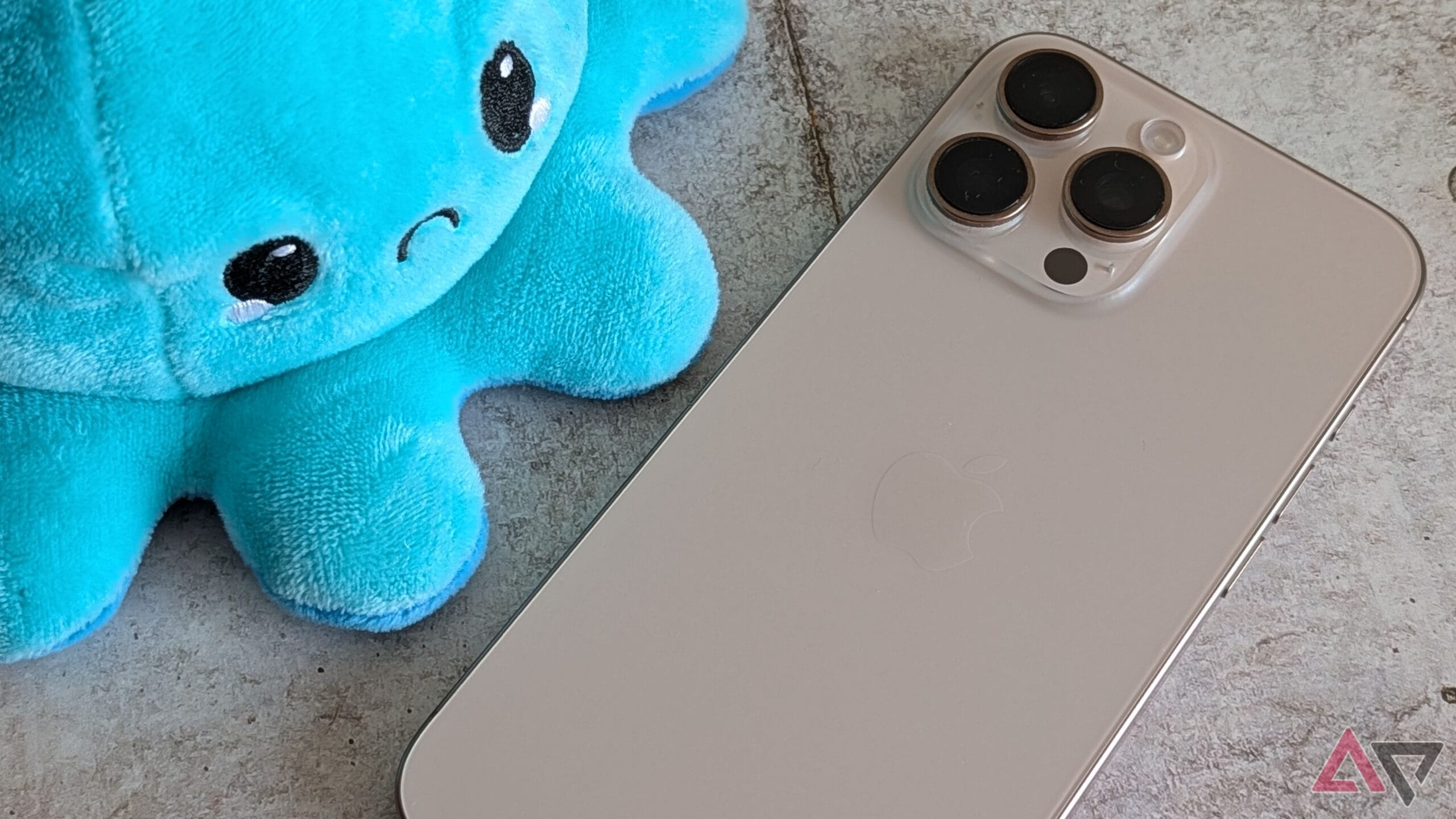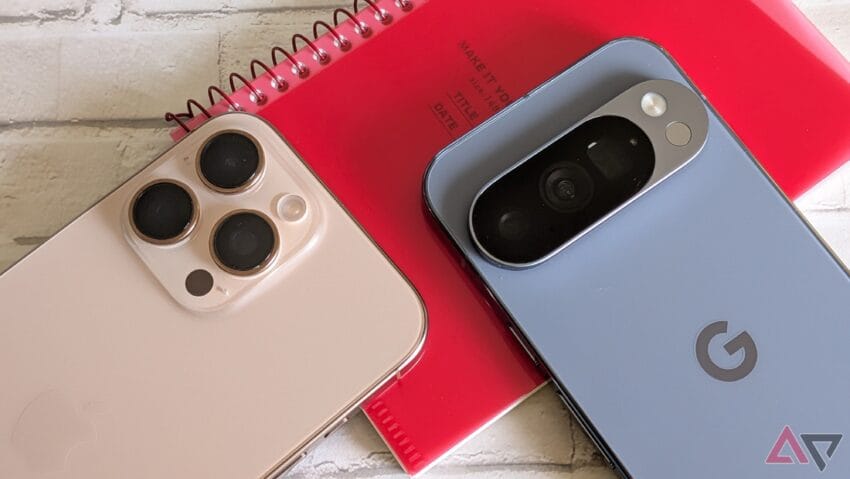
google s pixel 10 strategy following apple Google is strategically aligning its Pixel 10 smartphone with successful elements of Apple’s product strategy.
google s pixel 10 strategy following apple
Google’s Smartphone Evolution
In recent years, Google has made significant strides in the smartphone market, transforming its Pixel line from a series of underwhelming devices to strong competitors within the Android ecosystem. The journey has not been without its challenges, but the company has managed to carve out a niche for itself, appealing to consumers who prioritize camera quality, software integration, and a clean Android experience.
Historically, Google’s smartphones faced criticism for their hardware shortcomings and inconsistent performance. However, with the introduction of the Pixel 6 and 7 series, the company began to receive positive feedback for its innovative features and overall user experience. The Pixel 6’s custom Tensor chip, for instance, marked a significant turning point, allowing Google to optimize performance and enhance machine learning capabilities tailored specifically for its devices.
Learning from Apple
As Google prepares to launch the Pixel 10, it appears to be taking cues from Apple’s successful strategies. Apple has long been known for its ability to create a seamless ecosystem that encourages customer loyalty and repeat purchases. Google seems to be adopting a similar approach, focusing on building a cohesive experience across its devices and services.
Building an Ecosystem
Apple’s ecosystem is one of its most significant advantages, allowing users to transition smoothly between devices such as iPhones, iPads, and Macs. Google is working to replicate this model by integrating its hardware and software offerings more closely. The Pixel 10 is expected to be part of a broader strategy that includes enhancements to Google services like Google Assistant, Google Photos, and Google Drive, making them more indispensable to users.
By ensuring that the Pixel 10 works seamlessly with other Google products, the company can encourage users to remain within its ecosystem. This strategy not only enhances user satisfaction but also increases the likelihood of customers purchasing additional Google devices in the future.
Focus on Software and Updates
Another area where Google is following Apple’s lead is in software updates. Apple has a reputation for providing long-term support for its devices, often offering software updates for several years after a product’s release. Google has committed to improving its update policy, promising at least three years of major Android updates and five years of security updates for its Pixel devices. This commitment is crucial in establishing trust with consumers who are increasingly concerned about the longevity of their devices.
By prioritizing software updates, Google not only enhances the user experience but also positions the Pixel 10 as a more attractive option compared to competitors that may not offer the same level of support. This strategy could help Google capture a larger share of the market, particularly among consumers who value longevity and reliability in their devices.
Camera Innovations
One of the standout features of the Pixel lineup has always been its camera capabilities. Google has consistently pushed the envelope with its computational photography techniques, allowing users to capture stunning images without the need for advanced hardware. The Pixel 10 is expected to build on this legacy, introducing new camera features that leverage the power of the Tensor chip.
Computational Photography Advancements
With each new iteration, Google has introduced innovative features such as Night Sight, which allows for impressive low-light photography, and Magic Eraser, which enables users to remove unwanted objects from their photos. The Pixel 10 is anticipated to include even more advanced features, possibly incorporating AI-driven enhancements that further improve image quality and user experience.
These advancements not only set the Pixel 10 apart from its competitors but also reinforce Google’s position as a leader in smartphone photography. By continuing to innovate in this area, Google can attract photography enthusiasts and casual users alike, further solidifying its market presence.
Pricing Strategy
Pricing is another critical aspect of Google’s strategy as it prepares to launch the Pixel 10. Apple has successfully positioned its products as premium offerings, often commanding higher prices due to brand loyalty and perceived value. Google, on the other hand, has traditionally aimed for a more budget-friendly approach, but this may be shifting with the Pixel 10.
Premium Features at Competitive Prices
While the Pixel 10 is expected to include premium features, Google may adopt a pricing strategy that still appeals to a broader audience. By offering high-end specifications at a competitive price point, Google can attract consumers who may be hesitant to invest in more expensive devices from Apple or Samsung.
This strategy could also help Google capture market share in regions where consumers are more price-sensitive. By providing a compelling alternative to flagship devices from established brands, Google can position the Pixel 10 as an attractive option for those seeking quality without breaking the bank.
Stakeholder Reactions
The anticipation surrounding the Pixel 10 has generated various reactions from stakeholders, including consumers, industry analysts, and competitors. Many are eager to see how Google’s strategy will unfold and whether it can successfully challenge the dominance of Apple and Samsung in the premium smartphone market.
Consumer Expectations
Consumers are increasingly looking for devices that offer value, performance, and longevity. The Pixel 10’s promise of enhanced software support and innovative camera features has generated excitement among existing Pixel users and potential customers. Many are hopeful that Google will deliver a device that meets their expectations and solidifies the Pixel brand’s reputation.
Industry Analysts’ Insights
Industry analysts have noted that Google’s shift towards a more cohesive ecosystem and commitment to software updates could be a game-changer. If successful, this strategy could lead to increased customer loyalty and a stronger market position. Analysts are particularly interested in how the Pixel 10’s camera innovations will perform against competitors, as this has historically been a significant selling point for the Pixel line.
Competitive Landscape
Competitors are also closely monitoring Google’s moves. Apple and Samsung have established strong footholds in the premium smartphone market, and any shift in consumer preferences could impact their sales. As Google continues to refine its strategy, it remains to be seen how established players will respond, particularly in terms of pricing and feature offerings.
Conclusion
Google’s approach to the Pixel 10 reflects a thoughtful strategy that draws inspiration from Apple’s successful playbook. By focusing on building a cohesive ecosystem, committing to software updates, and enhancing camera capabilities, Google aims to position the Pixel 10 as a formidable contender in the smartphone market. As the launch date approaches, all eyes will be on Google to see if it can deliver on its promises and continue its upward trajectory in the competitive landscape.
Source: Original report
Was this helpful?
Explore more: More Big Tech & Platforms Tech News Blog
Last Modified: September 10, 2025 at 2:05 am
9 views