apple ratchets up prices blames the cost Apple has announced significant price increases across a wide range of its product lineup, attributing the changes primarily to the rising costs of memory components.
apple ratchets up prices blames the cost
Price Increases Across the Product Lineup
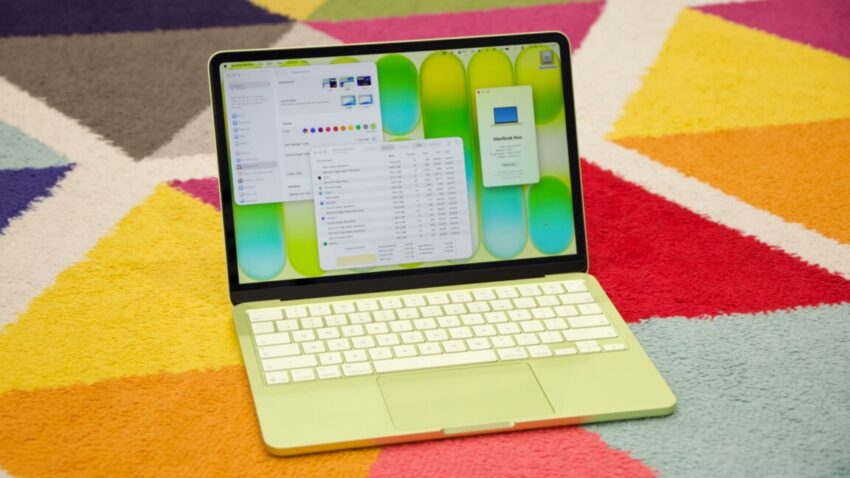
In a move that has caught the attention of consumers and industry analysts alike, Apple has raised prices on many of its flagship products. The adjustments vary widely, with some models seeing increases of several hundred dollars. For instance, the entry-level MacBook Neo, which was previously priced at $599, will now retail for $699. This marks a notable shift in Apple’s pricing strategy, particularly for entry-level devices that are often seen as gateways for new customers.
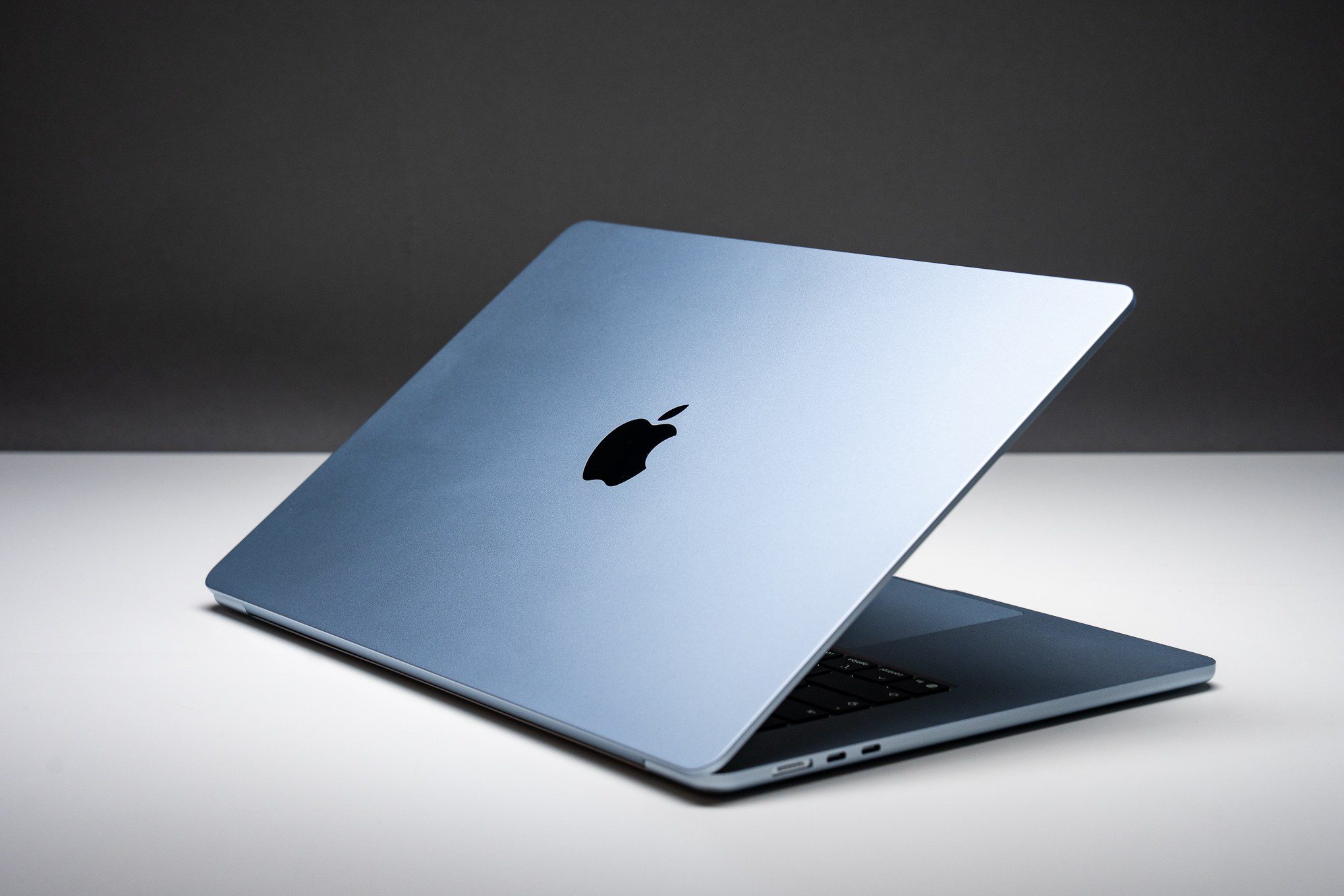
Similarly, the iMac, which was once available for $1,299, will now be offered at a price point of $1,499. This $200 increase is significant, especially for consumers who may have been considering an upgrade or a first-time purchase. The M5 MacBook Pro, previously priced at $1,699, will now cost $1,999, reflecting a $300 hike. At the high end of the spectrum, the M3 Ultra Mac Studio, equipped with 96GB of memory, has seen a staggering $1,300 increase, bringing its price to $5,299.
Impact on iPad and Other Devices
The price adjustments are not limited to Macs. The iPad line is also experiencing increases, with prices rising between $100 and $200 depending on the specific model. This trend indicates that Apple is not only adjusting prices for its higher-end products but is also extending these changes to its more affordable devices, which could impact a broader segment of its customer base.
Additionally, smaller price increases have been observed in products like the Apple TV and HomePod. While the price of iPhones remains unchanged for the time being, the overall trend suggests that consumers may need to prepare for potential future increases across the board.
The Rationale Behind the Increases
Apple’s CEO, Tim Cook, addressed the reasons behind these price hikes in an interview with The Wall Street Journal earlier this month. According to Cook, the primary driver of these increases is the soaring cost of memory components, which are essential for the performance and functionality of many of Apple’s devices. “Unfortunately, price increases are unavoidable,” Cook stated. “We’re doing our best to mitigate the huge increases that are being passed to us, and we’ve been trying to shield our customers from the increases, but the situation has become unsustainable.”
This acknowledgment from Cook highlights the challenges that Apple is facing in the current economic climate. The semiconductor industry has been grappling with supply chain disruptions, increased demand, and rising raw material costs, all of which have contributed to the escalating prices of memory components. As a result, companies like Apple are left with little choice but to pass some of these costs onto consumers.
Context of Rising Memory Costs
The rising costs of memory are not unique to Apple; they reflect broader trends within the technology sector. The global semiconductor shortage, which has persisted since the onset of the COVID-19 pandemic, has created significant supply chain challenges. As demand for electronic devices surged during lockdowns, manufacturers struggled to keep up, leading to increased prices for critical components like memory chips.
Furthermore, geopolitical factors, such as trade tensions and tariffs, have also played a role in driving up costs. As companies navigate these complexities, the financial pressures are often felt by consumers, who may find themselves facing higher prices for the latest technology.
Consumer Reactions and Market Implications
The response from consumers to Apple’s price increases has been mixed. While some loyal customers may continue to purchase Apple products regardless of price, others may reconsider their options, especially in a market where alternatives are available. The tech industry is highly competitive, and companies like Samsung, Dell, and Microsoft are poised to capitalize on any potential shifts in consumer behavior.
For many consumers, the price increases could lead to a reevaluation of their purchasing decisions. Those who were previously inclined to invest in new Apple devices may now opt for older models or consider competitors that offer similar features at lower price points. This shift could have significant implications for Apple’s market share, particularly in the entry-level and mid-range segments.
Potential Long-Term Effects on Apple’s Brand
Apple has long been known for its premium pricing strategy, which is often justified by the brand’s reputation for quality and innovation. However, as prices continue to rise, the company may risk alienating some of its customer base. The perception of value is crucial in consumer electronics, and if customers begin to feel that they are not receiving commensurate value for the higher prices, it could impact Apple’s brand loyalty.
Moreover, the price increases come at a time when economic uncertainty is prevalent. Inflationary pressures and rising living costs are prompting consumers to be more cautious with their spending. In this environment, discretionary purchases like new electronics may be deprioritized, further complicating Apple’s sales outlook.
Looking Ahead: What This Means for Apple and Its Customers
As Apple navigates these price increases, the company will need to carefully monitor consumer reactions and market trends. The tech giant has historically been adept at maintaining its brand image and customer loyalty, but the current economic landscape presents new challenges. The balance between maintaining profitability and ensuring customer satisfaction will be crucial in the coming months.
Additionally, Apple may need to explore alternative strategies to mitigate the impact of rising costs. This could include investing in supply chain efficiencies, diversifying its supplier base, or even exploring new technologies that could reduce reliance on expensive memory components. By proactively addressing these challenges, Apple can better position itself to weather the storm of rising costs.
Conclusion
In summary, Apple’s recent price increases across its product lineup reflect broader trends in the technology industry, driven primarily by the rising costs of memory components. While the company seeks to shield its customers from these increases, the reality is that many consumers will now face higher prices for their favorite Apple devices. As the market evolves, both Apple and its customers will need to adapt to the changing landscape, navigating the complexities of pricing, value, and competition in a rapidly shifting environment.
Source: Original report
Was this helpful?
Explore more: More Consumer Technology Tech News Blog
Last Modified: June 25, 2026 at 11:36 pm
5 views