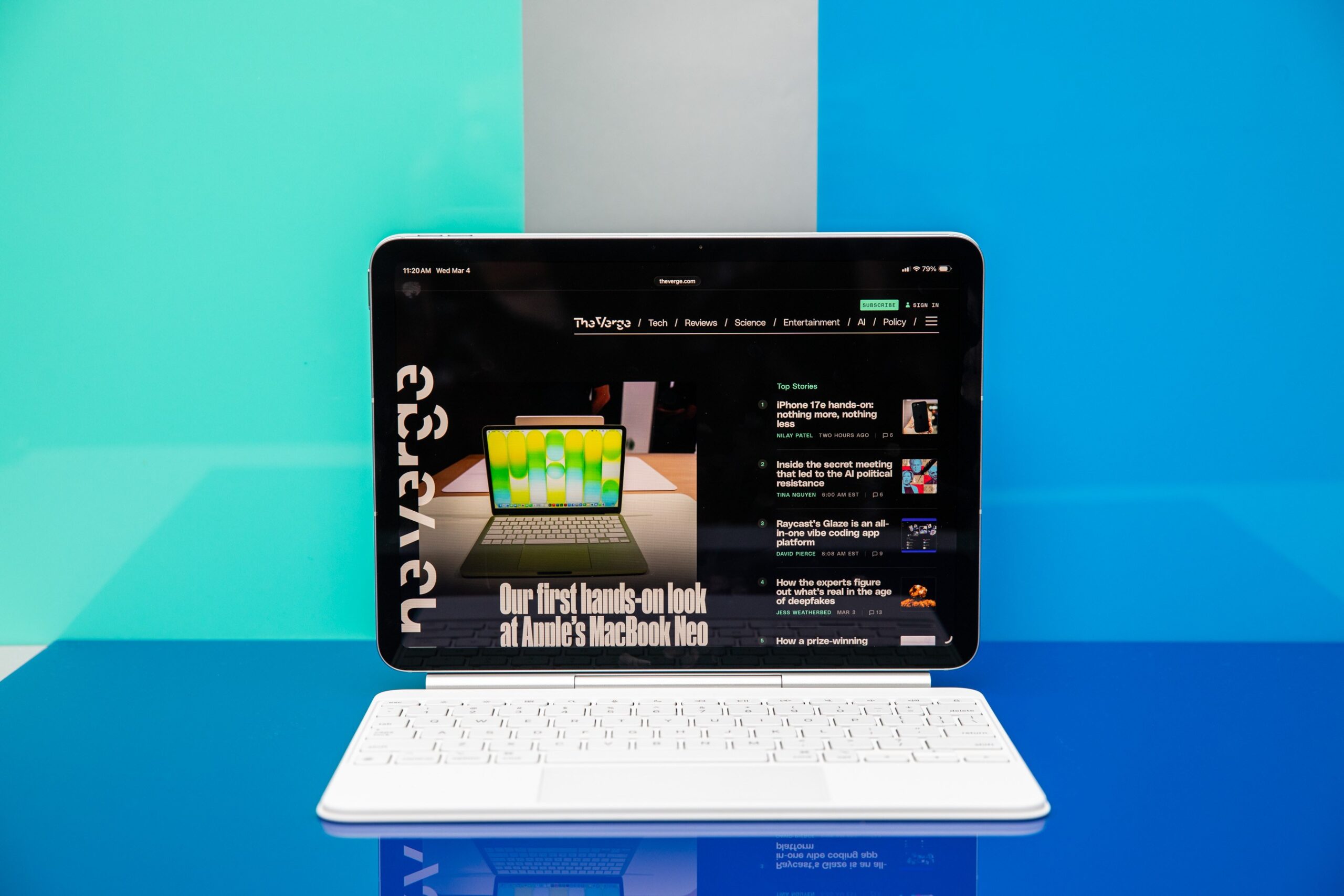
it s a bad time to want The ongoing component shortages are driving up prices for new computers and tablets, leaving consumers facing significant sticker shock.
it s a bad time to want
The Current State of the Tech Market
The technology market is currently experiencing a crisis that has been dubbed “RAMaggeddon,” a term that reflects the severe shortage of Random Access Memory (RAM) and other critical components. This shortage has led to a substantial increase in prices for various tech hardware, making it a challenging time for consumers looking to purchase new devices. The situation has been exacerbated by a series of announcements from major companies regarding price hikes, which indicate that the trend is unlikely to reverse in the near future.
Impact of Component Shortages
Component shortages have been a persistent issue for the tech industry, stemming from a combination of factors including supply chain disruptions caused by the COVID-19 pandemic, increased demand for electronic devices, and geopolitical tensions affecting manufacturing. The ramifications of these shortages are felt across the board, from consumer electronics to enterprise-level hardware.
RAM, in particular, is a crucial component in computing devices, affecting everything from speed and performance to multitasking capabilities. As manufacturers struggle to secure adequate supplies of RAM, the prices have surged, impacting the overall cost of computers and tablets. This situation has led to a ripple effect, where the prices of other components, such as processors and graphics cards, have also increased due to the heightened demand for complete systems.
Price Hikes Across the Industry
This week has seen a notable number of companies announce price increases for their products, further contributing to the overall inflation in the tech market. Notable players in the industry, including Apple, Microsoft, and Valve, have all adjusted their pricing strategies in response to the ongoing shortages.
- Apple: Known for its premium pricing, Apple has recently raised the prices of several of its Mac models. The company cited increased manufacturing costs and supply chain challenges as the primary reasons for these hikes.
- Microsoft: The tech giant has also adjusted its pricing for Surface devices, with some models seeing increases of up to 15%. Microsoft has indicated that the adjustments are necessary to maintain quality and performance standards.
- Valve: The gaming company recently revealed the pricing for its long-awaited Steam Machine, a console-like PC that has been in development for several years. The base model starts at $1,049, which is nearly double the price of the six-year-old PlayStation 5, despite offering comparable performance.
Valve’s Steam Machine: A Case Study
Valve’s announcement regarding the Steam Machine serves as a microcosm of the broader trends affecting the tech industry. The Steam Machine is designed to provide a console-like gaming experience while retaining the versatility of a PC. However, the pricing has raised eyebrows among potential consumers.
Performance vs. Price
In tests conducted by various tech reviewers, the Steam Machine has demonstrated performance on par with the PlayStation 5, a console that has been widely praised for its capabilities. However, the significant price difference raises questions about the value proposition for consumers. At a starting price of $1,049 for the base configuration with 512GB of storage, many consumers may find it difficult to justify the investment, especially when more affordable alternatives are available.
The pricing strategy employed by Valve may reflect a broader trend in the industry where companies are forced to balance the need for profitability against consumer expectations. With component shortages driving up costs, manufacturers are left with little choice but to pass these expenses onto consumers.
Consumer Reactions
The response from consumers has been mixed. While some tech enthusiasts are willing to pay a premium for cutting-edge hardware, many are expressing frustration over the rising costs. Social media platforms have been abuzz with discussions about the implications of these price hikes, with many potential buyers indicating that they will delay their purchases until prices stabilize.
Moreover, the sentiment among consumers reflects a growing concern about the accessibility of technology. As prices continue to rise, there is a fear that high-quality computing devices will become increasingly out of reach for average consumers, potentially widening the digital divide.
Broader Implications for the Tech Industry
The current state of the tech market raises several important questions about the future of the industry. As component shortages persist and prices continue to rise, companies may need to reevaluate their strategies to remain competitive.
Innovation vs. Affordability
One of the most pressing challenges facing tech companies is the need to balance innovation with affordability. As manufacturers strive to develop cutting-edge products, they must also consider the financial constraints of their customer base. This balancing act is becoming increasingly difficult in an environment where component costs are unpredictable.
Companies may need to explore alternative strategies, such as investing in new manufacturing technologies or seeking out alternative suppliers to mitigate the impact of shortages. Additionally, there may be a shift toward more modular designs that allow consumers to upgrade specific components rather than purchasing entirely new systems.
Long-Term Outlook
While the current situation is undoubtedly challenging, there are signs that the tech industry may eventually stabilize. Analysts predict that as supply chains recover and production ramps up, prices may begin to normalize. However, this recovery is contingent on a variety of factors, including geopolitical stability and the resolution of ongoing supply chain disruptions.
In the meantime, consumers may need to exercise patience and consider their purchasing options carefully. For those who can wait, it may be worth holding off on significant investments in new technology until prices become more favorable.
Conclusion
The ongoing component shortages are reshaping the landscape of the tech market, leading to significant price increases for computers and tablets. As companies like Apple, Microsoft, and Valve adjust their pricing strategies in response to these challenges, consumers are left grappling with the implications of these changes. While the current environment presents difficulties, it also offers an opportunity for innovation and adaptation within the industry. As the situation evolves, stakeholders will need to remain vigilant and responsive to the shifting dynamics of the market.
Source: Original report
Was this helpful?
Explore more: More Consumer Technology Tech News Blog
Last Modified: June 25, 2026 at 11:39 pm
8 views