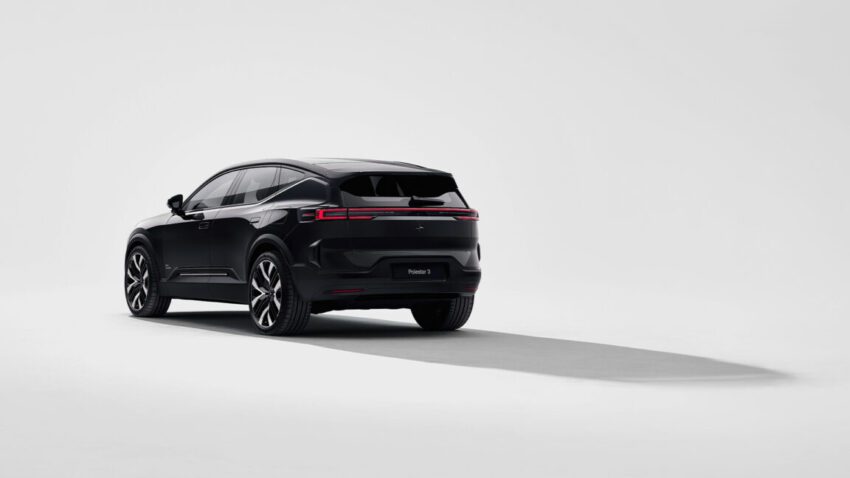
feds deny polestar authorization to sell cars The U.S. Commerce Department has denied Polestar the authorization to sell its vehicles in the United States starting from model year 2027, significantly impacting the brand’s future in the American market.
feds deny polestar authorization to sell cars
Background on Polestar and Its Market Position
Polestar, an electric vehicle (EV) manufacturer, was established as a performance brand under Volvo Cars, which is itself a subsidiary of the Chinese automotive giant Zhejiang Geely Holding. Launched in 2017, Polestar has positioned itself as a premium electric car brand, focusing on sustainability and performance. Its lineup includes models like the Polestar 2, a fully electric sedan, and the Polestar 3 and Polestar 4 SUVs, which have garnered attention for their design and technology.
The brand has made significant strides in the EV market, aiming to compete with established players like Tesla and traditional automakers transitioning to electric models. Polestar’s vehicles are known for their sleek designs, advanced technology, and commitment to sustainability, which resonates with environmentally conscious consumers.
Recent Developments and Regulatory Challenges
On June 26, 2023, Polestar announced that the U.S. Commerce Department had denied its request to import new models from the 2027 model year onwards. This decision is part of a broader regulatory framework aimed at banning connected cars from manufacturers with ties to China. The implications of this ruling are profound, as it effectively halts Polestar’s expansion plans in one of the world’s largest automotive markets.
The U.S. government has increasingly scrutinized foreign automotive manufacturers, particularly those with Chinese connections, citing national security concerns. This scrutiny has resulted in a series of regulations aimed at protecting American consumers and the domestic automotive industry. The decision to deny Polestar’s authorization is a reflection of these heightened concerns.
Impact on Polestar’s Future
In light of the Commerce Department’s ruling, Polestar has stated that it will continue to sell its existing inventory of the Polestar 3 and Polestar 4 models. The company has also assured customers that it will maintain support through its service network. However, the denial means that future models, including the anticipated Polestar 5 sedan and Polestar 6 roadster, will not be available in the U.S. market.
This development raises questions about Polestar’s long-term strategy and viability in the U.S. market. The brand had been counting on the introduction of new models to attract a broader customer base and compete effectively against rivals. With the current regulatory environment, Polestar may need to reevaluate its approach to the U.S. market and consider alternative strategies for growth.
Comparison with Other Automakers
Interestingly, while Polestar has faced regulatory hurdles, its parent company, Volvo, received authorization from the Commerce Department to import vehicles for the 2027 model year. This discrepancy raises questions about the criteria used by U.S. authorities in evaluating automakers with Chinese ties.
Volvo, which has a long-standing presence in the U.S. market, has been able to navigate regulatory challenges more effectively than its subsidiary. This situation highlights the complexities of international automotive regulations and the varying degrees of scrutiny applied to different manufacturers.
Stakeholder Reactions
The decision has elicited a range of reactions from stakeholders, including industry analysts, consumers, and environmental advocates. Analysts have expressed concern that the ruling could hinder the growth of the EV market in the U.S. by limiting consumer choices. With the increasing demand for electric vehicles, restrictions on manufacturers like Polestar could slow the transition to sustainable transportation.
Consumers who have shown interest in Polestar’s offerings may feel disappointed by the news, particularly those who were looking forward to future models. The brand’s commitment to sustainability and performance has attracted a loyal customer base, and the inability to introduce new models could lead to a loss of interest among potential buyers.
Environmental advocates have also weighed in, emphasizing the importance of supporting a diverse range of EV manufacturers to encourage competition and innovation. They argue that limiting access to brands like Polestar could stifle advancements in electric vehicle technology and hinder efforts to combat climate change.
Implications for the EV Market
The denial of Polestar’s authorization has broader implications for the electric vehicle market in the United States. As the government continues to impose regulations on foreign automakers, it raises concerns about the potential for a fragmented market. Consumers may find themselves with fewer options, which could ultimately slow the adoption of electric vehicles.
Moreover, the ruling could set a precedent for other manufacturers with ties to China, creating uncertainty in the market. Automakers may need to reassess their strategies for entering or expanding in the U.S. market, potentially leading to a shift in focus toward domestic production or partnerships with American companies.
Future of Electric Vehicles in the U.S.
The future of electric vehicles in the U.S. remains uncertain as regulatory challenges continue to evolve. The Biden administration has emphasized the importance of transitioning to electric vehicles as part of its climate agenda, but the implementation of policies has been inconsistent. While some manufacturers are granted access to the market, others face significant hurdles.
As the demand for electric vehicles grows, it is crucial for policymakers to strike a balance between national security concerns and fostering a competitive marketplace. Ensuring that consumers have access to a diverse range of electric vehicles is essential for driving innovation and meeting climate goals.
Conclusion
Polestar’s denial of authorization to sell vehicles in the U.S. from model year 2027 onward marks a significant setback for the brand and raises important questions about the future of electric vehicles in the American market. As the regulatory landscape continues to evolve, stakeholders must navigate the challenges and opportunities presented by an increasingly complex environment. The implications of this ruling extend beyond Polestar, potentially affecting the broader EV market and the efforts to transition to sustainable transportation.
Source: Original report
Was this helpful?
Explore more: More Big Tech & Platforms Tech News Blog
Last Modified: June 25, 2026 at 11:35 pm
12 views