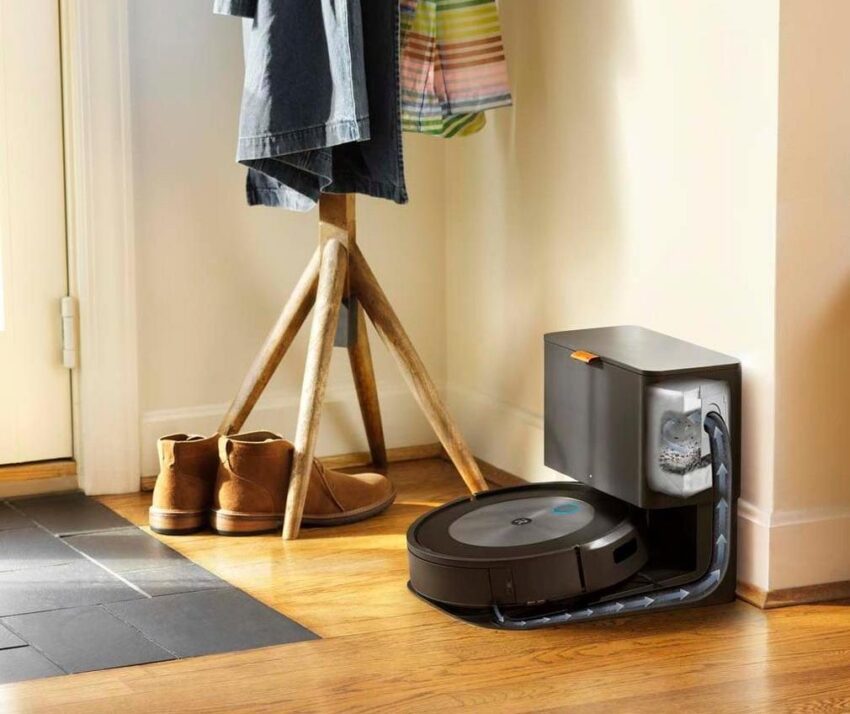
a rough week for hardware companies iRobot, Luminar, and Rad Power Bikes recently encountered significant challenges that reflect broader issues within the hardware sector.
a rough week for hardware companies
Overview of the Companies
iRobot, Luminar, and Rad Power Bikes operate in distinct segments of the hardware market, yet they share common hurdles that highlight the complexities of the current economic landscape. Each company has carved out a niche in its respective field, but recent developments indicate that even established players are not immune to market fluctuations and operational difficulties.
iRobot: Navigating Market Pressures
iRobot, best known for its Roomba robotic vacuum cleaners, has been facing a series of challenges that have impacted its market performance. The company reported a significant decline in sales, which has raised concerns among investors and analysts alike. In the third quarter of 2025, iRobot’s revenue fell by 20% compared to the previous year, a decline attributed to various factors including increased competition, supply chain disruptions, and changing consumer preferences.
One of the primary issues affecting iRobot is the saturation of the home robotics market. As more consumers adopt robotic cleaning devices, the novelty factor has diminished, leading to a slowdown in new customer acquisitions. Additionally, competition from both established brands and new entrants has intensified, forcing iRobot to rethink its pricing strategies and product offerings.
Moreover, supply chain issues have compounded iRobot’s difficulties. The ongoing global semiconductor shortage has affected the availability of critical components, leading to production delays and increased costs. As a result, iRobot has had to navigate a challenging landscape where maintaining profitability while ensuring product availability has become increasingly complex.
Luminar: Struggles in the Autonomous Vehicle Sector
Luminar, a company specializing in lidar technology for autonomous vehicles, has also faced its share of obstacles. Despite being at the forefront of a rapidly evolving industry, Luminar’s stock has experienced volatility, reflecting investor concerns about the pace of adoption for autonomous driving technologies. In recent months, the company reported a slowdown in partnerships and contracts, which has raised questions about its growth trajectory.
One of the key challenges for Luminar is the competitive landscape within the autonomous vehicle sector. As more companies invest in self-driving technologies, the race to secure partnerships and contracts has intensified. Luminar has found itself competing not only with traditional automotive manufacturers but also with tech giants that are investing heavily in their own autonomous solutions.
Furthermore, regulatory hurdles pose another significant challenge for Luminar. The autonomous vehicle industry is subject to stringent regulations that vary by region, making it difficult for companies to navigate the legal landscape. As Luminar seeks to expand its market presence, it must also contend with the complexities of compliance and safety standards, which can slow down the deployment of its technology.
Rad Power Bikes: Facing Market Saturation
Rad Power Bikes, a leader in the electric bike market, has also encountered challenges that reflect broader trends in the hardware sector. The company has experienced a decline in sales, which it attributes to market saturation and changing consumer behavior. As more competitors enter the electric bike space, Rad Power Bikes faces the dual challenge of differentiating its products while maintaining competitive pricing.
The electric bike market has seen explosive growth in recent years, driven by increasing demand for sustainable transportation options. However, as more brands emerge, the market has become crowded, leading to price wars and reduced profit margins. Rad Power Bikes has had to adapt its marketing strategies to emphasize the unique features of its products, such as affordability and performance, to retain its customer base.
Additionally, supply chain disruptions have affected Rad Power Bikes, similar to the challenges faced by iRobot. The company has reported delays in sourcing components, which has impacted production timelines. As a result, Rad Power Bikes has had to manage customer expectations while navigating the complexities of a disrupted supply chain.
Common Challenges Across the Hardware Sector
The challenges faced by iRobot, Luminar, and Rad Power Bikes are indicative of broader issues within the hardware sector. As companies navigate a rapidly changing landscape, several common challenges have emerged:
- Supply Chain Disruptions: The global supply chain has been significantly affected by the COVID-19 pandemic, leading to shortages of critical components and increased costs. Companies across the hardware sector have had to adapt to these disruptions, often resulting in production delays and reduced profitability.
- Increased Competition: As technology continues to advance, competition within the hardware sector has intensified. Companies must continually innovate to stay ahead, which can strain resources and lead to increased marketing expenditures.
- Market Saturation: Many segments of the hardware market are experiencing saturation, making it challenging for companies to attract new customers. This saturation often leads to price wars, further squeezing profit margins.
- Changing Consumer Preferences: Consumer preferences are evolving rapidly, influenced by trends such as sustainability and technological advancements. Companies must stay attuned to these shifts to remain relevant in the market.
Stakeholder Reactions
The recent struggles faced by iRobot, Luminar, and Rad Power Bikes have elicited varied reactions from stakeholders, including investors, analysts, and consumers. Investors have expressed concerns about the long-term viability of these companies, particularly in light of declining sales and increased competition. Stock prices for all three companies have shown volatility, reflecting investor sentiment regarding their future prospects.
Analysts have weighed in on the challenges facing these companies, emphasizing the need for strategic pivots to address market dynamics. For instance, some analysts have suggested that iRobot should explore new product categories or enhance its existing offerings to regain market share. Similarly, Luminar may need to focus on building strategic partnerships to accelerate the adoption of its technology in the autonomous vehicle space.
Consumers, on the other hand, have shown mixed reactions. While there remains a strong interest in robotic cleaning devices, autonomous vehicles, and electric bikes, consumers are increasingly discerning about their purchases. Factors such as price, quality, and brand reputation play a significant role in their decision-making processes. Companies that can effectively communicate their value propositions are likely to fare better in this competitive landscape.
Looking Ahead: Strategies for Recovery
As iRobot, Luminar, and Rad Power Bikes navigate their respective challenges, several strategies may help them recover and thrive in the evolving hardware market:
- Innovation and Product Development: Continuous innovation is crucial for companies in the hardware sector. By investing in research and development, these companies can create new products that meet changing consumer demands and differentiate themselves from competitors.
- Supply Chain Management: Enhancing supply chain resilience is essential for mitigating disruptions. Companies should consider diversifying their supplier base and investing in technologies that improve supply chain visibility and efficiency.
- Strategic Partnerships: Forming strategic partnerships can help companies expand their market reach and access new customer segments. Collaborations with other firms can also facilitate technology sharing and accelerate product development.
- Customer Engagement: Building strong relationships with customers through effective communication and engagement strategies can help companies better understand consumer preferences and tailor their offerings accordingly.
Conclusion
The recent challenges faced by iRobot, Luminar, and Rad Power Bikes underscore the complexities of the hardware sector in a rapidly changing economic landscape. While each company operates in a distinct niche, they share common hurdles that reflect broader trends affecting the industry. By adopting innovative strategies and remaining responsive to market dynamics, these companies can navigate their challenges and position themselves for future growth.
Source: Original report
Was this helpful?
Explore more: More Hardware & Devices Tech News Blog
Last Modified: December 22, 2025 at 3:39 pm
14 views