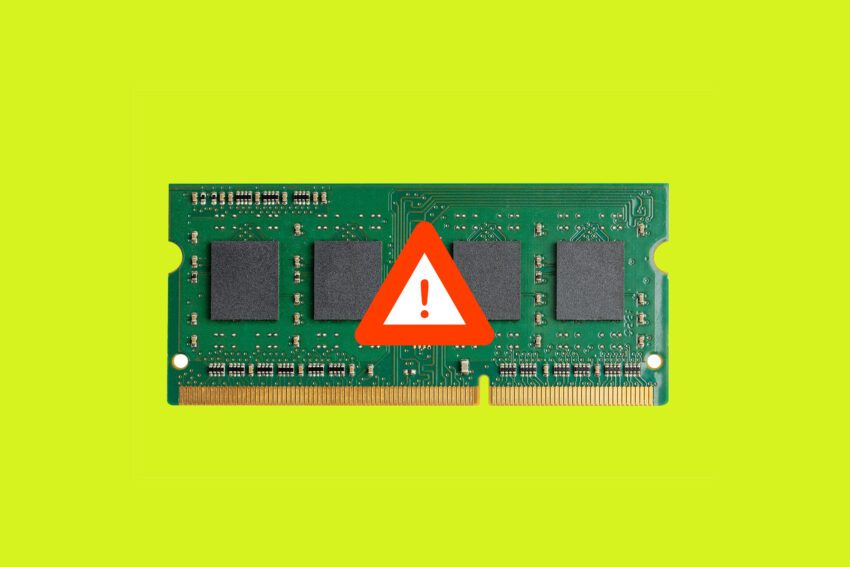
the ram shortage could last years The ongoing shortage of DRAM (Dynamic Random Access Memory) is projected to persist for several years, with industry experts warning that supply may not catch up to demand until 2030.
the ram shortage could last years
Current State of the DRAM Market
According to a recent report by Nikkei Asia, the global demand for DRAM is outpacing supply significantly. Even as major suppliers ramp up production efforts, they are only expected to meet approximately 60 percent of the market demand by the end of 2027. This alarming statistic underscores the severity of the ongoing shortage and raises concerns about the implications for various sectors reliant on memory chips.
Key Players in the DRAM Industry
The landscape of the DRAM market is dominated by a few major players, namely Samsung, SK Hynix, and Micron. These companies are currently engaged in efforts to expand their fabrication capacities to address the growing demand. However, the timeline for these expansions is longer than many had hoped. Most of the new fabrication facilities being developed by these companies are not expected to come online until at least 2027, with some estimates pushing that date to 2028.
In February 2023, SK Hynix opened a new fabrication facility in Cheongju, South Korea. While this development represents a step forward, it is the only significant increase in production capacity among the three leading manufacturers for the year 2026. This limited expansion highlights the challenges these companies face in scaling up production quickly enough to meet the surging demand.
Demand Projections and Production Challenges
Nikkei Asia’s report indicates that to meet the anticipated demand, production levels would need to increase by 12 percent annually in both 2026 and 2027. However, industry analysts are skeptical about the feasibility of achieving such aggressive growth rates. The challenges are multifaceted, including supply chain disruptions, rising costs of raw materials, and the complexities involved in ramping up production capabilities.
Supply Chain Disruptions
The COVID-19 pandemic has had lasting effects on global supply chains, and the semiconductor industry has not been immune. Disruptions in the supply of raw materials, such as silicon and other essential components, have hindered manufacturers’ ability to produce DRAM chips at the required scale. Additionally, geopolitical tensions and trade restrictions have further complicated the situation, making it difficult for companies to secure the necessary materials and components.
Rising Costs and Investment Needs
As manufacturers strive to increase production, they are also facing rising costs associated with the construction and operation of new fabrication facilities. The investment required to build advanced semiconductor fabs is substantial, often running into billions of dollars. This financial burden can deter companies from making the necessary investments to expand capacity, particularly in an uncertain economic environment.
Implications for Various Sectors
The ramifications of the DRAM shortage extend beyond the semiconductor industry itself. Various sectors that rely heavily on memory chips are likely to experience significant challenges as a result of the ongoing supply constraints. These sectors include consumer electronics, automotive, and data centers, among others.
Consumer Electronics
The consumer electronics market, which includes smartphones, laptops, and gaming consoles, is particularly vulnerable to DRAM shortages. As manufacturers struggle to secure sufficient memory chips, the production of popular devices may be delayed or scaled back. This could lead to higher prices for consumers and a potential slowdown in technological advancements as companies prioritize existing product lines over new innovations.
Automotive Industry
The automotive sector has increasingly integrated advanced technology into vehicles, making it more reliant on semiconductor components, including DRAM. The shortage of memory chips has already caused production delays for several automakers, leading to reduced vehicle availability and increased prices. As the demand for electric vehicles (EVs) and autonomous driving technology continues to rise, the automotive industry will need to navigate these supply challenges carefully.
Data Centers and Cloud Computing
Data centers, which power cloud computing services and handle vast amounts of data, are also affected by the DRAM shortage. As businesses increasingly rely on cloud services for their operations, the demand for memory chips in data centers is expected to grow. However, with supply constraints limiting the availability of DRAM, data center operators may face challenges in scaling their infrastructure to meet customer demands.
Stakeholder Reactions
The reactions from stakeholders across the industry have been varied. Executives from major memory manufacturers have expressed concern over the prolonged shortage and its potential impact on their businesses. For instance, the chairman of SK Group has indicated that the shortage could last until 2030, a statement that reflects the gravity of the situation.
Investors are also closely monitoring the developments in the DRAM market. Many are concerned about the long-term implications of the shortage on the profitability of memory manufacturers. As companies struggle to meet demand, there is a risk that they may not be able to maintain their profit margins, particularly if they are forced to invest heavily in new production facilities.
Future Outlook
Looking ahead, the future of the DRAM market remains uncertain. While manufacturers are making efforts to expand production capacity, the timeline for these expansions is longer than many had anticipated. The ongoing supply chain disruptions and rising costs further complicate the situation, making it challenging for companies to ramp up production quickly enough to meet demand.
Technological Innovations
In response to the challenges posed by the DRAM shortage, some companies are exploring technological innovations that could help alleviate the pressure on supply. For example, advancements in memory technology, such as the development of new types of memory chips or improvements in manufacturing processes, could potentially increase production efficiency and reduce reliance on traditional DRAM.
Policy and Regulation
Governments around the world are also taking notice of the semiconductor shortage and its implications for national security and economic stability. In response, some countries are implementing policies aimed at boosting domestic semiconductor production. These initiatives may include financial incentives for manufacturers, investment in research and development, and support for workforce training programs.
Conclusion
The DRAM shortage is a complex issue that is likely to persist for several years, with significant implications for various sectors reliant on memory chips. As manufacturers work to expand production capacity, they face numerous challenges, including supply chain disruptions, rising costs, and the need for substantial investment. Stakeholders across the industry are closely monitoring the situation, and the future of the DRAM market remains uncertain. However, ongoing technological innovations and government initiatives may offer potential solutions to alleviate the supply constraints in the coming years.
Source: Original report
Was this helpful?
Explore more: More Hardware & Devices Tech News Blog
Last Modified: April 19, 2026 at 11:36 am
14 views