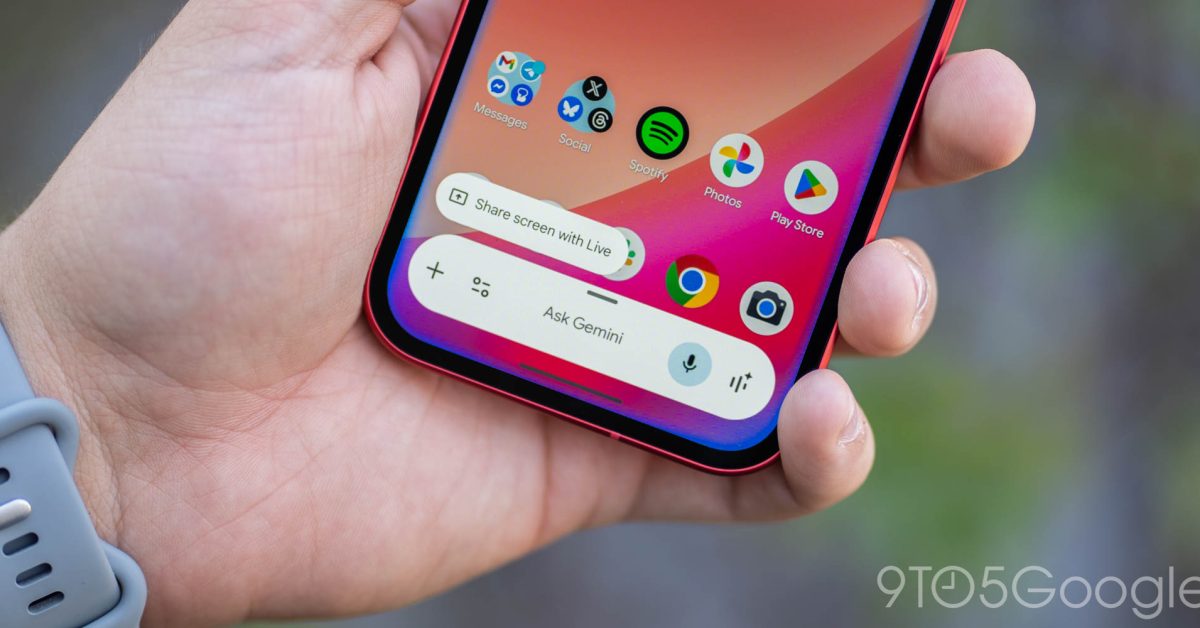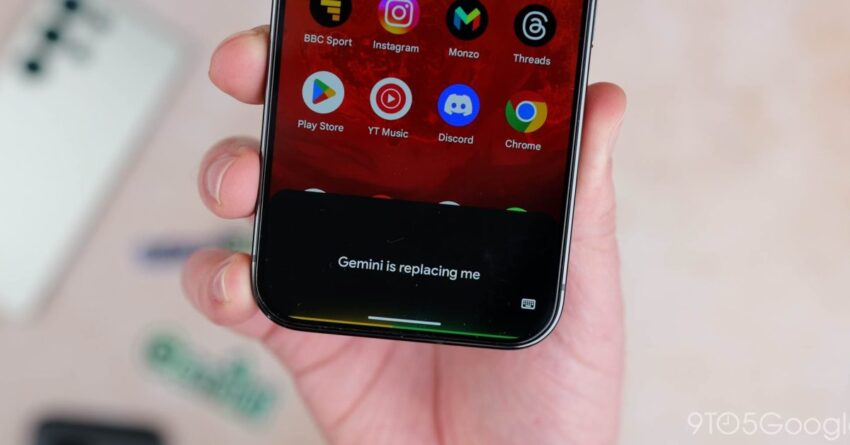
what is happening with the google assistant The Google Assistant, a staple in many households for over a decade, is now facing an uncertain future as it approaches its end-of-life phase.
what is happening with the google assistant
A Brief History of Google Assistant
Launched in 2016, Google Assistant quickly became a cornerstone of Google’s ecosystem, designed to facilitate voice-activated commands and enhance user interaction with various devices. Initially introduced as part of Google’s messaging app, Allo, it was later integrated into Google Home and other smart devices. Over the years, Google Assistant evolved, gaining features like natural language processing, contextual understanding, and integration with third-party applications.
By 2020, Google Assistant was available on over a billion devices worldwide, ranging from smartphones to smart speakers and home appliances. It allowed users to perform a variety of tasks, such as setting reminders, controlling smart home devices, and answering questions, all through simple voice commands. This level of accessibility and functionality made it a popular choice among users looking for convenience in their daily lives.
The Shift in Technology Landscape
As technology continues to advance, the landscape for voice assistants has changed significantly. Competitors like Amazon’s Alexa and Apple’s Siri have also made substantial strides, each carving out their own niches in the market. The proliferation of smart devices and the rise of artificial intelligence have led to an increasingly competitive environment, prompting Google to rethink its strategy regarding the Assistant.
Moreover, the emergence of new technologies, such as generative AI and machine learning, has shifted user expectations. Consumers are now looking for more than just basic voice commands; they seek a more intuitive and personalized experience. This shift has led to speculation about the future of Google Assistant and whether it can adapt to meet these evolving demands.
The Announcement of End-of-Life
Recently, Google announced that the Assistant is entering its end-of-life phase. This decision has raised questions among users about what this means for their devices and the services they rely on. While Google has not provided a specific timeline for the discontinuation of the Assistant, the announcement has sparked discussions about the implications for existing users and the broader ecosystem.
Impact on Users
For the millions of users who have integrated Google Assistant into their daily routines, the end-of-life announcement raises several concerns:
- Loss of Functionality: Users may face a gradual loss of features and capabilities as Google shifts its focus away from the Assistant. This could impact smart home integrations, reminders, and other functionalities that rely on the Assistant.
- Device Compatibility: Many smart devices currently rely on Google Assistant for voice commands. The end-of-life phase could lead to compatibility issues, forcing users to seek alternative solutions or devices.
- Transition to New Platforms: Users may need to transition to other voice assistants or platforms, which could involve a learning curve and the need to adapt to new interfaces and functionalities.
Stakeholder Reactions
The announcement has elicited a variety of reactions from stakeholders, including users, developers, and industry analysts. Many users have expressed disappointment, citing the Assistant’s role in enhancing their daily lives. Some have taken to social media to voice their concerns, while others are actively seeking alternatives.
Developers who have built applications and services around Google Assistant are also feeling the impact. Many are concerned about the future of their products and whether they will need to pivot to support other platforms. Industry analysts have weighed in, suggesting that Google’s decision may be a strategic move to focus on more advanced technologies, such as artificial intelligence and machine learning, which could lead to the development of a new, more sophisticated assistant in the future.
What’s Next for Google?
As Google moves away from the Assistant, the company is likely to focus on integrating advanced technologies into its existing products and services. This could involve leveraging machine learning and AI to create a more personalized user experience across its ecosystem. Google has already made strides in this direction with features like Google Duplex, which allows the Assistant to make phone calls and schedule appointments on behalf of users.
Potential Alternatives
With the end of Google Assistant, users may consider several alternatives:
- Amazon Alexa: Known for its extensive smart home compatibility and a wide range of skills, Alexa is a strong contender for users looking for a robust voice assistant.
- Apple Siri: For those embedded in the Apple ecosystem, Siri offers seamless integration with iOS devices and services.
- Microsoft Cortana: While not as widely used, Cortana is still an option for users who prefer Microsoft products and services.
Implications for the Smart Home Market
The end-of-life announcement for Google Assistant could have significant implications for the smart home market. As users begin to transition away from Google Assistant, manufacturers of smart devices may need to adapt their products to ensure compatibility with alternative voice assistants. This could lead to a fragmented market, where users must choose devices based on the voice assistant they prefer, rather than on functionality or features.
Moreover, the shift could impact the development of new smart home technologies. Companies may be less inclined to invest in products that rely on a voice assistant that is no longer being actively supported. This could slow innovation in the smart home sector, as manufacturers focus on ensuring compatibility with existing platforms rather than exploring new possibilities.
Conclusion
The announcement of Google Assistant’s end-of-life phase marks a significant turning point for the platform and its users. While the decision may be rooted in a desire to focus on more advanced technologies, it raises important questions about the future of voice assistants and their role in our daily lives. As users begin to navigate this transition, the impact on the smart home market and the broader technology landscape will continue to unfold.
As we look ahead, it remains to be seen how Google will adapt to these changes and what new innovations may emerge in the wake of the Assistant’s decline. For now, users must weigh their options and consider how best to transition to alternative solutions that meet their needs.
Source: Original report
Was this helpful?
Explore more: AI Automation Services More AI & Automation Tech News
Last Modified: April 19, 2026 at 1:36 am
11 views