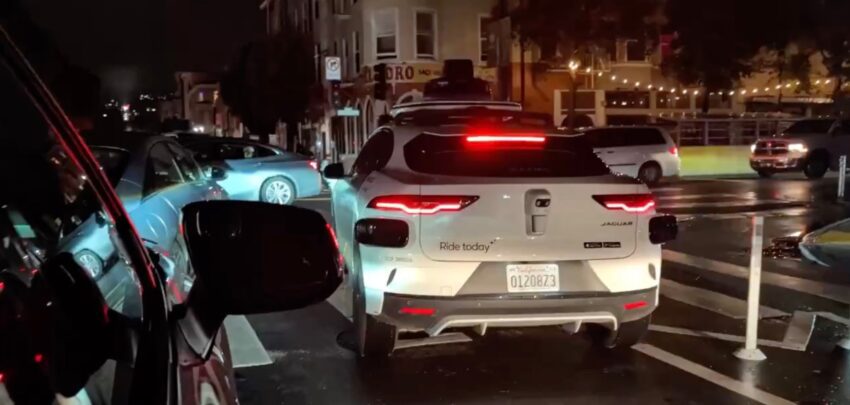
waymo resumes service in san francisco after Waymo has resumed its robotaxi service in San Francisco following a significant disruption caused by a city-wide blackout that left many of its autonomous vehicles stranded.
waymo resumes service in san francisco after
Incident Overview
On Saturday evening, a massive blackout swept across San Francisco, impacting thousands of residents and businesses. The blackout, which lasted for several hours, was attributed to a failure in the local power grid. During this time, Waymo’s fleet of robotaxis, which rely on a constant power supply for their operations, faced significant challenges. Reports indicated that numerous vehicles became immobilized, leading to a suspension of service as the company worked to address the situation.
Details of the Blackout
The blackout occurred around 6 PM PST and affected various neighborhoods across the city. Initial investigations pointed to a malfunction at a local substation, which resulted in widespread power outages. Utility companies mobilized quickly to restore power, but the incident raised questions about the robustness of the city’s infrastructure, particularly as it pertains to the operation of autonomous vehicles.
Waymo’s robotaxis, designed to operate autonomously without human intervention, depend heavily on a stable power supply for their sensors, communication systems, and navigation capabilities. As the blackout unfolded, many vehicles became unresponsive, leading to a backlog of requests from users who were left stranded or unable to summon rides.
Waymo’s Response
In light of the blackout, Waymo made the decision to suspend its services temporarily. The company issued a statement acknowledging the disruption and assuring customers that safety remained its top priority. “We are closely monitoring the situation and will resume service as soon as it is safe to do so,” the statement read. This decision was met with mixed reactions from the public, with some expressing understanding given the circumstances, while others voiced frustration over the reliance on technology that can be vulnerable to external factors.
Operational Challenges
The incident highlighted several operational challenges faced by autonomous vehicle companies like Waymo. While the technology has advanced significantly, the reliance on external infrastructure—such as power grids and communication networks—remains a critical vulnerability. The blackout not only affected Waymo’s operations but also raised broader concerns about the resilience of smart city initiatives that integrate autonomous vehicles into urban transportation systems.
In the aftermath of the blackout, Waymo’s team worked diligently to recover the stranded vehicles. The company deployed personnel to assist in retrieving the vehicles and restoring normal operations. By Sunday morning, power had been restored to most areas, and Waymo began the process of bringing its fleet back online.
Resumption of Services
By Sunday afternoon, Waymo announced that it had resumed its robotaxi services in San Francisco. The company communicated with users through its app, notifying them that rides were once again available. “We appreciate your patience as we navigated this unexpected situation,” Waymo stated in a follow-up communication. “Our team has worked tirelessly to ensure that our services are back up and running safely.”
User Experience
For many users, the blackout and subsequent service suspension were frustrating experiences. Some riders reported being stranded without alternative transportation options, while others expressed concern about the reliability of autonomous vehicles in emergency situations. “I was counting on the robotaxi to get home, and when it didn’t show up, I felt helpless,” said one user who experienced the disruption firsthand.
However, once services resumed, many users took to social media to share their experiences. Some praised Waymo for its quick response and effective communication, while others remained skeptical about the long-term viability of relying solely on autonomous vehicles for transportation. “I love the convenience of robotaxis, but incidents like this make me wonder if they are ready for prime time,” another user commented.
Implications for Autonomous Vehicle Technology
The blackout incident serves as a critical case study for the future of autonomous vehicle technology. As cities increasingly adopt smart technologies, the integration of autonomous vehicles into urban environments will require robust infrastructure capable of supporting these innovations. The reliance on power grids, communication networks, and other external systems poses risks that must be addressed to ensure the reliability and safety of autonomous transportation.
Stakeholder Reactions
Reactions from various stakeholders in the technology and transportation sectors have been varied. Industry experts have pointed out that while the incident underscores the vulnerabilities of autonomous systems, it also highlights the need for ongoing investment in infrastructure improvements. “As we move towards a future with more autonomous vehicles, we must also invest in the underlying systems that support them,” said a transportation analyst. “This incident is a wake-up call for cities and companies alike.”
Regulatory bodies have also taken notice, with some officials calling for a review of the operational protocols for autonomous vehicle companies. “We need to ensure that these companies have contingency plans in place for emergencies,” said a city council member. “The safety of our residents must always come first.”
Future Considerations
Looking ahead, Waymo and other autonomous vehicle companies will need to consider several factors to enhance the resilience of their operations. These include:
- Infrastructure Collaboration: Collaborating with local governments and utility companies to ensure that infrastructure is robust enough to support autonomous vehicle operations.
- Emergency Protocols: Developing comprehensive emergency protocols that outline how to respond to unexpected disruptions, including power outages and natural disasters.
- Public Communication: Enhancing communication strategies to keep users informed during service disruptions and ensuring transparency about operational challenges.
- Technological Redundancies: Implementing backup systems that can maintain vehicle operations in the event of a power failure or other critical infrastructure issues.
Conclusion
The recent blackout in San Francisco and its impact on Waymo’s robotaxi service serves as a reminder of the complexities involved in deploying autonomous vehicle technology in urban environments. While the technology continues to advance, the reliance on external infrastructure presents challenges that must be addressed to ensure the safety and reliability of these services. As Waymo resumes operations, the incident will likely prompt discussions about the future of autonomous transportation and the necessary steps to build a more resilient system.
Source: Original report
Was this helpful?
Explore more: DevOps Services More Cloud & DevOps Tech News
Last Modified: December 22, 2025 at 3:38 pm
16 views