your iphone is about to look way Apple has officially launched iOS 26, introducing a striking new design language that transforms the visual experience of the iPhone.
your iphone is about to look way
Introducing Liquid Glass
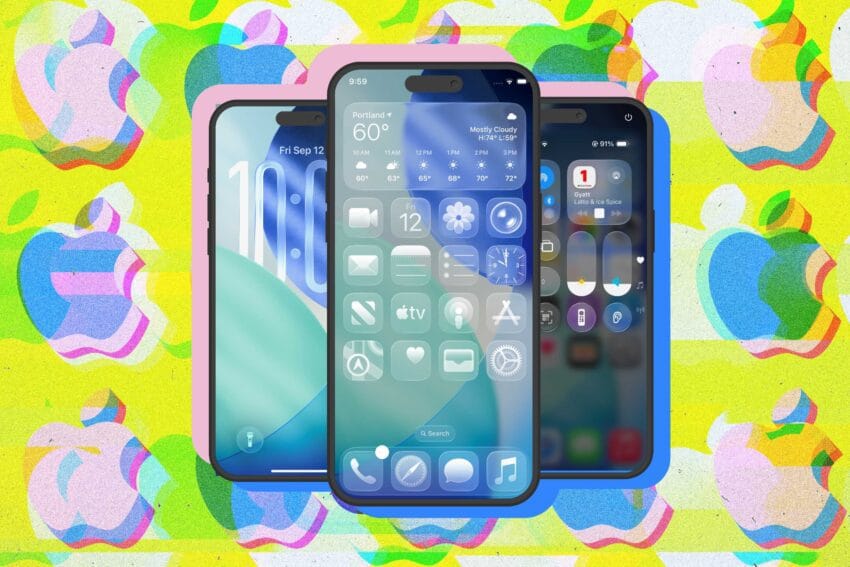
The latest iteration of Apple’s mobile operating system, iOS 26, is now available, and it brings with it a fresh aesthetic known as “Liquid Glass.” This new design philosophy aims to give the iPhone a more dynamic and visually appealing interface. The most notable feature of Liquid Glass is its glassy sheen, which permeates various elements of the user interface.
Visual Transformations
Liquid Glass manifests itself in several ways, fundamentally altering the look and feel of the iPhone. Here are some of the key visual changes users can expect:
- App Icons: The edges of app icons now appear as if they have been carved from a solid piece of glass, adding depth and dimension to the home screen.
- Text Magnification: When users press and hold on text, a glass-like bulb appears to magnify the selected text, enhancing readability and providing a unique visual effect.
- Safari Browsing: As users scroll through websites in Safari, content slides beneath a translucent search bar and back button, creating a layered effect that feels immersive.
- Notifications: Clear notifications now float onto the home screen, offering a more elegant way to display alerts and updates.
- Dynamic Light Effects: The edges of the app dock and buttons in the Control Center catch light differently based on the angle at which the phone is held, adding a sense of realism and interactivity.
These changes contribute to a more cohesive and modern design, aligning with Apple’s long-standing commitment to aesthetics and user experience. However, the shift to Liquid Glass may take some getting used to for long-time iPhone users.
Transitioning from Flat to Fluid
Since the release of iOS 7, the design of iPhones has leaned towards a flatter aesthetic. This shift was part of a broader trend in design that emphasized minimalism and simplicity. With iOS 26, Apple is moving away from this flat design language, introducing a level of virtual texture that can feel both refreshing and disorienting.
The transition to Liquid Glass may initially be jarring for users accustomed to the flat interfaces of previous iOS versions. While the new design is visually striking, it introduces a layer of complexity that can affect usability, particularly for those who rely on quick and efficient navigation.
Legibility Concerns
During the beta testing phase of iOS 26, Apple faced significant feedback regarding legibility issues. Many users found certain text and icons challenging to read against the new glassy backgrounds. In response, Apple made several adjustments to improve clarity, but the effectiveness of these changes will be evaluated as the software rolls out to a broader audience.
As with any major update, user feedback will play a crucial role in shaping the final experience. Apple has a history of refining its software based on user input, and it is likely that further tweaks will be made to Liquid Glass in the coming weeks and months.
Personal Experience with Liquid Glass
Having lived with Liquid Glass on my primary iPhone since its announcement three months ago, I have had the opportunity to adapt to the new design. Initially, the changes felt overwhelming, but over time, I found myself becoming accustomed to the new interface. Despite the bold visual overhaul, the core functionality of the iPhone remains largely unchanged from iOS 18.
For users who prioritize functionality over aesthetics, this continuity is reassuring. The familiar gestures, app layouts, and overall navigation remain intact, allowing users to transition to the new design without significant disruption to their daily routines.
Community Reactions
As with any significant update, reactions from the community have been mixed. Some users have embraced the Liquid Glass design, praising its modern look and feel. Others, however, have expressed skepticism, with some even dubbing the design “Liquid Ass.” This kind of feedback is not uncommon in the tech world, where design changes can evoke strong opinions.
Apple’s commitment to the Liquid Glass design is evident, as it is not limited to the iPhone. The company is integrating this aesthetic across its product line, signaling a broader shift in its design philosophy. This move could indicate that users will need to adapt to this new visual language, regardless of their personal preferences.
Implications for Future Updates
The introduction of Liquid Glass may have broader implications for future iOS updates and Apple products. As the company continues to innovate, it is likely that we will see further refinements to the design language, potentially influencing how apps are developed and how users interact with their devices.
Developers will need to consider the Liquid Glass aesthetic when creating applications for iOS 26 and beyond. This could lead to a new wave of app designs that embrace translucency and depth, aligning with Apple’s vision for a more immersive user experience.
Potential Challenges for Developers
While the Liquid Glass design offers exciting opportunities for creativity, it also presents challenges for developers. Ensuring that apps remain legible and user-friendly in the context of the new design will require careful consideration. Developers may need to invest additional time and resources into optimizing their applications for the Liquid Glass aesthetic, which could impact timelines and budgets.
Conclusion
The launch of iOS 26 marks a significant milestone for Apple, introducing a bold new design language that redefines the iPhone experience. Liquid Glass offers a fresh and visually stunning interface, but it also requires users to adapt to a new way of interacting with their devices. As the community continues to provide feedback, Apple is likely to make further adjustments to enhance usability and address concerns.
Ultimately, the success of Liquid Glass will depend on how well it resonates with users and how effectively Apple responds to feedback. As the tech landscape evolves, Apple remains committed to pushing the boundaries of design and user experience, and Liquid Glass is just one example of this ongoing innovation.
Source: Original report
Was this helpful?
Explore more: Mobile App Development More Mobile Technology Tech News
Last Modified: September 15, 2025 at 6:38 pm
13 views