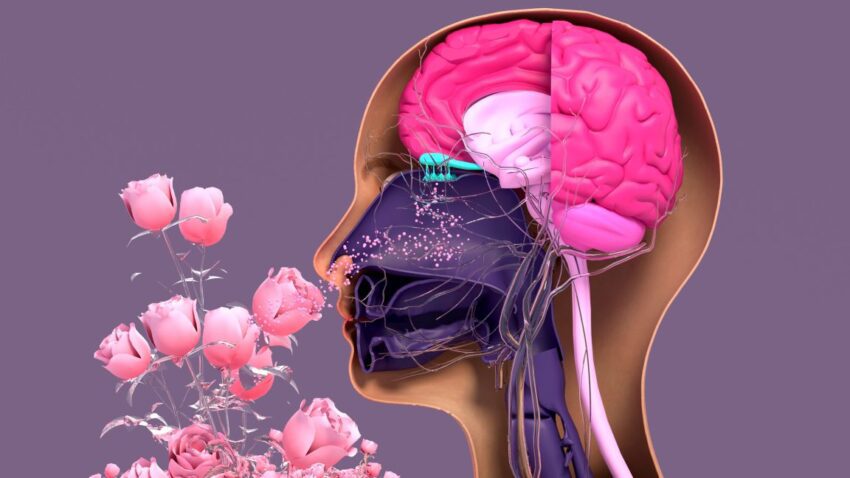
when the ability to smell goes away Chrissi Kelly’s experience with anosmia sheds light on a condition that affects millions yet remains largely misunderstood.
when the ability to smell goes away
Understanding Anosmia and Its Impact
Anosmia, the complete loss of smell, is a condition that can drastically alter a person’s quality of life. For Chrissi Kelly, who lost her sense of smell 14 years ago after contracting a virus in the Czech Republic, the experience was nothing short of catastrophic. Following her diagnosis, she was informed by various healthcare professionals that she would need to adapt to her new reality. “After about six months of complete loss, I was just climbing the walls, and I did not feel like myself anymore,” she recalls. This sentiment resonates with many who suffer from similar conditions.
The Prevalence of Smell Disorders
Research indicates that up to 22 percent of the population may experience some form of smell impairment. This includes:
- Hyposmia: Partial loss of smell.
- Anosmia: Complete loss of smell.
- Phantosmia: The perception of phantom smells that are not present in the environment.
- Parosmia: A condition where familiar scents become distorted and unpleasant.
Despite their prevalence, these conditions are often underdiagnosed and poorly understood. Many patients, like Kelly, find themselves navigating a healthcare system that does not fully recognize the significance of their symptoms. This lack of awareness can lead to feelings of isolation and frustration.
The Underlying Causes of Smell Loss
Smell loss can arise from a variety of causes, including viral infections, neurological disorders, and even environmental factors. In Kelly’s case, a viral infection triggered her anosmia, a common pathway for many individuals who experience sudden smell loss. Other potential causes include:
- Head trauma: Injuries to the head can damage the olfactory bulbs, which are responsible for processing smells.
- Neurological conditions: Diseases such as Parkinson’s and Alzheimer’s can lead to smell loss as part of their symptomatology.
- Sinus issues: Chronic sinusitis or nasal polyps can obstruct the olfactory pathways.
- Exposure to toxins: Certain chemicals and pollutants can impair the sense of smell.
Understanding the underlying causes is crucial for developing effective treatment strategies. However, many patients report that their healthcare providers often lack the necessary knowledge to diagnose and treat these conditions adequately.
The Emotional Toll of Smell Loss
The emotional and psychological impact of losing one’s sense of smell can be profound. For many, smell is closely tied to memory and emotional experiences. Kelly’s story illustrates this connection. The inability to smell not only affects her ability to enjoy food but also diminishes her overall quality of life. “It’s not just about food; it’s about memories associated with smells,” she explains. The loss of smell can lead to feelings of grief, anxiety, and depression.
Research has shown that individuals with smell disorders often experience higher rates of mental health issues compared to the general population. The inability to engage with the world through smell can lead to social withdrawal and a diminished sense of well-being. This emotional toll is compounded by the lack of understanding from friends, family, and even medical professionals, who may not fully grasp the significance of the condition.
Social and Lifestyle Implications
Living with smell loss can also have practical implications. For instance, individuals with anosmia may face challenges in cooking, as they cannot rely on smell to gauge the doneness of food or detect spoiled items. This can lead to dietary changes that may not be healthy. Furthermore, safety concerns arise, such as the inability to smell gas leaks or smoke, which can pose significant risks.
Social interactions can also be affected. Smell plays a crucial role in human connection; it influences attraction and bonding. Individuals with smell disorders may find themselves feeling alienated from social situations that involve food or gatherings where aromas are a focal point. The inability to share in these experiences can lead to feelings of exclusion and loneliness.
Current Research and Treatment Options
Despite the challenges associated with anosmia and other smell disorders, research is gradually advancing. Scientists are exploring various treatment options, including olfactory training, which involves repeated exposure to different scents to help retrain the brain’s olfactory pathways. Some studies have shown promising results, suggesting that olfactory training may help some individuals regain their sense of smell over time.
Additionally, researchers are investigating the role of medications and supplements in treating smell disorders. For instance, corticosteroids may be prescribed to reduce inflammation in the nasal passages, potentially improving smell function in some cases. However, these treatments are not universally effective, and more research is needed to establish standardized protocols for managing smell loss.
The Role of Advocacy and Awareness
Advocacy plays a crucial role in raising awareness about smell disorders. Organizations dedicated to olfactory health are working to educate both the public and healthcare professionals about the significance of smell loss. Increased awareness can lead to better diagnosis and treatment options, as well as a greater understanding of the emotional and psychological implications of these conditions.
Chrissi Kelly herself has become an advocate for individuals with smell disorders. By sharing her story, she hopes to shed light on the challenges faced by those living with anosmia and to encourage others to seek help. “It’s important for people to know they’re not alone,” she emphasizes. “There is a community out there that understands what you’re going through.”
Conclusion: The Need for Greater Understanding
The experience of losing one’s sense of smell is complex and multifaceted. As evidenced by Chrissi Kelly’s journey, anosmia can have profound emotional, social, and practical implications. With up to 22 percent of the population affected by smell disorders, it is imperative that healthcare providers, researchers, and society as a whole recognize the significance of these conditions.
Ongoing research and advocacy efforts are essential to improve diagnosis, treatment, and support for individuals living with smell loss. By fostering a greater understanding of anosmia and related disorders, we can work towards a future where those affected receive the care and recognition they deserve.
Source: Original report
Was this helpful?
Explore more: More General Technology Tech News Blog
Last Modified: July 4, 2026 at 9:36 pm
8 views