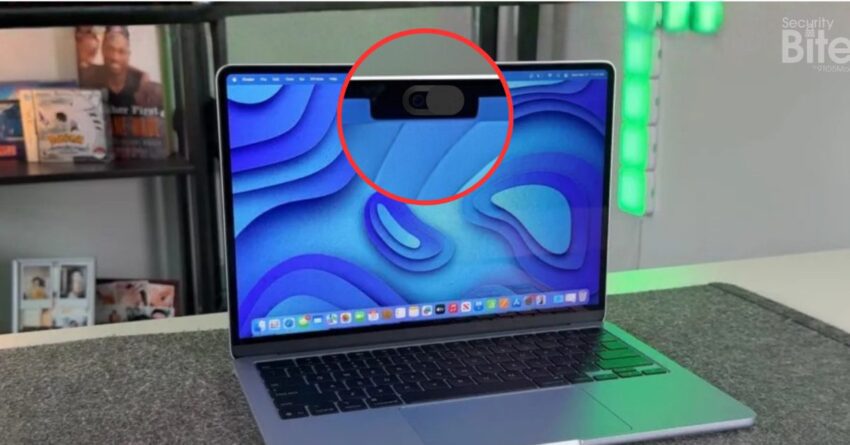
security bite a note on camera covers In 2026, the debate surrounding the use of webcam covers has taken a new turn as experts weigh the actual benefits and risks associated with these devices.
security bite a note on camera covers
The Rise of Webcam Covers
Plastic webcam covers, particularly the sliding variety, surged in popularity during the 2010s. This trend was largely driven by growing concerns over privacy and security, particularly as high-profile data breaches and unauthorized access incidents made headlines. Users sought low-tech solutions to safeguard their devices from potential hackers who could exploit vulnerabilities to eavesdrop on unsuspecting individuals.
The initial rationale behind using webcam covers was straightforward: by physically obstructing the camera, users believed they could prevent unauthorized access and protect their privacy. This perception was bolstered by numerous reports of hackers gaining access to webcams, leading to a heightened sense of vulnerability among consumers. As a result, many individuals and organizations began to adopt webcam covers as a precautionary measure.
Understanding the Privacy Concerns
Privacy concerns surrounding webcams are not unfounded. In an era where digital surveillance is increasingly prevalent, the fear of being watched without consent has become a significant issue. High-profile cases, such as the revelations from Edward Snowden regarding government surveillance programs, have only intensified public anxiety about privacy in the digital age.
Moreover, the rise of remote work during the COVID-19 pandemic further amplified these concerns. As employees transitioned to virtual meetings, the use of webcams became ubiquitous, leading many to question the security of their devices. The idea that a simple plastic cover could provide a layer of protection was appealing, especially for those who felt exposed in their own homes.
Apple’s Warnings and Changing Perspectives
By 2020, Apple began to issue warnings regarding the use of webcam covers, suggesting that they may not be as beneficial as users believed. The company highlighted several key points that challenged the effectiveness of these covers in enhancing privacy.
Potential Damage to Devices
One of the most significant concerns raised by Apple was the potential for webcam covers to damage devices, particularly MacBook displays. The sliding covers, while seemingly innocuous, can lead to scratches or other forms of physical damage when applied or removed. This risk is particularly pronounced for users who frequently open and close their laptops, as the cover can create friction against the screen.
Additionally, Apple noted that the use of webcam covers could interfere with certain features, such as True Tone technology. True Tone adjusts the display’s color temperature based on ambient lighting conditions, enhancing the user experience. However, if a webcam cover obstructs the camera, this feature may not function optimally, leading to a subpar visual experience.
Questioning the Effectiveness of Webcam Covers
Beyond the potential for physical damage, experts have begun to question the overall effectiveness of webcam covers in preventing unauthorized access. While the idea of physically blocking the camera may provide a sense of security, it does not address the underlying vulnerabilities that could be exploited by hackers.
Many modern devices come equipped with advanced security features designed to protect against unauthorized access. For instance, operating systems often include built-in security measures that alert users to suspicious activity, such as unauthorized camera access. Furthermore, software updates frequently patch vulnerabilities that could be exploited by malicious actors.
Alternatives to Webcam Covers
Given the concerns associated with webcam covers, it is essential to explore alternative methods for enhancing privacy and security. Users can adopt a multi-faceted approach that combines awareness, software solutions, and best practices.
Software Solutions
One of the most effective ways to enhance privacy is through the use of software solutions. Many operating systems now include privacy settings that allow users to control camera access on a per-application basis. By reviewing and adjusting these settings, users can ensure that only trusted applications have access to their webcams.
Additionally, installing reputable security software can provide an additional layer of protection. These programs often include features that monitor for unauthorized access attempts and alert users to potential threats. Regularly updating software and operating systems is also crucial, as updates often include security patches that address known vulnerabilities.
Physical Security Measures
While webcam covers may not be the best solution, there are other physical security measures that users can consider. For instance, users can simply unplug external webcams when not in use, ensuring that they cannot be accessed remotely. For built-in webcams, users can adopt a more cautious approach by being mindful of their surroundings during video calls and ensuring that sensitive information is not visible on-screen.
Awareness and Education
Perhaps the most critical aspect of enhancing privacy is fostering awareness and education. Users should be informed about the potential risks associated with their devices and the importance of adopting best practices for online security. This includes being cautious about the information shared during video calls and being aware of the potential for phishing attacks that could compromise device security.
Stakeholder Reactions and Industry Trends
The conversation surrounding webcam covers and privacy has elicited varied reactions from stakeholders across the tech industry. Security experts, privacy advocates, and device manufacturers have all weighed in on the issue, contributing to a broader dialogue about digital security in the modern age.
Expert Opinions
Security experts have largely echoed Apple’s warnings regarding webcam covers, emphasizing the importance of addressing underlying vulnerabilities rather than relying on physical barriers. Many experts argue that users should prioritize software solutions and security best practices over low-tech fixes like webcam covers.
Privacy advocates have also expressed concerns about the normalization of surveillance in society. They argue that while webcam covers may provide a temporary sense of security, they do not address the systemic issues related to digital privacy. Advocates call for more robust regulations and policies that protect individuals’ rights in the digital landscape.
Industry Trends
As the conversation around digital privacy continues to evolve, industry trends are shifting toward more comprehensive security solutions. Companies are increasingly investing in advanced security technologies, such as artificial intelligence and machine learning, to enhance device protection. These technologies can help identify and mitigate potential threats in real-time, providing users with a more secure experience.
Moreover, the rise of remote work has prompted organizations to reevaluate their security protocols. Many companies are now implementing stricter policies regarding device usage and access, ensuring that employees are equipped with the tools and knowledge needed to protect their privacy.
Conclusion
As we navigate the complexities of digital privacy in 2026, the debate surrounding webcam covers serves as a reminder of the importance of informed decision-making. While these covers may have gained popularity as a low-tech solution to privacy concerns, their effectiveness is increasingly being called into question.
Instead of relying on physical barriers, users are encouraged to adopt a more holistic approach to security that includes software solutions, awareness, and best practices. By understanding the limitations of webcam covers and prioritizing comprehensive security measures, individuals can better protect their privacy in an increasingly interconnected world.
Source: Original report
Was this helpful?
Explore more: Application Audit & Review More Cybersecurity Tech News
Last Modified: July 4, 2026 at 5:36 pm
13 views