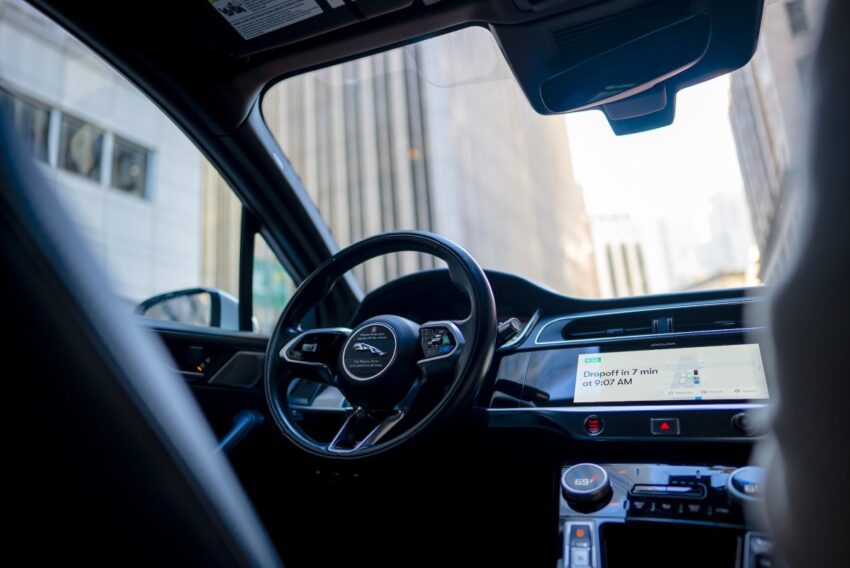
waymo expands pause to four cities as Waymo has announced a suspension of its robotaxi service in four cities, including Atlanta and San Antonio, due to ongoing challenges with its vehicles navigating flooded roads.
waymo expands pause to four cities as
Background on Waymo’s Robotaxi Service
Waymo, a subsidiary of Alphabet Inc., has been at the forefront of autonomous vehicle technology since its inception. The company began testing its self-driving cars in 2009 and has since made significant strides in developing a commercially viable robotaxi service. Initially launched in Phoenix, Arizona, Waymo’s robotaxi service has expanded to various cities, aiming to provide a safe and efficient transportation alternative.
The service utilizes a fleet of autonomous vehicles equipped with advanced sensors and artificial intelligence to navigate urban environments without human intervention. Waymo’s mission is to enhance mobility while reducing traffic accidents and emissions. However, the complexities of real-world driving conditions, including adverse weather, pose significant challenges to the technology.
Recent Developments: Suspension of Services
As of May 2026, Waymo has expanded its service suspension to include Atlanta and San Antonio, joining the previously affected cities of San Francisco and Austin. This decision comes in response to a series of incidents where Waymo’s robotaxis have driven into flooded areas, raising safety concerns for both passengers and pedestrians.
Reasons for the Suspension
The primary reason for the suspension is the vehicles’ inability to accurately assess and respond to flooded road conditions. Heavy rainfall and flooding can create hazardous driving situations, and autonomous vehicles rely heavily on sensor data to navigate. In situations where visibility is compromised or road conditions change rapidly, the technology can struggle to make safe decisions.
Waymo’s decision to pause operations reflects a commitment to safety. The company has stated that it will conduct a thorough review of its systems and algorithms to ensure that its vehicles can effectively handle adverse weather conditions in the future. This pause is not just a temporary measure; it signifies a broader recognition of the limitations of current autonomous technology in extreme weather scenarios.
Stakeholder Reactions
The suspension has elicited varied responses from stakeholders, including city officials, residents, and industry experts. Many city officials have expressed support for Waymo’s decision, emphasizing the importance of prioritizing safety over service availability. “We appreciate Waymo’s proactive approach in addressing these safety concerns,” said a spokesperson from the Atlanta city council.
Residents, however, have mixed feelings. While some commend the company for prioritizing safety, others express frustration over the disruption of service. “I relied on Waymo for my daily commute, and now I’m left without options,” said a San Antonio resident. This sentiment highlights the growing dependence on autonomous services in urban areas, where traditional transportation options may be limited.
Industry Perspectives
Industry experts have weighed in on the implications of Waymo’s suspension. Some view it as a necessary step in the evolution of autonomous technology. “This is a wake-up call for the entire industry,” noted an analyst from a leading automotive research firm. “It underscores the need for robust systems that can handle a variety of environmental conditions.” Experts suggest that the incident may prompt other autonomous vehicle companies to reevaluate their own systems and protocols in light of similar challenges.
Implications for the Future of Autonomous Vehicles
Waymo’s decision to pause its robotaxi service raises important questions about the future of autonomous vehicles, particularly in relation to safety and regulatory standards. As the technology continues to evolve, ensuring that vehicles can operate safely in all conditions will be paramount. This incident may lead to increased scrutiny from regulatory bodies, as they seek to establish guidelines that govern the operation of autonomous vehicles in adverse weather.
Technological Challenges
The challenges faced by Waymo’s vehicles in flooded conditions highlight the limitations of current sensor technology. While advancements have been made in LiDAR, radar, and camera systems, these technologies may not be sufficient to navigate extreme weather scenarios. The reliance on high-definition maps, which may not account for sudden changes in road conditions, further complicates the situation.
To address these challenges, companies may need to invest in more sophisticated sensor systems that can better interpret environmental data. Additionally, machine learning algorithms may require further refinement to improve decision-making in complex scenarios. The need for more robust testing protocols is also evident, as real-world conditions can differ significantly from controlled testing environments.
Waymo’s Path Forward
In light of the current suspension, Waymo is likely to focus on several key areas to enhance its service. First, the company will need to conduct a comprehensive review of its algorithms and sensor systems. This may involve collaboration with experts in meteorology and environmental science to better understand how weather impacts driving conditions.
Second, Waymo may explore partnerships with local governments and transportation agencies to develop better infrastructure for autonomous vehicles. This could include improved signage, real-time weather updates, and enhanced communication between vehicles and traffic management systems.
Community Engagement
Engaging with the community will also be crucial as Waymo navigates this challenging period. The company may need to increase transparency regarding its operations and safety measures. Hosting community forums and providing updates on progress could help rebuild trust among residents who rely on its services.
Furthermore, Waymo may consider offering alternative transportation solutions during the suspension period. This could involve partnerships with local transit agencies or the provision of shuttle services to ensure that residents have access to reliable transportation options.
Conclusion
Waymo’s suspension of its robotaxi service in Atlanta, San Antonio, San Francisco, and Austin underscores the complexities of deploying autonomous vehicles in real-world conditions. As the company works to address the challenges posed by flooding and adverse weather, it must prioritize safety while also considering the needs of the communities it serves. The lessons learned from this experience may not only shape Waymo’s future operations but also influence the broader landscape of autonomous vehicle technology.
Source: Original report
Was this helpful?
Explore more: AI Automation Services More AI & Automation Tech News
Last Modified: May 22, 2026 at 2:36 pm
21 views