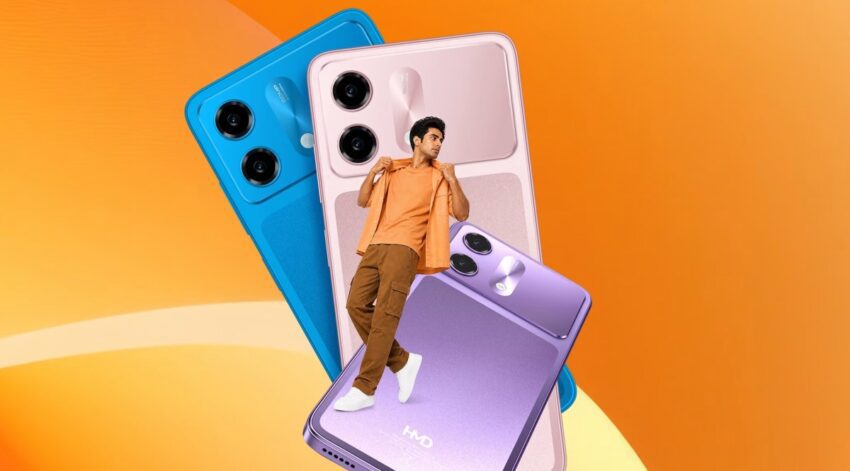
finnish phone-maker hmd bundles indian ai chatbot HMD Global, the Finnish phone manufacturer, is making significant strides in the Indian market by integrating an AI chatbot application into its latest smartphone offering.
finnish phone-maker hmd bundles indian ai chatbot
Introduction to HMD Global’s Strategy
HMD Global, known for its commitment to producing Nokia-branded smartphones, has recently announced a strategic move aimed at enhancing its foothold in the Indian market. This initiative involves pre-loading the Indus chatbot app, developed by Sarvam, onto its new smartphone models. The Indus chatbot is notable for its support of 22 Indic languages, making it a valuable tool for a diverse user base in India.
The Importance of Localized Technology
In a country as linguistically diverse as India, the ability to communicate in local languages is crucial for technology adoption. According to recent statistics, over 70% of Indian smartphone users prefer using their devices in their native languages. This trend underscores the necessity for tech companies to localize their offerings to cater to the unique needs of Indian consumers.
By incorporating the Indus chatbot, HMD is not only enhancing user experience but also aligning itself with the cultural and linguistic preferences of its target audience. This move is expected to resonate well with Indian consumers, who often seek products that reflect their linguistic identity.
Features of the Indus Chatbot
The Indus chatbot is designed to facilitate seamless communication across various platforms and services. Here are some of its key features:
- Multilingual Support: The chatbot supports 22 Indic languages, including Hindi, Bengali, Tamil, and Telugu, among others. This extensive language support allows users from different regions to interact with the chatbot in their preferred language.
- User-Friendly Interface: The chatbot is designed to be intuitive, making it accessible even for users who may not be tech-savvy. Its simple interface encourages engagement and reduces the learning curve associated with new technology.
- AI-Powered Responses: Utilizing advanced artificial intelligence, the Indus chatbot can provide accurate and contextually relevant responses, enhancing the overall user experience.
- Integration with Local Services: The chatbot can connect users with various local services, including e-commerce platforms, customer support, and more, making it a versatile tool for everyday use.
Market Implications
The introduction of the Indus chatbot on HMD’s smartphones could have far-reaching implications for both the company and the Indian smartphone market. As competition intensifies, companies are increasingly looking for innovative ways to differentiate their products. HMD’s strategy may set a precedent for other manufacturers to follow suit.
Potential Impact on Sales
By offering a smartphone that caters specifically to the linguistic needs of Indian consumers, HMD may see a boost in sales. The Indian smartphone market is characterized by a wide range of options, and consumers often gravitate towards devices that offer unique features tailored to their needs. The integration of the Indus chatbot could position HMD as a leader in localized technology, appealing to a broader audience.
Challenges Ahead
While the integration of the Indus chatbot presents numerous opportunities, HMD may also face challenges. The smartphone market in India is highly competitive, with established players like Xiaomi, Samsung, and OnePlus dominating the landscape. These companies have already made significant investments in localized technology and marketing strategies.
Furthermore, HMD must ensure that the chatbot functions effectively across all supported languages. Any shortcomings in performance or user experience could lead to negative perceptions among consumers, potentially impacting sales. Continuous updates and improvements will be essential to maintain user satisfaction.
Stakeholder Reactions
The announcement has garnered attention from various stakeholders, including industry analysts, consumers, and competitors. Analysts have praised HMD’s move as a strategic step towards capturing a larger share of the Indian market. According to industry expert Rajesh Kumar, “HMD’s decision to pre-load the Indus chatbot is a smart move that aligns with the growing demand for localized technology in India.”
Consumers have also expressed enthusiasm about the integration of the Indus chatbot. Many users have taken to social media platforms to share their excitement, highlighting the importance of having technology that speaks their language. This positive reception could translate into increased brand loyalty for HMD.
Competitor Responses
Competitors have taken note of HMD’s strategy, with some already considering similar initiatives. Companies like Xiaomi and Samsung have previously launched localized features in their devices, and HMD’s latest move may prompt them to enhance their offerings further. The competitive landscape could lead to a race among manufacturers to provide the most user-friendly and culturally relevant technology.
Future Prospects for HMD Global
Looking ahead, HMD Global’s integration of the Indus chatbot could pave the way for further innovations in localized technology. As the Indian market continues to evolve, the demand for products that cater to diverse linguistic and cultural needs will likely grow. HMD’s proactive approach may position the company as a frontrunner in this space.
Expanding Product Lines
In addition to smartphones, HMD may explore opportunities to integrate the Indus chatbot into other devices, such as tablets and smart home products. This expansion could further solidify its presence in the Indian market and enhance brand recognition.
Collaboration with Local Developers
To maintain a competitive edge, HMD could consider collaborating with local developers and tech startups. By leveraging local expertise, the company can ensure that its products remain relevant and appealing to Indian consumers. Such partnerships could also foster innovation and lead to the development of new features that cater to the unique needs of the market.
Conclusion
HMD Global’s decision to pre-load the Indus chatbot onto its new smartphones marks a significant step in its efforts to penetrate the Indian market. By prioritizing localization and user experience, the company is positioning itself as a leader in the competitive smartphone landscape. As the demand for technology that resonates with local cultures continues to grow, HMD’s strategy may serve as a blueprint for success in emerging markets.
In summary, the integration of the Indus chatbot not only enhances the functionality of HMD’s smartphones but also reflects a deeper understanding of the Indian consumer. As the company navigates the challenges and opportunities ahead, its commitment to localized technology will be crucial in shaping its future in India.
Source: Original report
Was this helpful?
Explore more: Mobile App Development More Mobile Technology Tech News
Last Modified: May 22, 2026 at 2:36 pm
10 views