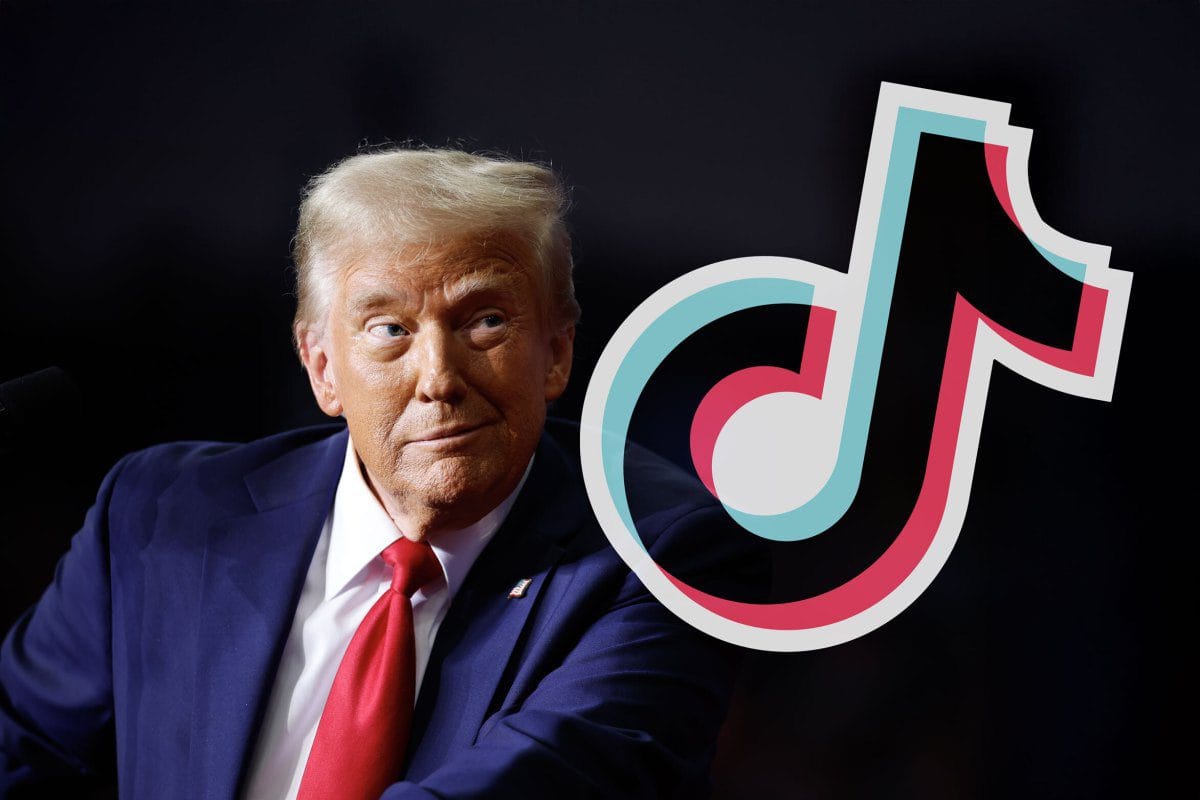
trump signs saving tiktok order to start President Donald Trump has signed an executive order recognizing the framework of a deal between ByteDance and the US that would satisfy the TikTok divest-or-ban law.
trump signs saving tiktok order to start
Overview of the Executive Order
The executive order signed by President Trump marks a significant development in the ongoing saga surrounding TikTok, a social media platform that has faced intense scrutiny over its ties to China. The order acknowledges a deal that values TikTok’s US operations at approximately $14 billion, ensuring that these operations will be under the control of American companies. This move is seen as a response to national security concerns that have been raised about the app’s potential to be used for surveillance or propaganda by the Chinese government.
Details of the Agreement
Under the terms of the deal, TikTok will be “majority-owned and controlled” by US-based companies. This arrangement is designed to alleviate fears that the Chinese government could access American users’ data. The executive order stipulates that TikTok’s US operations will establish a new board of directors, which will be responsible for adhering to regulations aimed at protecting American data and national security. Furthermore, TikTok’s recommendation algorithm, code, and content moderation system will come under the purview of its new American owners.
According to CNBC’s David Faber, the deal will see Oracle, Silver Lake, and MGX—an investment firm based in Abu Dhabi—acquire a 45 percent stake in TikTok’s US operations. Meanwhile, investors in ByteDance, TikTok’s China-based parent company, will retain a 35 percent stake. This arrangement reflects a compromise that aims to balance the interests of both American and Chinese stakeholders while addressing the US government’s concerns.
Trump’s Engagement with Chinese Leadership
During a briefing, President Trump mentioned his conversation with Chinese President Xi Jinping regarding the deal. “I spoke with President Xi, we had a good talk,” Trump stated. “I told him what we were doing, and he said, ‘Go ahead with it.’” This interaction underscores the diplomatic dimensions of the negotiations, as both nations navigate complex economic and political landscapes.
Implications for American Users
The implications of this deal for American users are significant. By placing TikTok’s operations under the control of US companies, the administration aims to enhance data security and mitigate the risks associated with foreign ownership. The establishment of a new board of directors will likely lead to more stringent oversight and governance, which could foster greater trust among users concerned about privacy and data protection.
Moreover, the control of TikTok’s algorithm and content moderation by US entities could influence the type of content that is promoted on the platform. When asked whether TikTok’s algorithm would favor MAGA-related content, Trump responded, “If I could make it 100 percent MAGA, I would. But it’s not going to work out that way, unfortunately.” He added that “every group, every philosophy, every policy will be treated fairly.” This statement reflects the administration’s intent to maintain a balanced approach to content moderation, despite the political implications of the platform’s influence.
Timeline of Events Leading to the Executive Order
The journey to this executive order has been marked by a series of deadlines and extensions. Since taking office, Trump has repeatedly pushed back the deadline for TikTok to divest from ByteDance as negotiations continued. Just last Friday, he indicated that progress had been made in reaching an agreement with China. White House Press Secretary Karoline Leavitt later affirmed that the administration is “100% confident that a deal is done.”
On September 15, one day before the latest enforcement deadline for TikTok’s ban, Trump announced a fourth extension. This decision came amid ongoing discussions between US and Chinese officials. Treasury Secretary Scott Bessent hinted at a potential agreement, stating that the two nations had reached a “framework” deal. Trump also noted that significant companies were prepared to invest in TikTok’s US operations, which could further solidify the platform’s future in the American market.
Bipartisan Support for TikTok Regulation
The push for regulating TikTok has garnered bipartisan support, particularly in light of national security concerns. Trump was the first to attempt a TikTok ban in 2020, a move that was met with both support and criticism. The issue gained renewed attention under President Biden, culminating in the establishment of a divest-or-ban law set for 2024. Critics of TikTok have argued that the app poses a significant risk, as it could potentially be exploited for surveillance or propaganda purposes by the Chinese government. Many lawmakers have insisted that anything short of a full sale would be inadequate in addressing these concerns.
Trump’s Changing Stance on TikTok
Interestingly, Trump’s stance on TikTok has evolved over time. Initially, he was a strong advocate for a complete ban, citing national security risks. However, as negotiations progressed, his position softened. This change may be attributed, in part, to his popularity on the app and the potential backlash he could face from young voters in the upcoming 2024 presidential election. In a statement made in January 2025, Trump questioned the necessity of the Chinese government spying on young people using the app: “Is it that important for China to be spying on young people? On young kids watching crazy videos?”
Reactions from Stakeholders
The reactions to the executive order and the framework deal have been varied. Supporters of the agreement argue that it represents a pragmatic solution to a complex issue, balancing national security concerns with the economic interests of American companies and investors. They believe that the involvement of US firms in TikTok’s operations will enhance oversight and accountability.
Conversely, critics remain skeptical about the effectiveness of the deal in addressing the underlying issues. Some experts argue that merely restructuring ownership does not eliminate the potential risks associated with data privacy and security. They contend that without stringent regulations and oversight, the concerns surrounding TikTok could persist.
Looking Ahead: The Future of TikTok in the US
As the situation unfolds, the future of TikTok in the US remains uncertain. The successful implementation of the executive order and the framework deal will depend on various factors, including regulatory compliance and the ability of the new board to effectively manage operations. Additionally, the political landscape will play a crucial role in shaping TikTok’s trajectory, especially as the 2024 presidential election approaches.
Moreover, the broader implications of this deal extend beyond TikTok itself. It highlights the increasing scrutiny of foreign-owned technology companies operating in the US and raises questions about data privacy, national security, and the influence of social media platforms on American society. As lawmakers continue to grapple with these issues, the TikTok case may serve as a precedent for future regulatory actions involving other foreign-owned apps and services.
Conclusion
In summary, President Trump’s executive order recognizing the framework of a deal between ByteDance and US companies represents a pivotal moment in the ongoing debate over TikTok’s future in America. While the deal aims to address national security concerns and protect American users’ data, it also reflects the complexities of navigating international relations and domestic politics. As stakeholders continue to react and adapt to this evolving landscape, the implications for TikTok and similar platforms will be closely monitored in the coming months.
Source: Original report
Was this helpful?
Explore more: More Big Tech & Platforms Tech News Blog
Last Modified: September 26, 2025 at 3:39 am
7 views