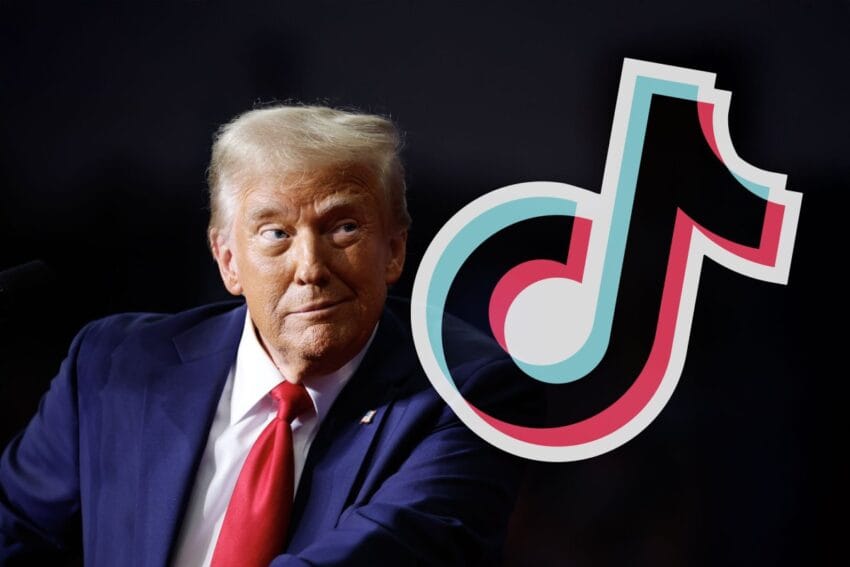
trump signs executive order to facilitate tiktok Former President Donald Trump has signed an executive order aimed at facilitating a deal for TikTok, a popular social media platform, amid ongoing concerns regarding data privacy and national security.
trump signs executive order to facilitate tiktok
Background on TikTok’s Controversies
TikTok, owned by the Chinese company ByteDance, has faced scrutiny from U.S. lawmakers and regulators for its data handling practices and potential ties to the Chinese government. Concerns have been raised about the possibility of user data being accessed by the Chinese Communist Party, which has led to calls for a ban on the app in the United States. The platform has garnered immense popularity, particularly among younger users, with millions of Americans engaging with its short-form video content.
The scrutiny intensified in 2020 when Trump attempted to force a sale of TikTok’s U.S. operations to an American company, citing national security risks. Although the deal did not materialize at that time, the issue has remained a focal point in discussions about technology and foreign influence in the U.S.
The Executive Order
On September 25, 2025, Trump signed an executive order that aims to streamline the process for a potential acquisition of TikTok’s U.S. operations. The order is designed to address the regulatory hurdles that have previously stalled negotiations and to provide a clearer pathway for an American company to take over the platform.
Vice President JD Vance commented on the executive order, stating that the deal would value TikTok’s U.S. operations at “around $14 billion.” This valuation reflects the platform’s significant user base and its potential for monetization through advertising and partnerships.
Implications of the Deal
The executive order has several implications for both TikTok and the broader technology landscape in the United States. By facilitating a sale, the order aims to alleviate national security concerns while allowing TikTok to continue operating in the U.S. under American ownership. This could set a precedent for how foreign-owned technology companies are treated in the future, particularly those that have faced similar scrutiny.
Moreover, the deal could have significant financial implications for ByteDance. Selling TikTok’s U.S. operations would allow the company to recoup some of its investments while also potentially alleviating pressure from U.S. regulators. However, the sale would also mean relinquishing control over a platform that has become a cultural phenomenon.
Stakeholder Reactions
The announcement of the executive order has elicited a range of reactions from stakeholders across the political and business spectrum. Supporters of the deal argue that it represents a necessary step toward safeguarding American data and ensuring that U.S. users can continue to enjoy the platform without fear of foreign interference.
Conversely, critics express concerns that the deal may not fully address the underlying issues related to data privacy and security. Some lawmakers have called for more stringent regulations on social media platforms, regardless of their ownership. They argue that simply transferring ownership from a foreign entity to a domestic one does not inherently resolve the risks associated with data collection and usage.
Public Opinion
Public sentiment regarding TikTok is mixed. While many users appreciate the platform for its entertainment value and creative opportunities, others share concerns about data privacy. A recent survey indicated that a significant portion of TikTok users are aware of the controversies surrounding the app but continue to use it nonetheless. This highlights a disconnect between user enjoyment and apprehension about data security.
Future of TikTok in the U.S.
The future of TikTok in the U.S. remains uncertain, even with the executive order in place. The deal’s success will depend on various factors, including regulatory approval and negotiations between ByteDance and potential American buyers. Industry analysts suggest that companies like Microsoft or Oracle could be potential candidates for acquiring TikTok’s U.S. operations, given their previous interest in the platform.
Moreover, the Biden administration’s stance on TikTok and foreign technology companies may also influence the outcome of the deal. The current administration has indicated a willingness to engage in discussions about data privacy and security but has not explicitly endorsed a sale of TikTok. This could lead to a prolonged negotiation process, as both sides seek to address their respective concerns.
Technological Landscape and National Security
The TikTok situation is emblematic of a broader trend in the technology landscape, where national security concerns are increasingly intersecting with business interests. As technology continues to evolve, the U.S. government faces the challenge of balancing innovation with the need to protect citizens’ data. The outcome of the TikTok deal may set important precedents for future transactions involving foreign-owned technology companies.
Furthermore, the executive order may prompt other countries to reevaluate their own policies regarding foreign technology firms. As nations grapple with similar concerns about data privacy and security, the TikTok case could serve as a reference point for how to navigate these complex issues.
Conclusion
The signing of the executive order by Trump marks a significant development in the ongoing saga surrounding TikTok’s operations in the United States. With a potential valuation of $14 billion for TikTok’s U.S. operations, the deal represents not only a financial opportunity but also a crucial step toward addressing national security concerns. As stakeholders continue to react and the negotiations unfold, the future of TikTok in the U.S. remains a topic of considerable interest and debate.
Ultimately, the outcome of this deal could have lasting implications for the technology industry, data privacy regulations, and the relationship between the U.S. and foreign technology firms. As the situation develops, it will be essential to monitor how these factors interact and influence the broader landscape of technology and national security.
Source: Original report
Was this helpful?
Explore more: More Big Tech & Platforms Tech News Blog
Last Modified: September 26, 2025 at 3:41 am
10 views